
In an era where open-plan living has become increasingly popular, understanding how to create distinct zones within a shared space is essential for functionality and style. Using furniture to delineate areas not only enhances the aesthetic appeal of your home but also promotes a sense of organization and comfort. Whether you’re looking to define a living room, dining area, or workspace, effective furniture styling can help transform your open-plan layout into a harmonious environment that feels both spacious and cohesive. Let’s explore some innovative design concepts that will inspire you to utilize furniture for creating inviting and well-defined zones.
Design 1: Functional Furniture Layouts
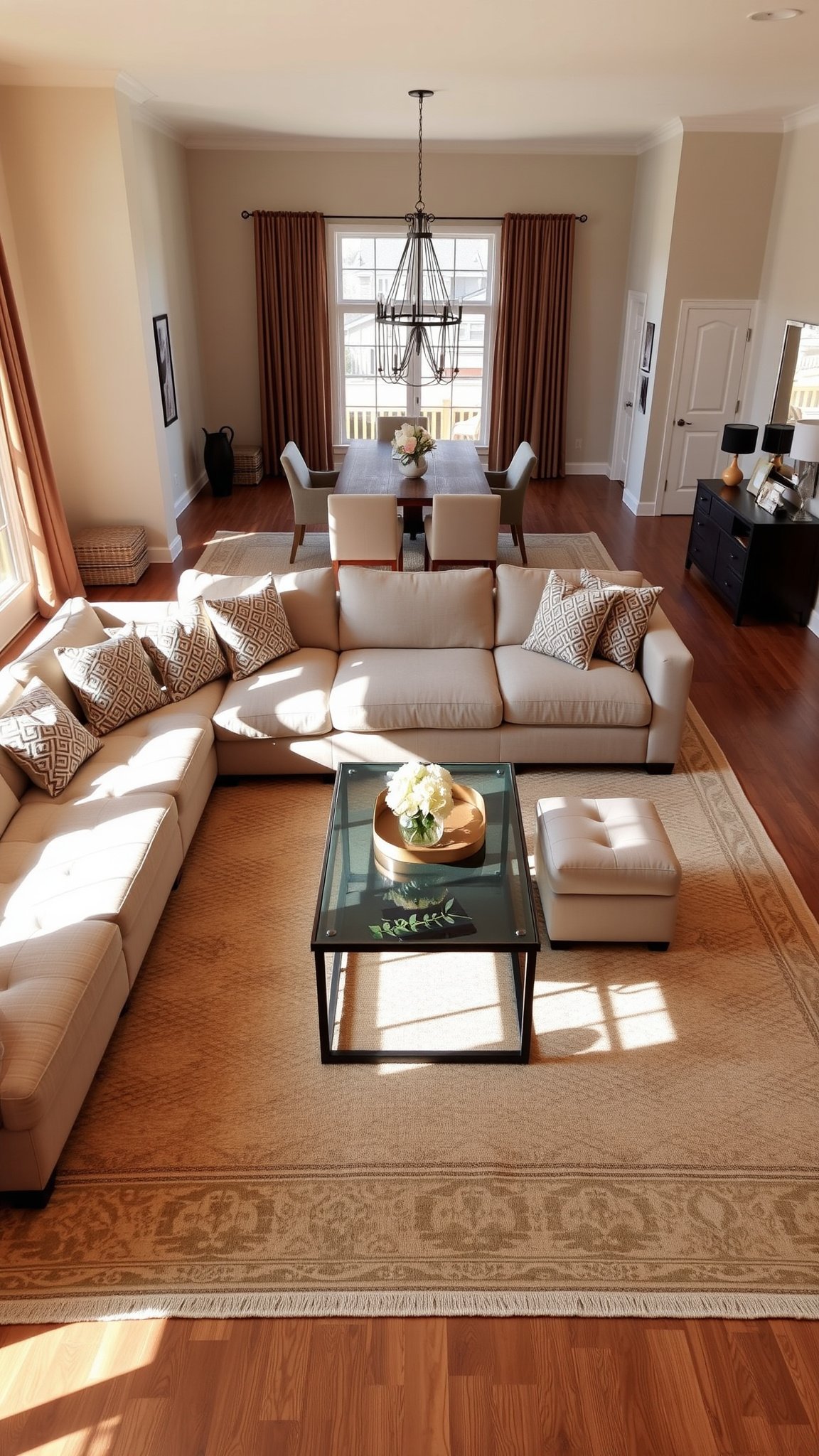
When it comes to creating open-plan zones, the arrangement of your furniture plays a crucial role. Start by identifying the different activities that will occur in each area, such as lounging, dining, or working. For instance, use a large sectional sofa to anchor the living area while positioning a coffee table in front to create an inviting conversation space. Consider placing a console table behind the sofa to subtly separate it from the dining area, maintaining an open feel while providing functional storage.
Key Elements
Incorporate multi-functional pieces, like ottomans that can serve as both seating and storage. A large area rug can also help define the living zone, visually separating it from the dining space without the need for walls. By carefully selecting and arranging your furniture, you can achieve a fluid layout that encourages interaction while delineating each area.
Design 2: Use of Color and Textiles
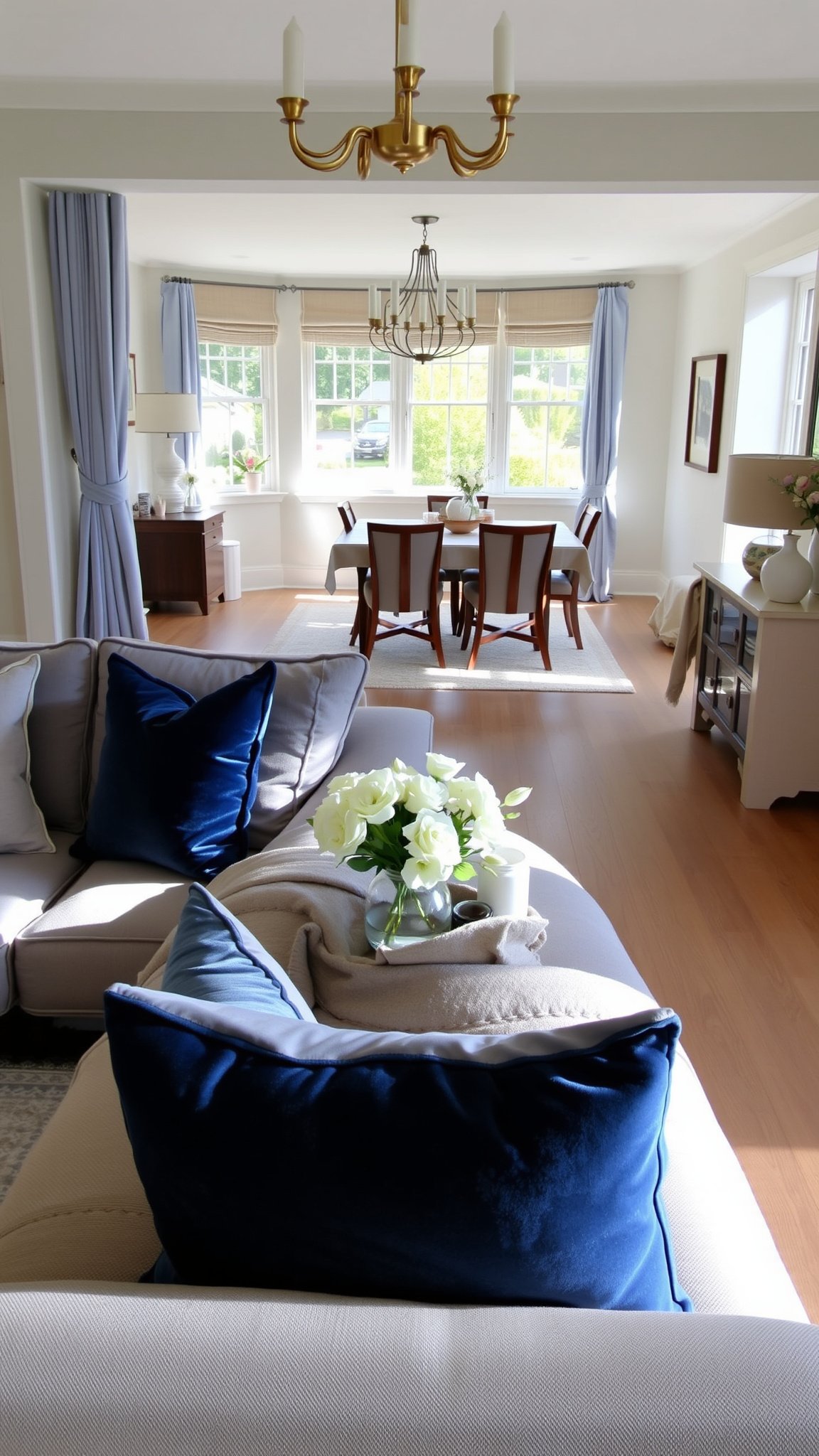
Color and textiles are powerful tools for creating distinct zones in an open-plan space. By employing different color palettes or patterns for various areas, you can establish a visual boundary without physical barriers. For example, the living room can feature soft blues and greys, while the dining area incorporates warm earth tones. This subtle shift in color will guide the eye and create a sense of separation.
Layered Textiles
Utilizing textiles like throw pillows, curtains, and area rugs can enhance the defined zones. In the living area, opt for cozy fabrics like velvet or chenille, while the dining space might benefit from more durable materials, such as linen or cotton. Layering textiles not only adds depth to your design but also reinforces the unique character of each zone.
Design 3: Creative Use of Room Dividers
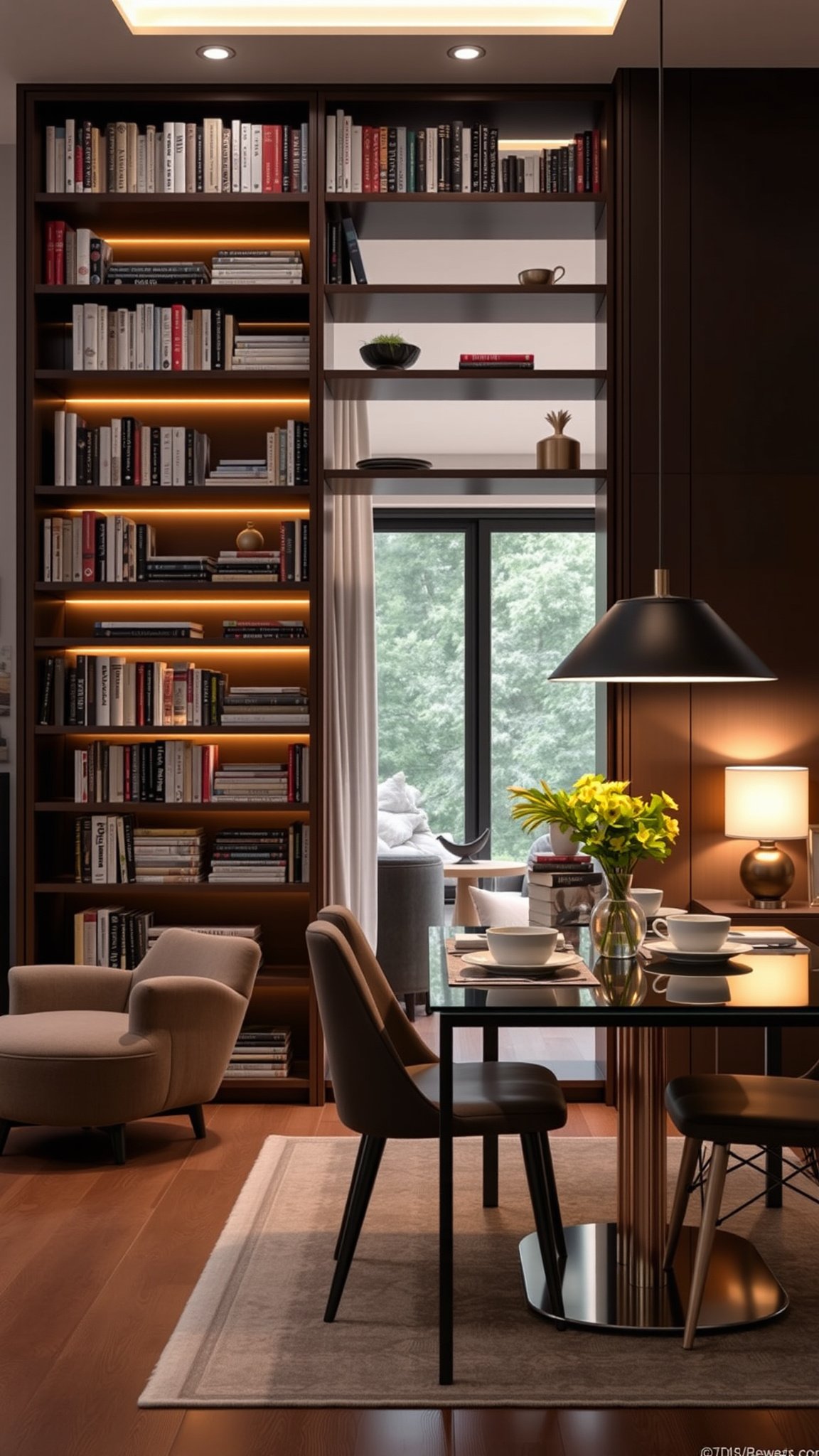
Room dividers are a fantastic way to create open-plan zones without sacrificing the airy feel of the space. Furniture such as bookshelves, open cabinets, or even strategically placed armchairs can act as partitions. For instance, a tall bookshelf filled with books and decorative items can separate the living area from the dining area while adding character and functionality.
Flexible Solutions
Consider using a folding screen or a decorative curtain that can be drawn when privacy is needed. This allows for versatility, enabling you to adapt the space based on your needs. By incorporating dividers that complement your overall decor, you can maintain a cohesive look while effectively segmenting areas for different activities.
Design 4: Zoning with Lighting
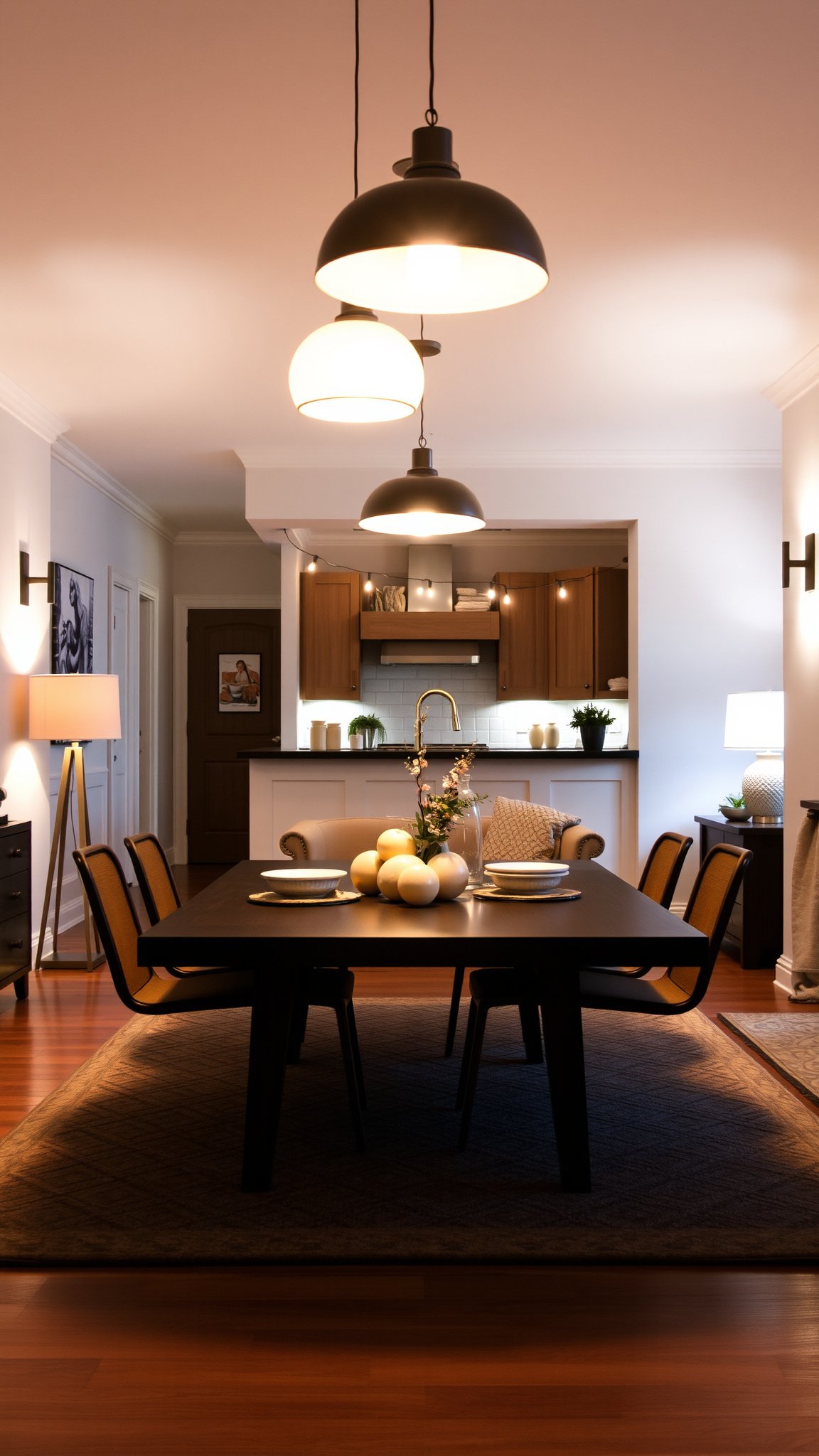
Lighting is an often-overlooked aspect of zone creation in open-plan living. Different lighting solutions can help define areas and set the mood for various activities. Use pendant lights over the dining table to create an intimate dining atmosphere while opting for floor lamps or wall sconces in the living area to provide soft, ambient lighting.
Layered Lighting Techniques
Incorporating multiple layers of light—ambient, task, and accent—will enhance the functionality of each zone. For example, adding under-cabinet lighting in a kitchen nook can provide task-oriented illumination, while string lights can offer a cozy touch in the living area. By varying the lighting, you can create a dynamic and inviting atmosphere throughout the open space.
Design 5: Incorporating Natural Elements
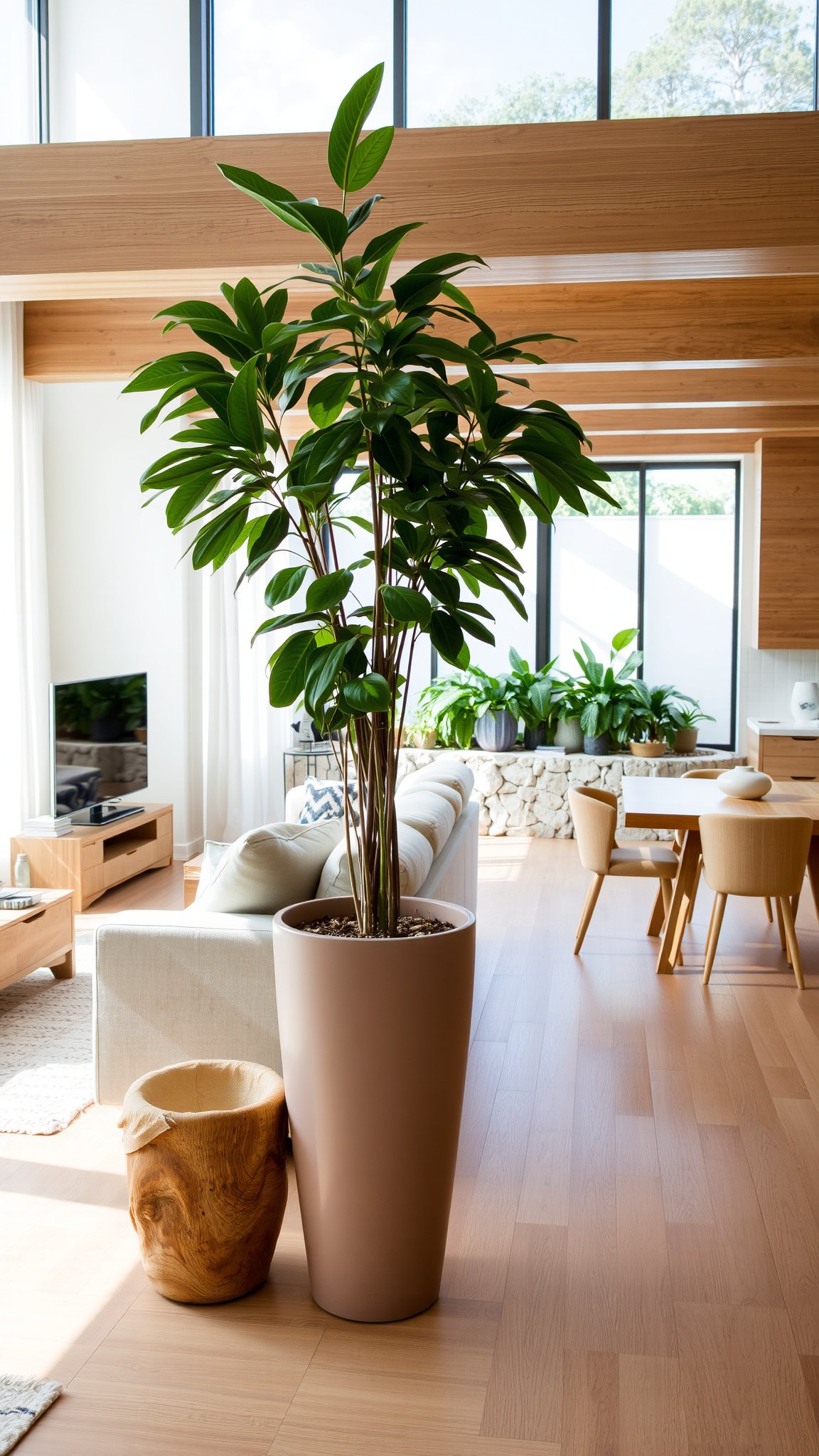
Bringing the outdoors in can effectively delineate zones while adding a refreshing touch to your open-plan layout. Use plants as natural dividers between spaces; for example, a tall potted plant can separate the living area from the dining area without obstructing sightlines. Additionally, using natural materials such as wood and stone can enhance the warmth and cohesion of the entire space.
Biophilic Design Principles
Consider creating a small indoor garden or a green wall to serve as a focal point between the zones. This not only adds visual interest but also improves air quality and overall well-being. By thoughtfully incorporating natural elements, you can create a serene and inviting atmosphere that encourages relaxation and connection.
Design 6: Personal Touches and Decor
Finally, don’t forget to personalize your open-plan zones with decor that reflects your style. Artwork, photographs, and decorative accessories can help define each area while adding character and charm. For example, a gallery wall in the living area can create a focal point, while a beautifully set dining table with unique centerpieces can enhance the dining experience.
Creating a Cohesive Theme
Use decor items that resonate with your overall theme to maintain cohesion throughout the space. Mixing textures, colors, and styles can add depth and interest without feeling cluttered. By curating your decor thoughtfully, you can develop a cohesive narrative that ties all the zones together while celebrating their individuality.
FAQs
What are the best furniture choices for defining zones in an open-plan space?
Choose furniture that serves multiple purposes, such as storage ottomans, console tables, and sectional sofas. These pieces can help define areas while maximizing functionality.
How can lighting help create zones in an open-plan layout?
Using different lighting fixtures like pendants, wall sconces, and floor lamps can help establish distinct zones. Layering lighting types enhances the mood and functionality of each area.
Are room dividers necessary in an open-plan space?
While not strictly necessary, room dividers can enhance privacy and delineate spaces. Options include bookshelves, curtains, or decorative screens, allowing flexibility in your layout.
How can I incorporate personal style into my open-plan design?
Personal touches come from artwork, photographs, and decor items that reflect your tastes. Ensure these elements align with your overall theme for a harmonious look.
Conclusion
Creating open-plan zones using furniture is an art that balances functionality with aesthetic appeal. By thoughtfully arranging furniture, utilizing color and textiles, incorporating dividers, and focusing on lighting, you can transform your living space into a stylish and comfortable sanctuary. Personalizing each area with decor that reflects your unique style will further enhance the beauty and warmth of your home, making it a cherished retreat for you and your loved ones.