
Modern minimalist furniture layouts can transform compact living rooms into stylish and functional spaces. In a world where space is at a premium, achieving a clean, uncluttered look while maximizing utility is essential. By embracing simplicity and focusing on essential pieces, you can create a serene environment that feels both open and inviting. This article explores various layout ideas, offering practical tips and inspiration to help you make the most of your compact living area.
Design 1: Open Space with Multi-Functional Furniture
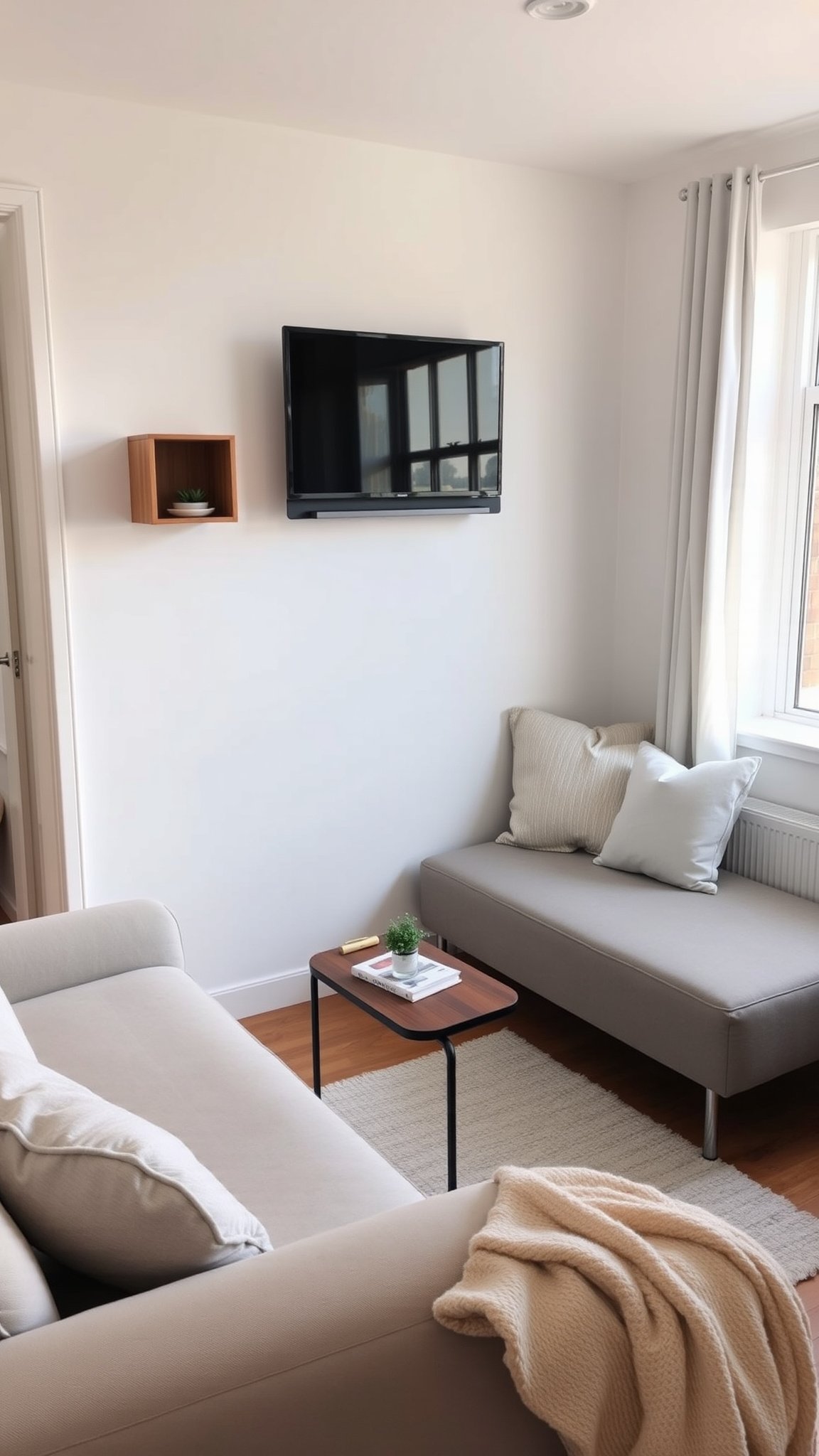
In a compact living room, opting for multi-functional furniture can significantly enhance both aesthetics and practicality. Consider a sleek sofa bed that offers seating by day and transforms into a bed at night. Pair it with a nesting coffee table that can be easily rearranged or tucked away when not in use. This creates an open space that feels larger while still accommodating guests and daily activities.
Furniture Selection
Choose pieces with clean lines and minimal embellishments to maintain a streamlined look. Light-colored fabrics can help reflect light, making the space feel more expansive. Additionally, a wall-mounted shelf can replace bulky bookcases, providing storage without sacrificing floor space.
Design 2: Zoning with Area Rugs
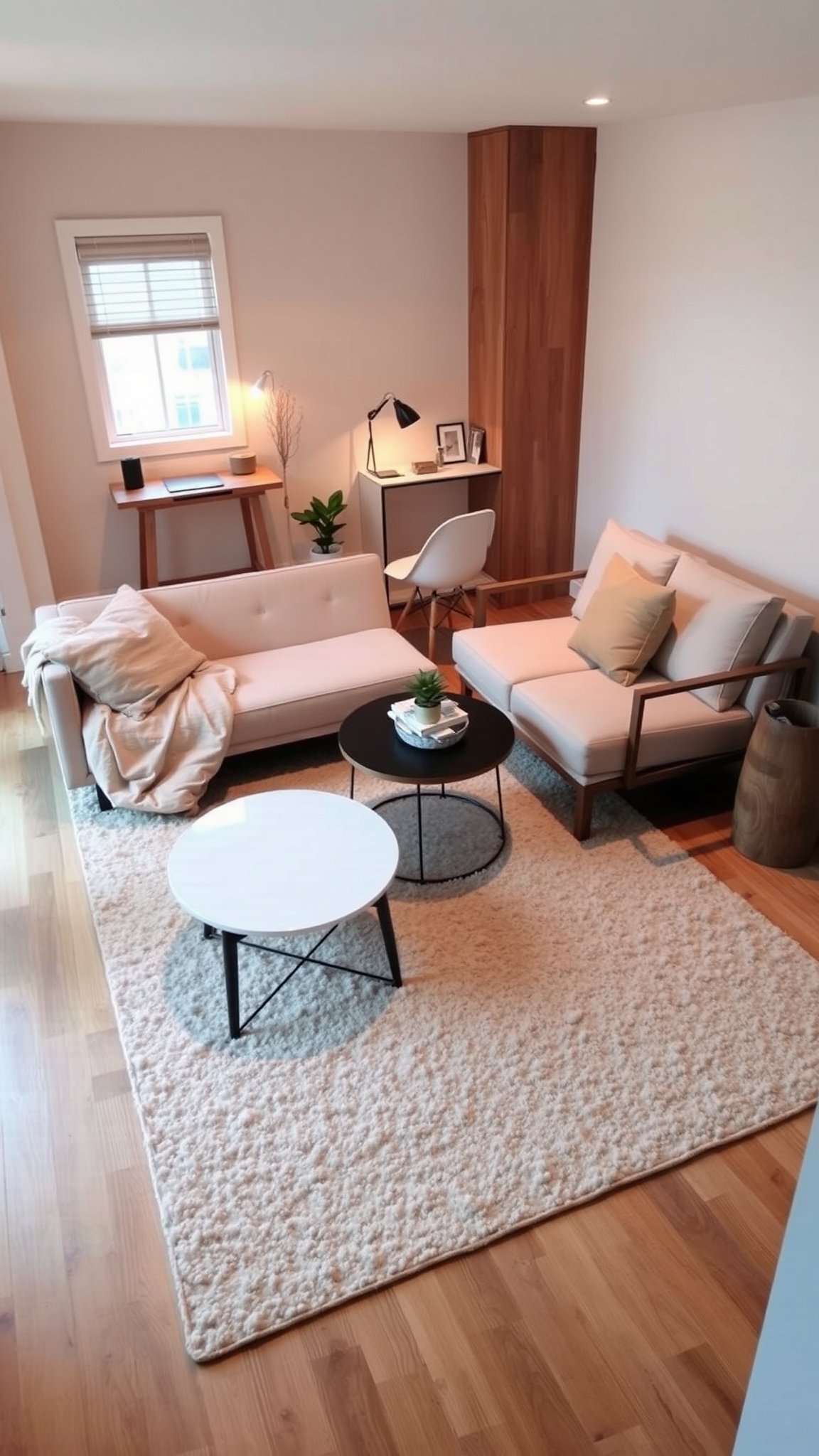
Using area rugs to define different zones within a compact living room can create a sense of organization. By positioning a soft rug under your seating area, you can visually separate it from other spaces, such as a small workspace or reading nook. This not only offers a cozy feel but also enhances the minimalist aesthetic by grounding furniture in a cohesive layout.
Color Palette
Opt for rugs in neutral tones or subtle patterns to keep the overall look light and airy. A well-chosen rug can add warmth and texture without overwhelming the room. Ensure that the rug complements the color palette of your furniture to maintain harmony.
Design 3: Vertical Space Utilization
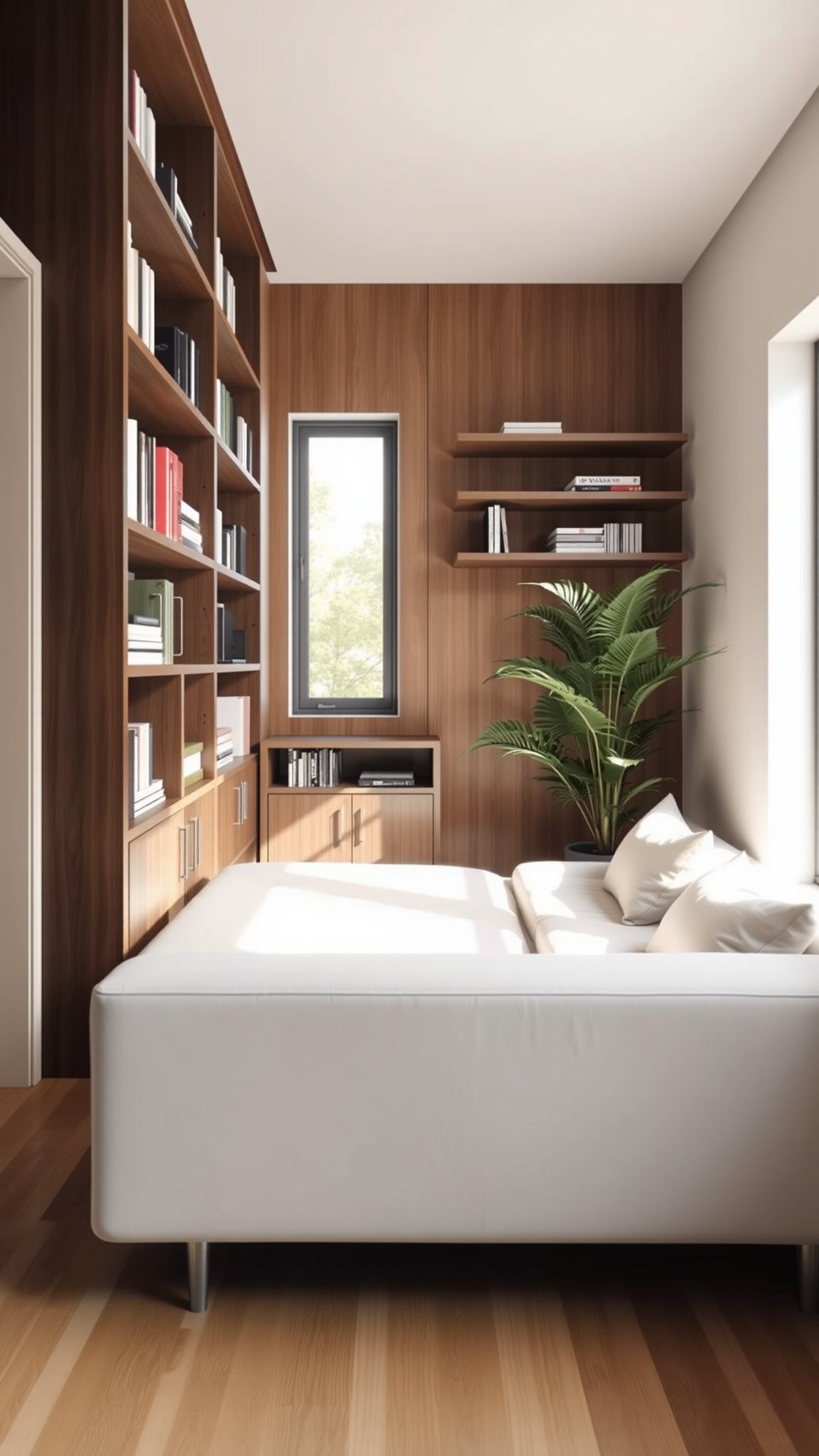
In compact living rooms, utilizing vertical space can be a game changer. Consider tall bookcases or wall-mounted storage that draws the eye upward, giving the illusion of higher ceilings. This approach keeps the floor area open, minimizing clutter and maximizing the sense of space.
Layout Ideas
Arrange furniture to encourage vertical lines. For instance, position a tall plant next to a low-profile sofa to create contrast. This not only adds dimension but also invites movement throughout the space, making it feel more dynamic and less confined.
Design 4: Minimalist Color Schemes
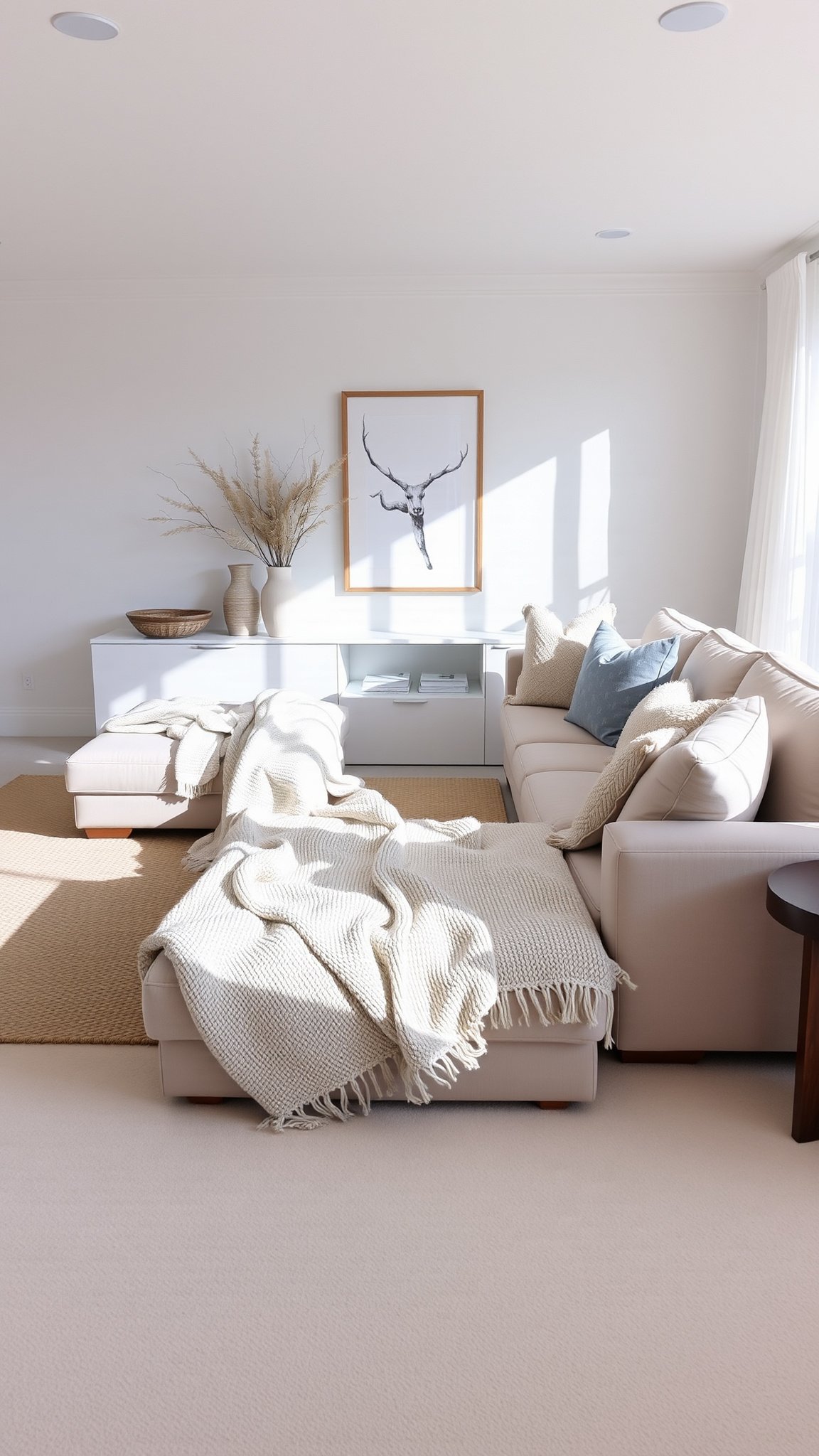
A minimalist color scheme plays a crucial role in making a compact living room feel airy and open. Stick to a palette of two to three colors, focusing on neutral tones like whites, beiges, or soft grays. This will create a cohesive look that feels intentional and serene.
Decor Details
Incorporate texture through textiles, such as a soft throw or decorative cushions, while keeping patterns to a minimum. This adds interest without cluttering the visual space. A few carefully chosen decorative pieces, like a statement vase or artwork, can enhance the minimalist design without overwhelming the senses.
Design 5: Streamlined Layouts with Floating Furniture
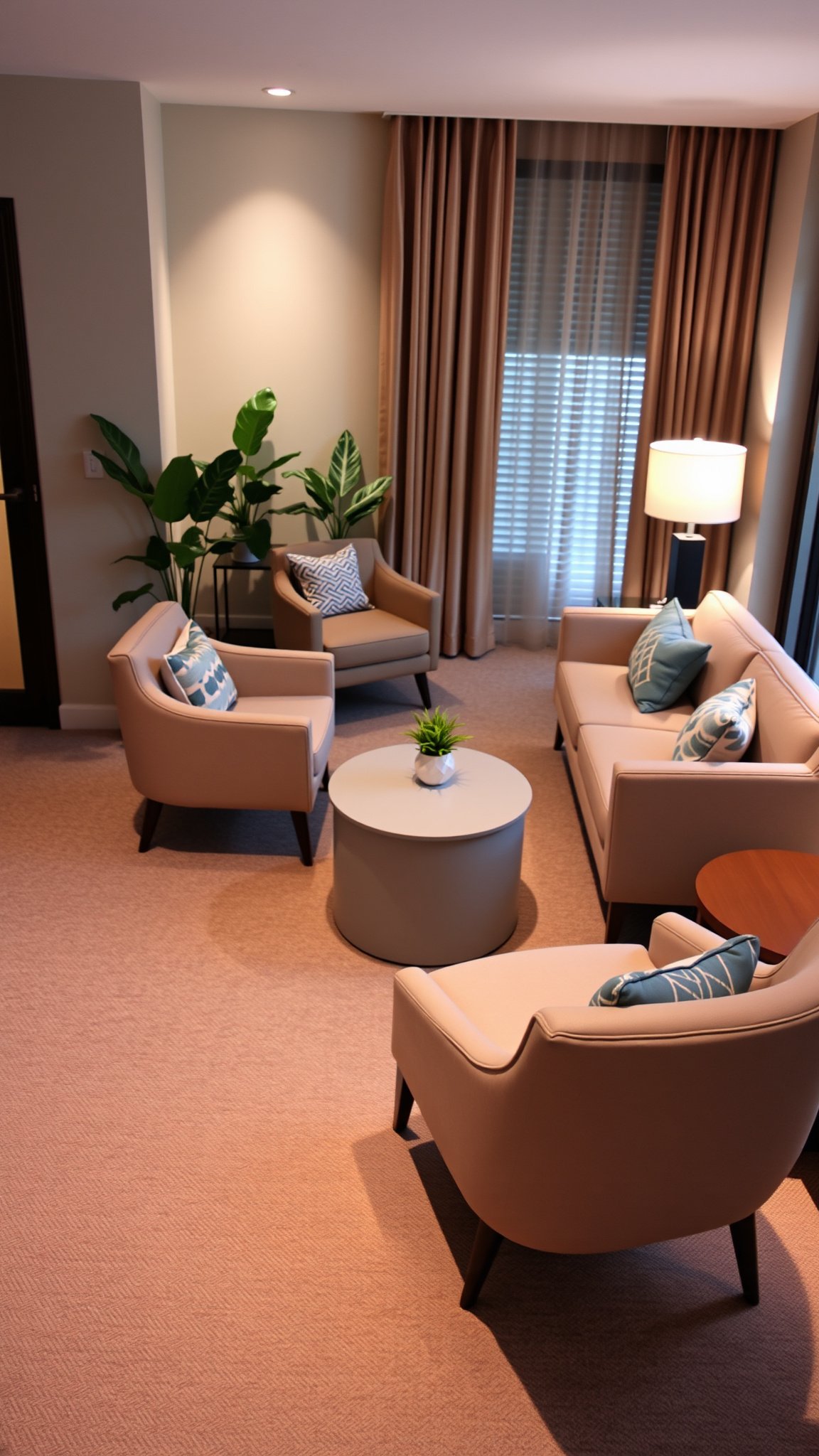
Floating furniture arrangements can be particularly effective in compact living areas. Instead of pushing all furniture against the walls, consider positioning your sofa and chairs away from the walls. This creates a cozy conversation area that feels inviting and intimate.
Seating Arrangements
Pair a compact sectional with a couple of stylish accent chairs to form a U-shape, which encourages interaction. This layout not only maximizes seating but also opens up pathways, making it easier to navigate the room. Ensure that there’s enough space between pieces for easy movement.
Design 6: Minimalist Lighting Solutions
Lighting is essential in compact living rooms, especially when aiming for a minimalist design. Utilize a combination of ambient, task, and accent lighting to create a well-lit yet uncluttered atmosphere. Choose sleek floor lamps or wall sconces that add elegance without taking up valuable floor space.
Lighting Selection
Consider dimmable options to adjust the mood according to the time of day. A statement pendant light can serve as a focal point while keeping the space feeling airy. Opt for fixtures in metallic or matte finishes to maintain a modern aesthetic.
FAQs
What are the key principles of minimalist furniture layout?
The key principles include simplicity, functionality, and an emphasis on open space. Focus on essential furniture pieces and avoid overcrowding the area with unnecessary decor.
How can I make a small living room feel larger?
Use light colors, mirrors, and multi-functional furniture to create an illusion of space. Keep the layout open and opt for streamlined furniture to enhance the airy feel.
What furniture should I avoid in a compact living room?
Avoid bulky or oversized furniture that can overwhelm the space. Instead, choose slim, low-profile options that provide comfort without sacrificing space.
Are there specific color schemes that work best for small living rooms?
Neutral color schemes are ideal for small living rooms as they reflect light and create a sense of openness. Accents in soft pastels or muted tones can add character without overwhelming the space.
Can I mix styles in a minimalist living room?
Yes, you can mix styles, but it’s essential to maintain a cohesive color palette and keep the overall design simple. A few contrasting elements can add interest without compromising the minimalist aesthetic.
Conclusion
Creating a modern minimalist layout in a compact living room involves thoughtful selection of furniture, color schemes, and arrangement strategies. By integrating multi-functional pieces, utilizing vertical space, and maintaining a streamlined aesthetic, you can achieve a stylish and functional environment. Embracing simplicity not only enhances the beauty of your space but also cultivates a sense of calm and comfort, making your home a true sanctuary.