
Mixing wood tones in furniture styling can transform your space into a harmonious haven, blending warmth and character in a uniquely balanced way. This artful approach to interior design invites a sense of depth and richness, allowing each piece to complement rather than compete with others. If you’re looking to create a cohesive look that showcases your personality while ensuring your home feels inviting and stylish, read on for expert insights and inspiration on how to master the mix of wood tones effectively.
Understanding the Basics of Wood Tones
Before diving into specific styling ideas, it’s essential to grasp the basics of wood tones. Wood can range from light shades like maple and birch to deep hues such as walnut and mahogany. Understanding the undertones—whether warm, cool, or neutral—will guide you in creating a balanced look. Pairing pieces with similar undertones can unify your space, while contrasting tones can add visual intrigue.
Choosing Your Base Color
Start by selecting a dominant wood tone that will serve as the base for your room. This could be your flooring, a large piece of furniture, or cabinetry. Once you have a foundation, layer in other wood tones that either complement or contrast with this base. For example, if your floor is a warm oak, pairing it with a cool-toned walnut table can create an interesting visual dynamic.
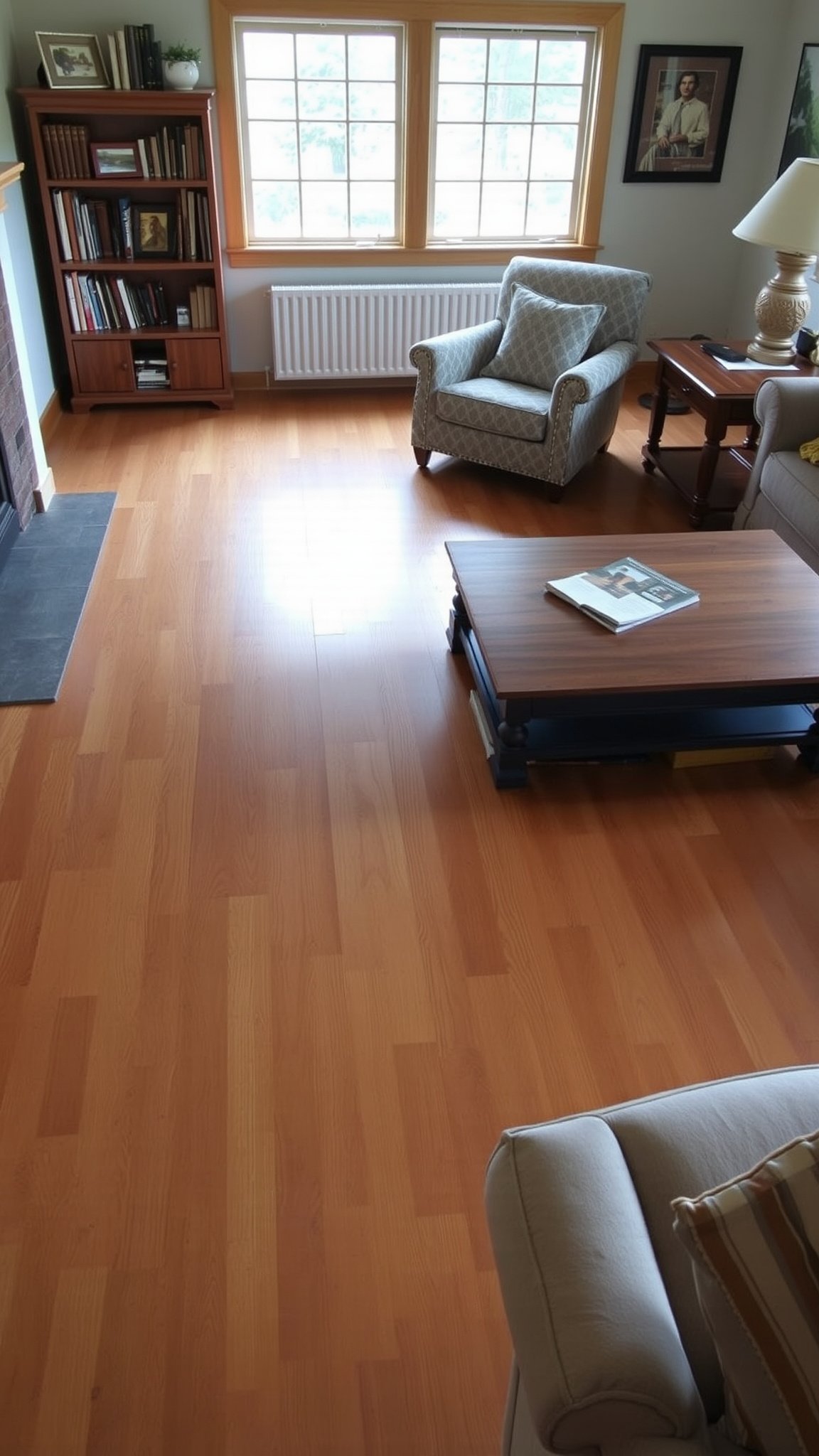
Design 1: Layering Light and Dark Woods
Mixing light and dark woods can evoke a sophisticated aesthetic. To achieve this look, opt for a light wood, such as ash or birch, for larger furniture pieces like sofas or dining tables. Then, incorporate darker wood accents through side tables, picture frames, or shelving. This contrast not only adds depth but also highlights the uniqueness of each piece.
Tips for Layering
When layering, consider the scale of the pieces. Pair a large, light wood dining table with sleek, dark wood chairs. This balance creates an inviting dining area that feels cohesive yet dynamic. Use textiles in neutral tones to tie the look together, allowing the wood variations to shine without overwhelming the space.
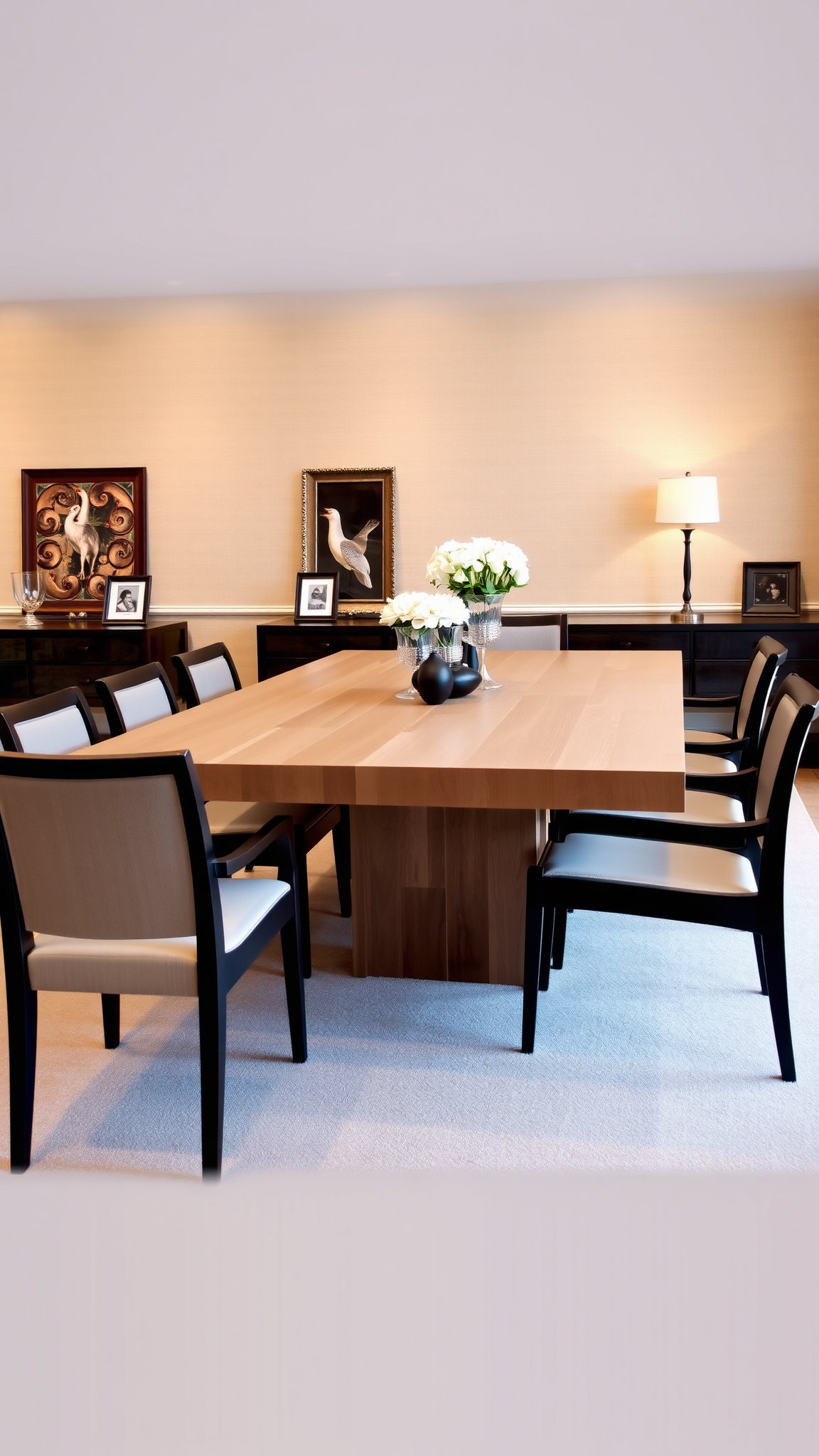
Design 2: Embracing Natural Finishes
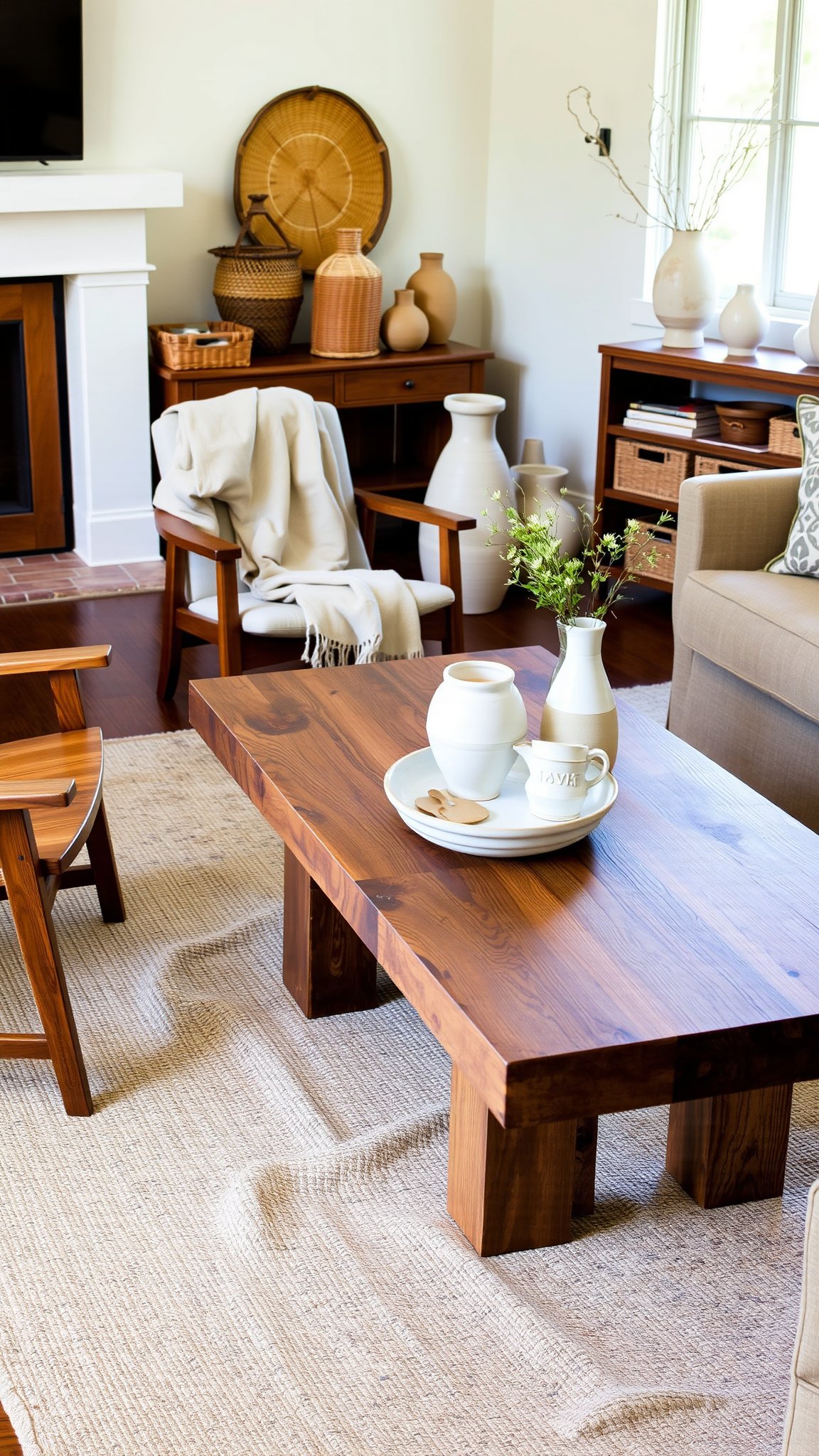
Natural finishes can enhance the beauty of wood grains and textures. By selecting furniture pieces with a raw or reclaimed look, you can create a rustic yet modern environment. For instance, a reclaimed wood coffee table can be paired with smooth, contemporary wood chairs.
Creating Texture with Natural Materials
Incorporate various natural elements to emphasize texture. Consider woven baskets, linen throws, or ceramic vases to soften the overall aesthetic. This approach not only highlights the wood tones but also adds an organic feel to the space, making it welcoming and relaxed.
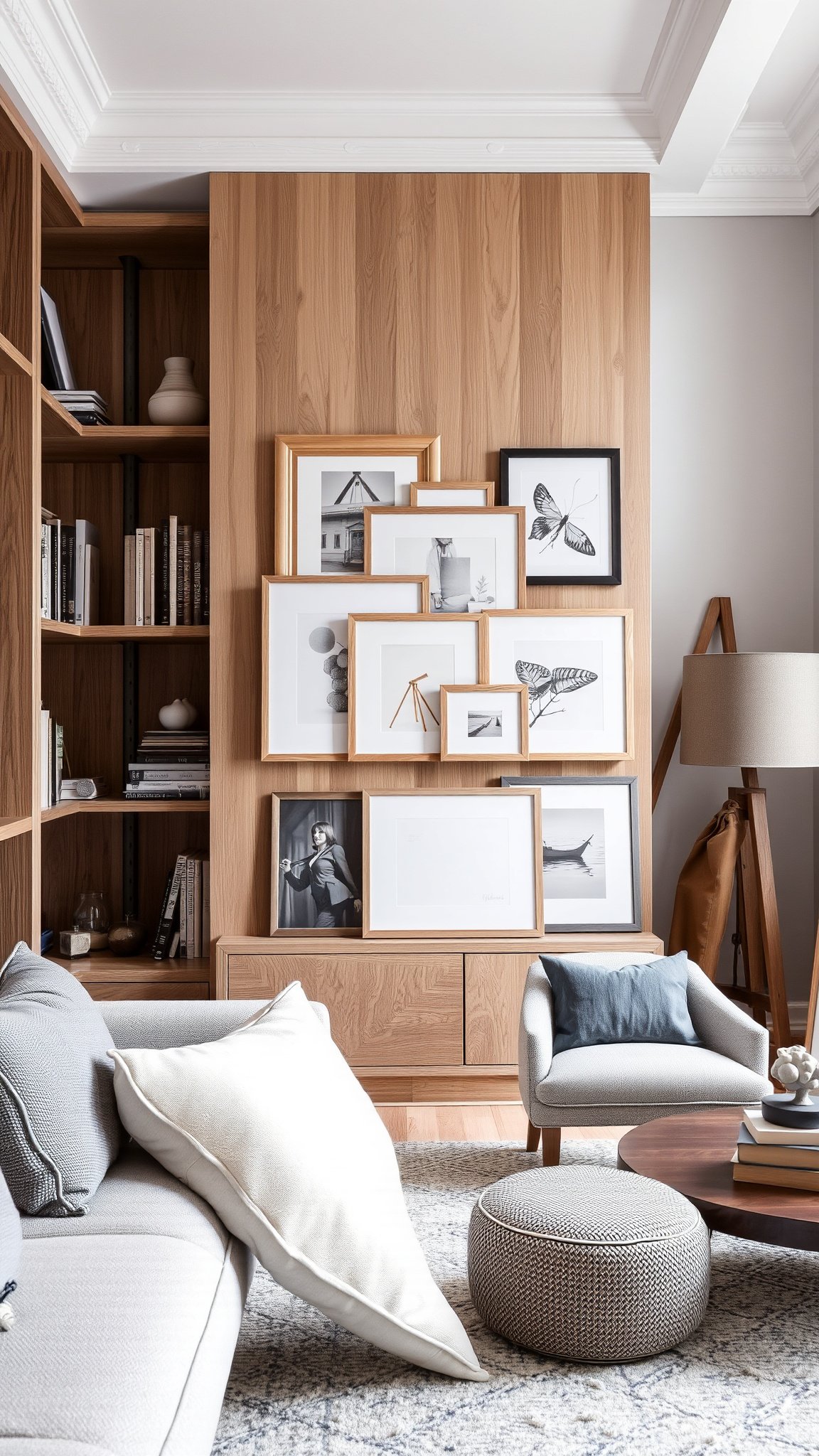
Design 3: Monochromatic Wood Palette
A monochromatic wood palette can create a serene and cohesive look. Choose different shades of the same wood, such as various tones of oak. This method allows for subtle variations that maintain visual interest without clashing.
Layering Shades for Depth
Layer small items like picture frames, bookshelves, or decorative accessories in varying shades of oak to enrich the design. Incorporate textiles in muted hues, such as soft grays or whites, to keep the focus on the wood tones while enhancing the overall elegance of the space.
Design 4: Bold Contrasts with Painted Finishes
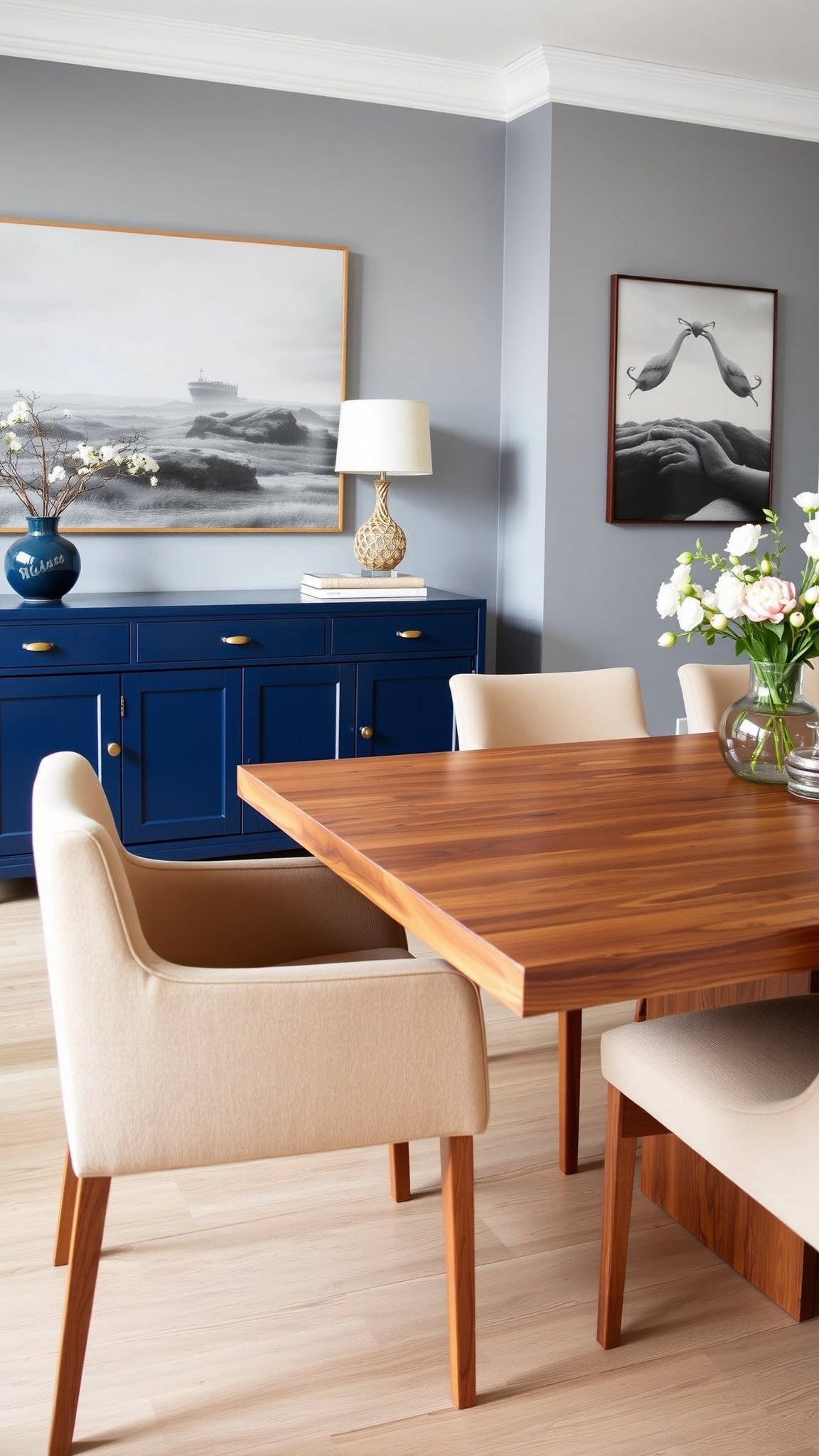
For a modern twist, consider using painted finishes alongside natural wood tones. A striking contrast can be achieved by pairing a vibrant painted cabinet with natural wood accents. For instance, a navy blue painted sideboard can look stunning next to a natural walnut dining table.
Balancing Bold Colors
To balance bold colors, keep the rest of the decor simple and understated. Neutral fabrics, such as beige or cream upholstery, will draw the eye to the statement pieces without competing for attention. This approach allows the wood tones to harmonize with the painted elements, creating a stylish focal point in the room.
Design 5: Mixing Wood with Other Materials
Incorporating metal, glass, or stone alongside wood can elevate your furniture styling. For example, a glass coffee table with wooden legs can create an airy feel while still maintaining the warmth of wood. Mixing materials not only adds dimension but also allows for creative combinations.
Finding the Right Balance
When mixing materials, choose complementary tones and textures. A matte black metal frame can pair beautifully with a warm wood table, creating a modern yet inviting vibe. Additionally, use soft textiles to bridge the gap between materials, ensuring a seamless flow throughout the space.
FAQs
Can I mix different types of wood in one room?
Yes, mixing different types of wood can add character to your space. Just be mindful of the undertones and ensure they complement each other to maintain a cohesive look.
How do I choose wood tones that work well together?
Start by selecting a base tone and then layer in other woods that either complement or contrast with it. Consider both the color and undertones of each piece to ensure they harmonize.
Are there any wood combinations to avoid?
It’s best to avoid mixing woods that have drastically different undertones, such as warm and cool tones, as this can create a disjointed look. Stick to similar undertones for a more cohesive design.
Conclusion
Mixing wood tones is an art that, when done thoughtfully, can create a beautifully balanced and inviting space. By understanding the basics of wood tones, layering appropriately, and considering the interplay of different materials, you can achieve a harmonious look that reflects your personal style. Embrace the versatility of wood, and let your creativity flow as you design a home that feels both stylish and welcoming.