
Mixing metal finishes in furniture design is an art form that can elevate your home decor from ordinary to extraordinary. This trend allows for a dynamic interplay of textures and tones, creating visual interest and depth in any space. Whether you lean towards a modern aesthetic or a more eclectic style, understanding how to harmonize different metal finishes can transform your interiors into a designer showcase. Dive into this guide to discover inspiring ideas and practical tips for achieving a stunning look that seamlessly blends various metal elements.
Choosing the Right Metals
When it comes to mixing metal finishes, the first step is selecting the right metals that complement each other. Common finishes include brass, chrome, nickel, and bronze. Consider the overall theme and color palette of your room. For instance, warm metals like brass and gold work beautifully in spaces with earthy tones, while cooler metals like silver and steel can enhance a more contemporary look.
Warm vs. Cool Finishes
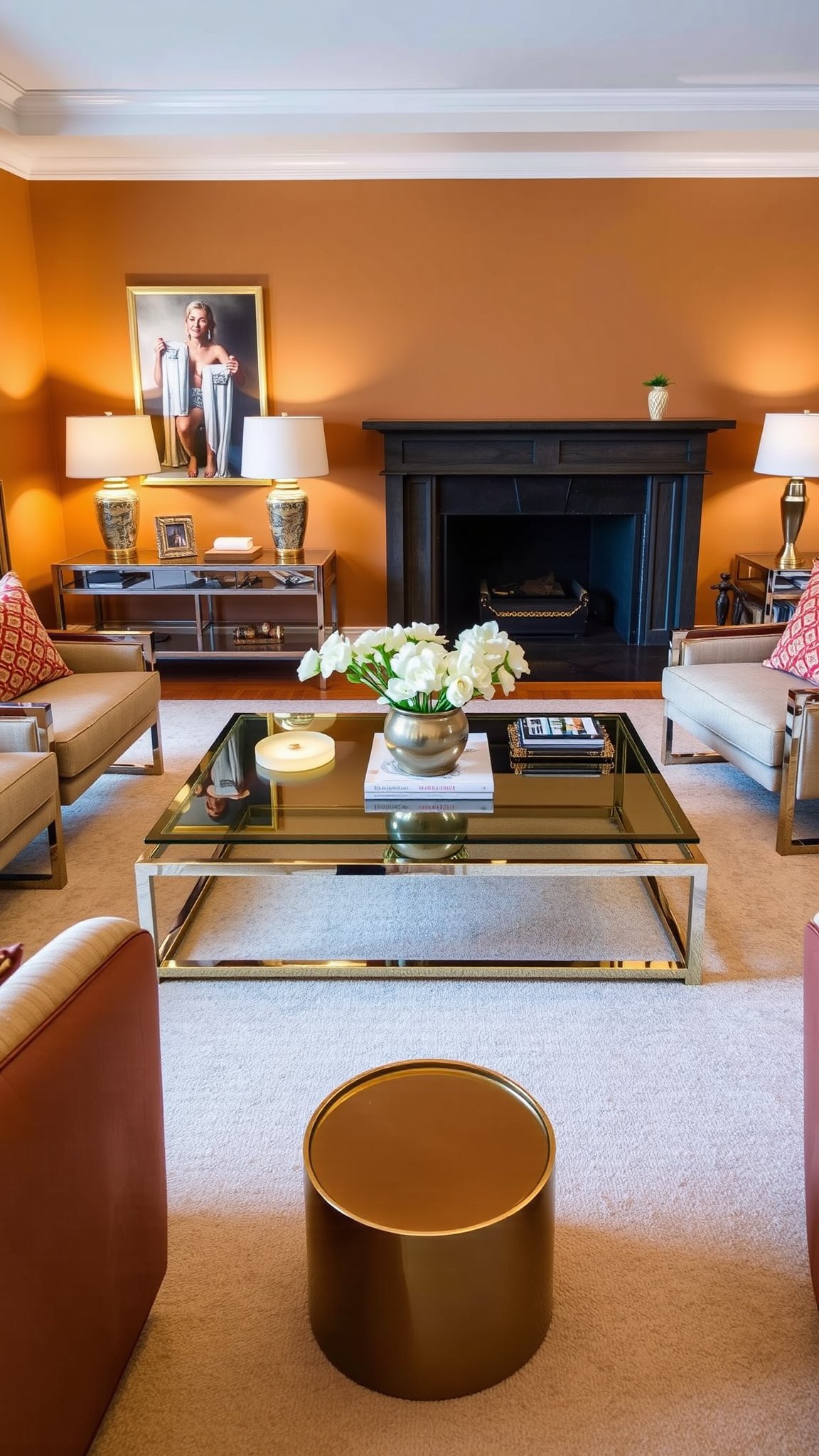
Mixing warm metals such as gold and brass with cooler tones like silver and steel can create an eye-catching contrast. To achieve balance, choose one metal as the primary finish and use the other as an accent. For example, a brass coffee table paired with chrome side tables offers a striking yet cohesive look.
Layering Textures
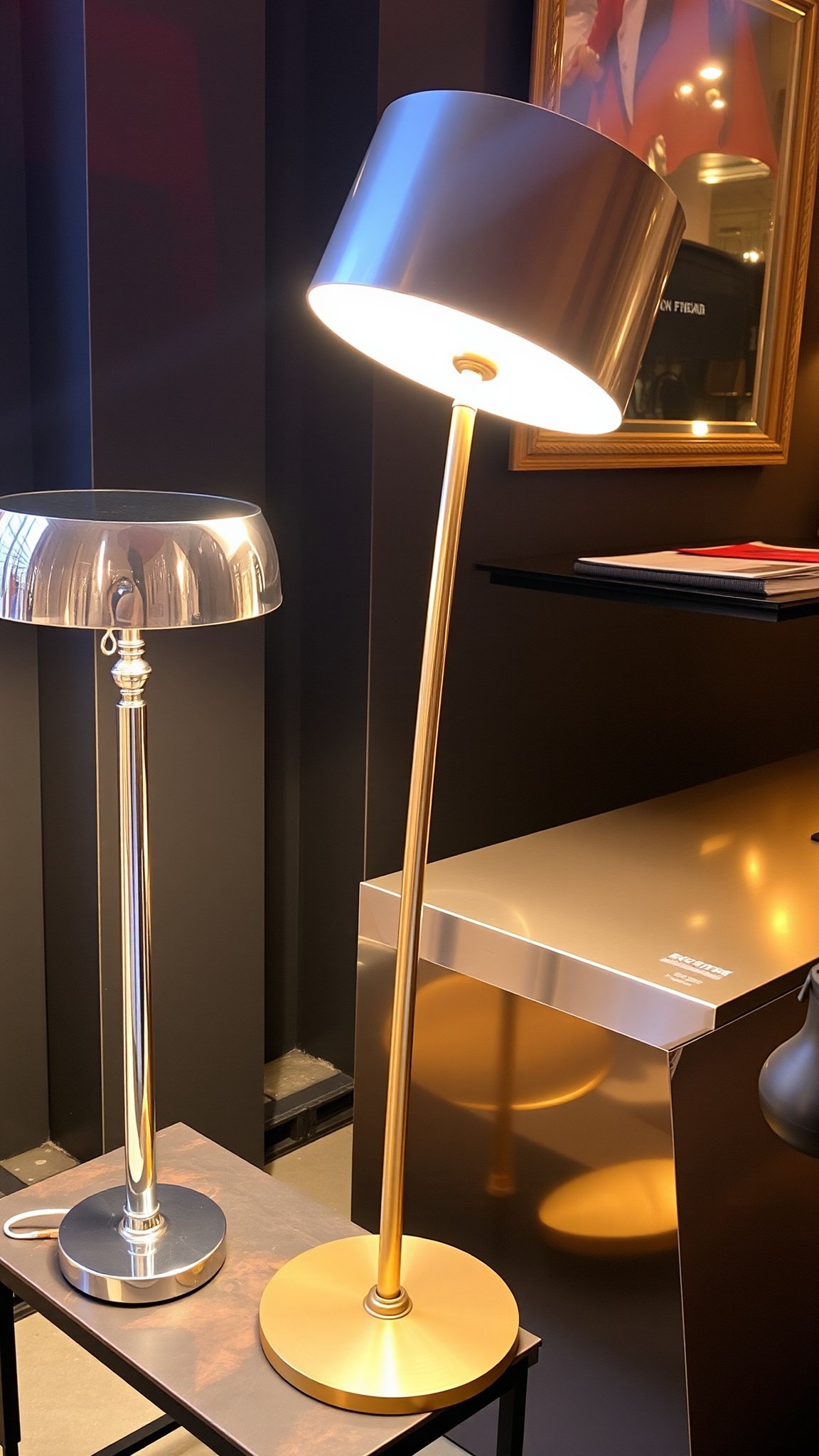
Incorporating different textures is key when mixing metal finishes. Combining smooth, polished surfaces with brushed or antiqued finishes adds depth and intrigue to your decor. For example, a sleek chrome lamp can be beautifully contrasted with a rustic iron table, creating a layered effect that feels curated and intentional.
Creating Visual Interest
To enhance visual interest, consider the scale and shape of the metal pieces. A mix of slender, delicate metal accents with bulkier, more substantial pieces can create a dynamic balance. Think about pairing a tall, slender brass floor lamp with a heavy, angular steel console table for an engaging interplay of forms.
Strategic Placement
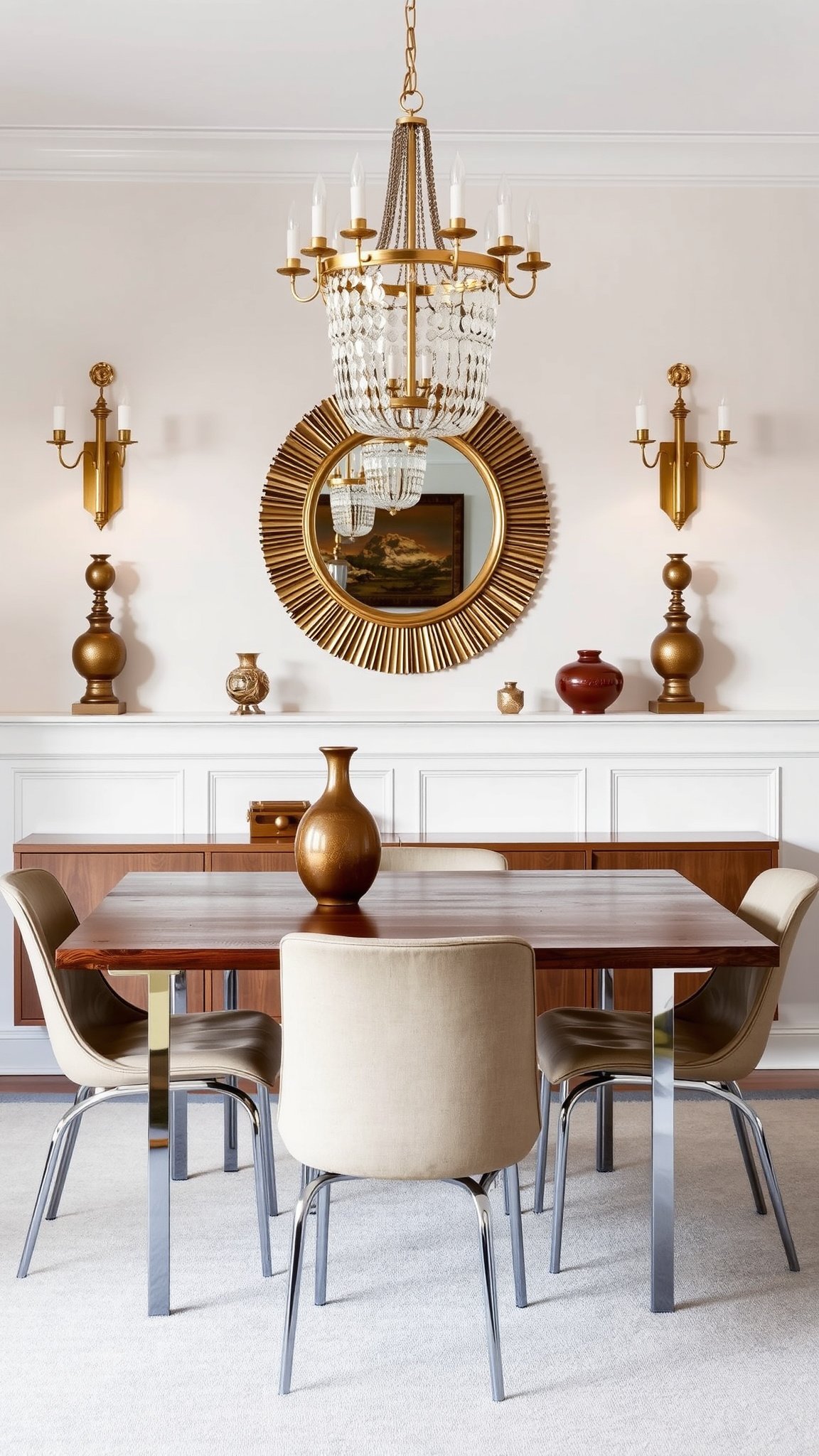
Placement of mixed metals is crucial for maintaining harmony throughout your space. When styling a room, aim for a cohesive look by distributing metal finishes evenly. This can be done by placing a brass chandelier above a dining table while incorporating chrome chair legs and bronze decorative accessories. This strategic placement ensures that the eye travels smoothly around the room.
Focal Points and Accents
Designate a focal point in the room where one metal finish can take center stage. For instance, a stunning gold mirror can draw attention while surrounding furniture pieces in complementary metals enhance its beauty without overwhelming it. This approach allows different finishes to shine without competing for attention.
Incorporating Accessories
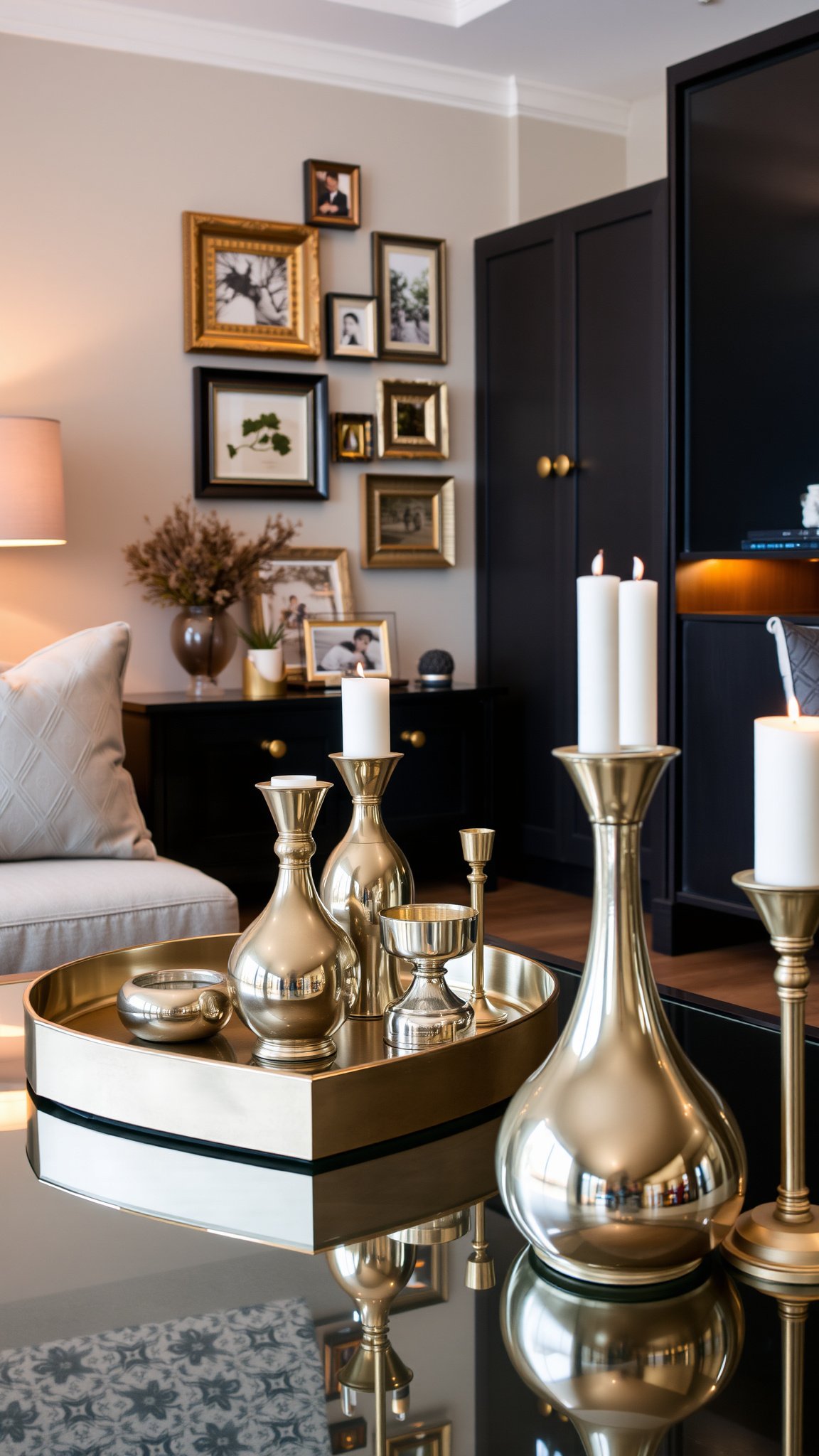
Accessories are a fantastic way to experiment with mixed metal finishes without committing to larger furniture pieces. Consider using decorative trays, vases, or candle holders in various metals to introduce subtle contrasts. A collection of brass and silver picture frames on a gallery wall can also serve to unify different metal finishes throughout the space.
Small Details Matter
Don’t overlook the power of small details in your decor. Mixing metal finishes in light fixtures, cabinet hardware, and even upholstery can make a significant impact. For example, combining brass knobs with a matte black cabinet can create a sophisticated and modern look that feels intentional and well-designed.
Color Coordination
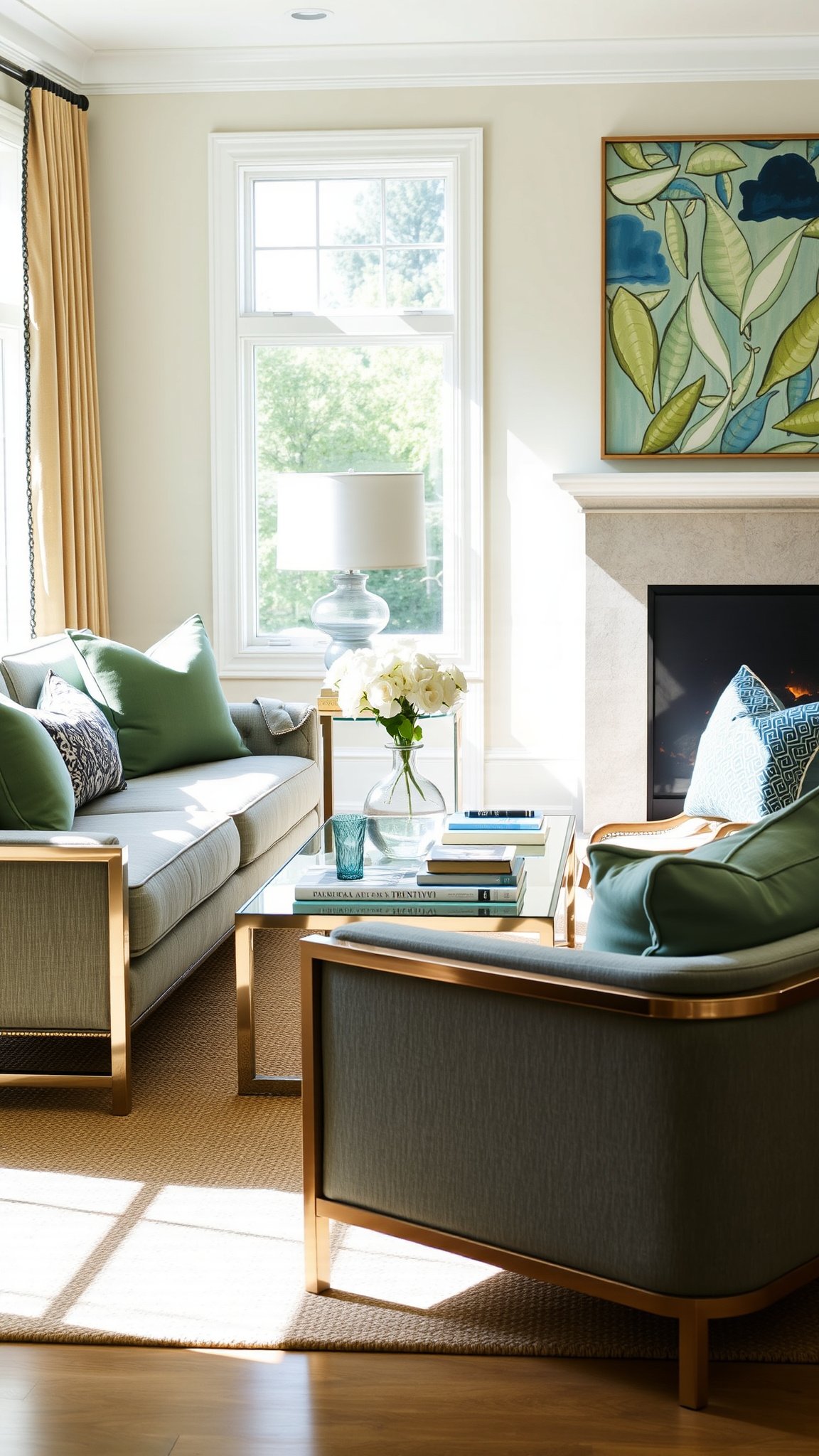
Color plays a vital role when mixing metal finishes. While metallic tones can stand alone, they can also be enhanced by coordinating colors in textiles and wall art. For example, a room featuring brushed nickel furniture can be beautifully complemented by soft blue or green accents, creating a serene and stylish atmosphere.
Using Paint and Fabrics
Incorporating painted surfaces or textiles that echo your metal finishes can tie the room together. For instance, using warm, earthy tones in your fabrics can enhance the richness of brass elements, while cooler shades can accentuate the sleekness of chrome finishes. This thoughtful approach ensures that your mixed metals feel unified rather than disjointed.
FAQs
Can I mix different metals in the same room?
Yes, mixing different metals in the same room can create a unique and sophisticated look. The key is to maintain balance by choosing complementary finishes and distributing them evenly throughout the space.
How do I choose a primary metal finish?
Choosing a primary metal finish involves considering the overall style and color scheme of your room. Select a metal that resonates with your decor theme and use it as the focal point, while incorporating secondary metals as accents.
Are there any metals I should avoid mixing?
While there are no strict rules, it’s wise to avoid mixing very similar finishes, such as brushed nickel and polished nickel, as they may appear mismatched. Instead, aim for a mix of contrasting finishes to create visual interest.
How can I soften the look of mixed metals?
To soften the look of mixed metals, incorporate soft textiles, such as cushions or throws, and natural elements like wood or plants. These additions can create warmth and balance against the coolness of the metals.
Conclusion
Mixing metal finishes in furniture design is a sophisticated way to add character and elegance to your home. By carefully selecting metals, layering textures, and strategically placing pieces, you can achieve a designer look that reflects your personal style. Embrace the art of mixing metals, and transform your living spaces into beautifully curated environments that exude both comfort and sophistication.