
Minimalist Scandinavian living room furniture layouts combine functionality with simplicity, embodying the essence of modern design while creating a cozy and inviting atmosphere. This decorating style emphasizes clean lines, neutral color palettes, and natural materials, making it a favorite for those looking to create a serene space. In this article, we’ll explore various approaches to achieving an elegant Scandinavian living room that reflects your personal style while maintaining a minimalist aesthetic.
Design 1: Open and Airy Layout
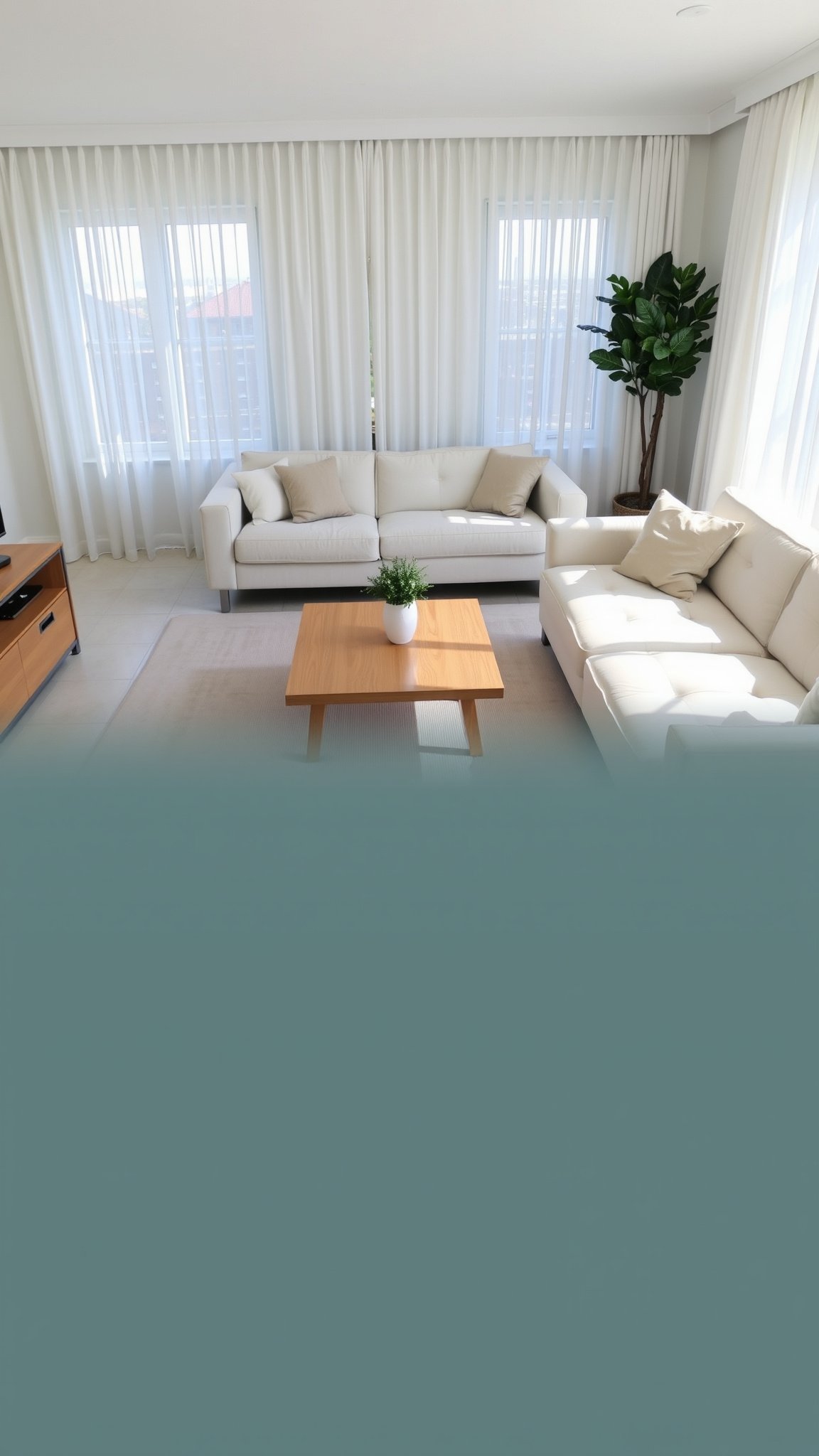
An open and airy layout is fundamental in Scandinavian design, promoting a sense of freedom and flow. To achieve this look, prioritize a spacious arrangement that encourages movement. Start with a simple sofa in a light fabric, positioned opposite a sleek coffee table. Keep the area around the furniture uncluttered, allowing natural light to fill the room. Use sheer curtains to enhance brightness, and consider a large rug to define the seating area while keeping the overall color palette soft and neutral.
Key Elements
Choose a light-colored sofa, such as a cream or pale gray, and pair it with a minimalist coffee table made of wood or metal. Incorporate a few accent pillows in muted tones for added comfort without overwhelming the space.
Design 2: Functional Furniture Arrangements
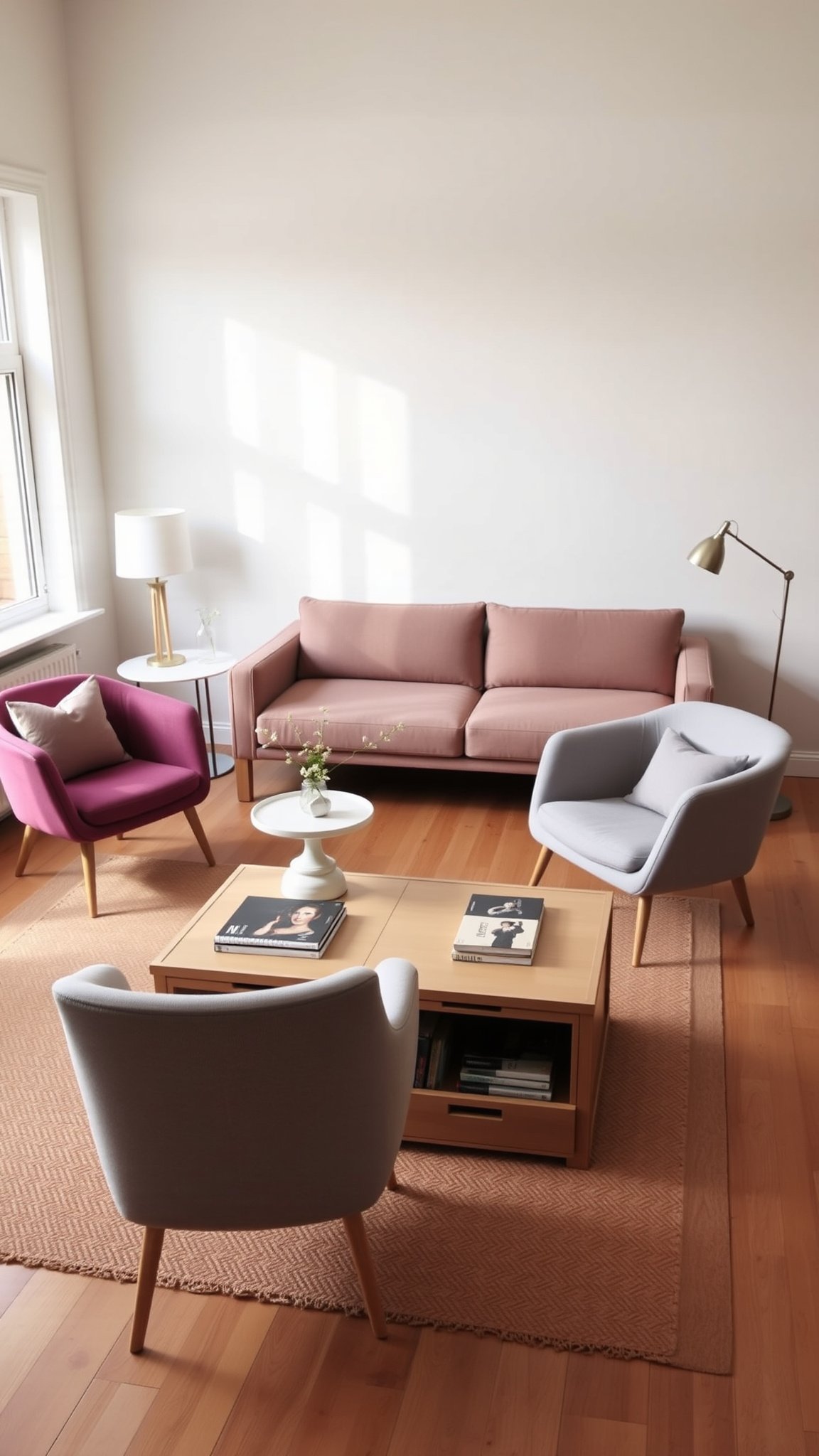
In Scandinavian design, furniture serves both aesthetic and functional purposes. Opt for multifunctional pieces, such as a coffee table with storage or an ottoman that doubles as seating. Position the sofa against a wall to maximize floor space, and balance it with a pair of armchairs in complementary colors. This arrangement encourages conversation while keeping the atmosphere relaxed and inviting.
Key Elements
Look for a low-profile sofa and accent chairs with clean lines. A minimalist side table can serve as a functional yet stylish addition, providing a place to set down drinks or books without cluttering the space.
Design 3: Embracing Natural Materials
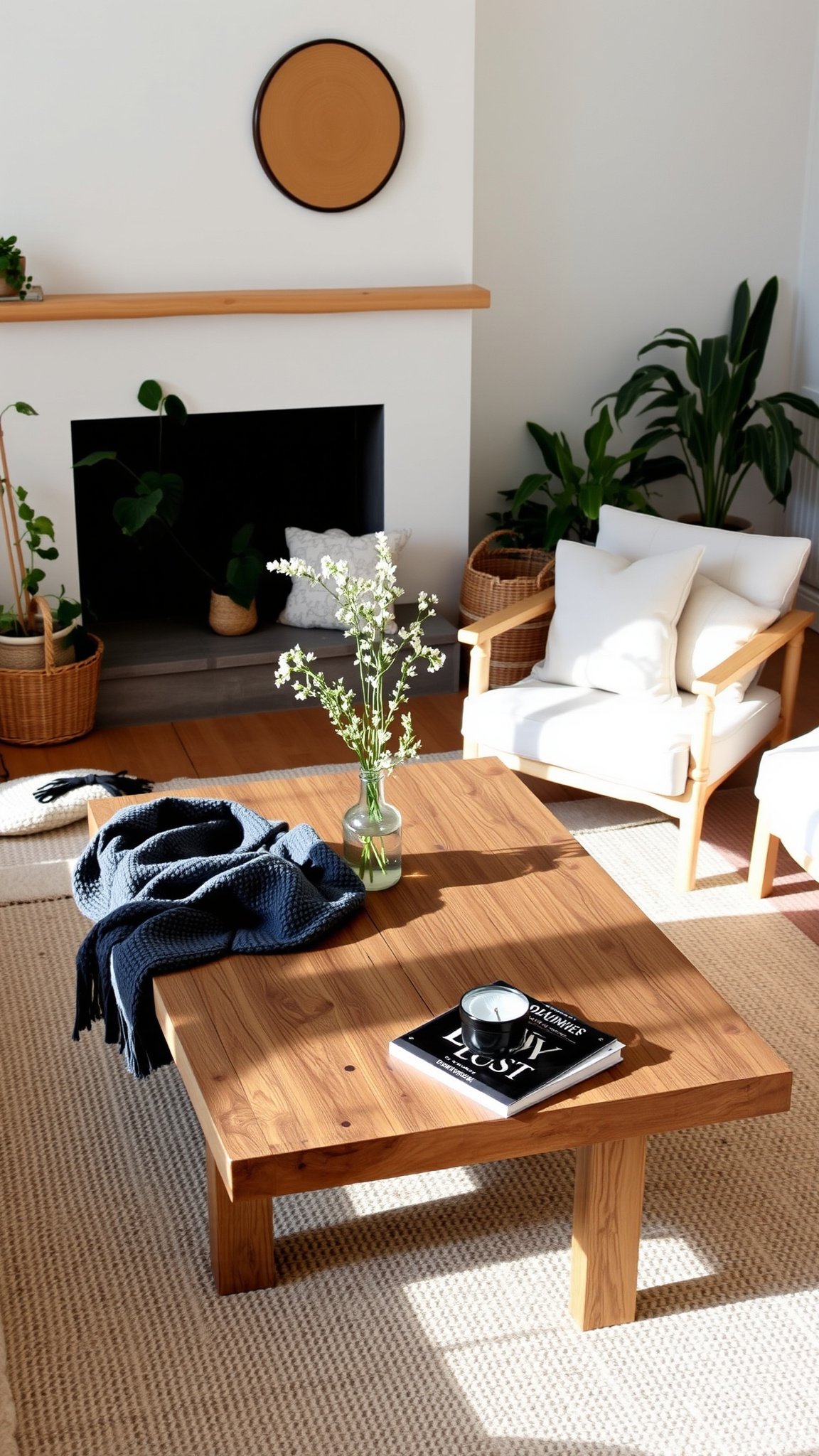
Incorporating natural materials is essential to achieving a true Scandinavian aesthetic. Use wooden furniture to add warmth and texture to your living room. For instance, a reclaimed wood coffee table can serve as a stunning centerpiece. Pair it with soft textiles like a wool throw or cotton cushions to create a cozy environment that invites relaxation.
Key Elements
Opt for light woods, such as birch or pine, which reflect the Scandinavian affinity for nature. Accent the space with plants to bring in a touch of greenery, enhancing the overall serene vibe.
Design 4: Layering Textures
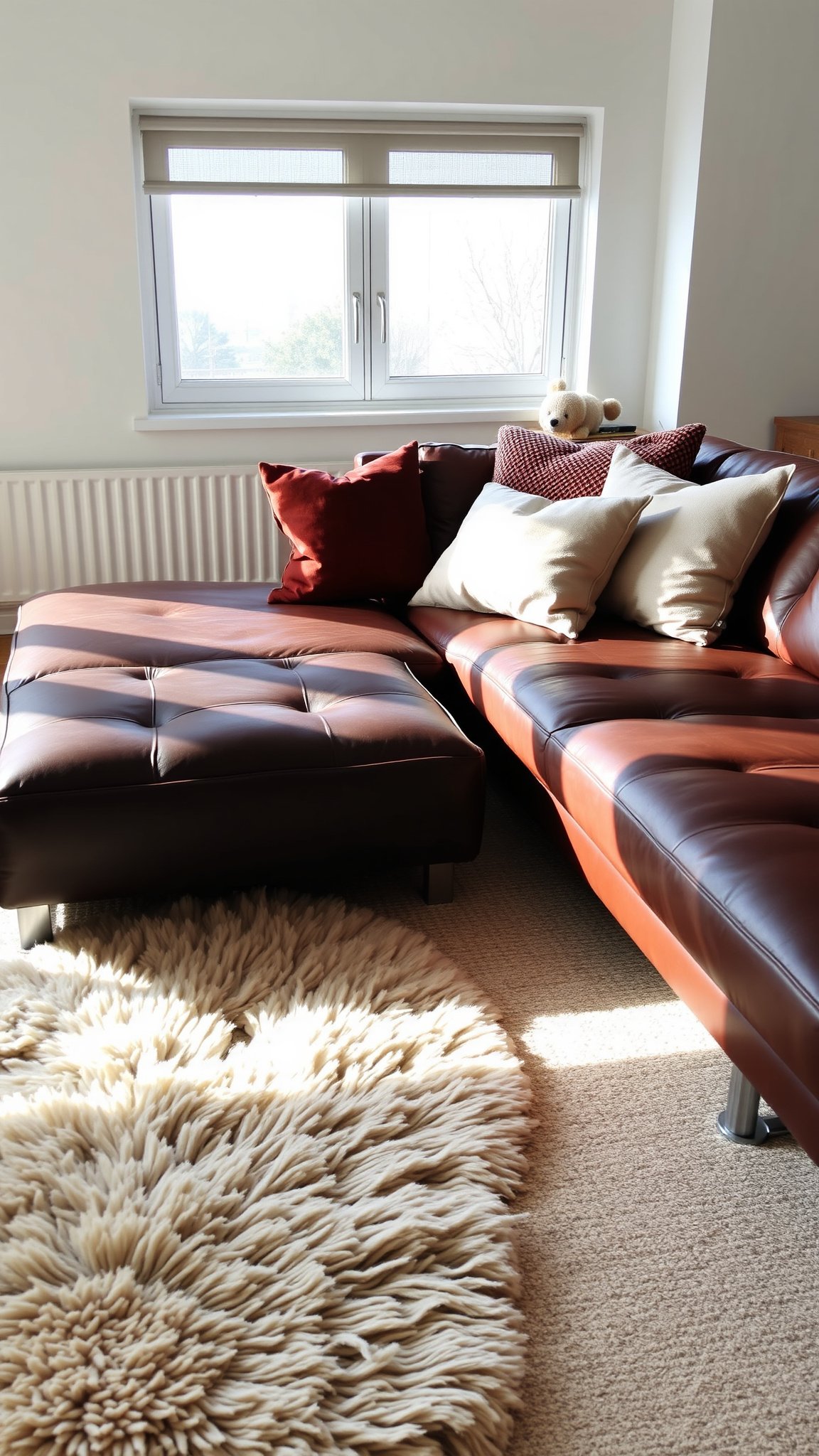
Layering textures is a powerful technique in Scandinavian design, adding depth to a minimalist layout. Start with a base of neutral colors and incorporate various fabrics and materials to create visual interest. For example, a plush area rug can contrast beautifully with a sleek leather sofa, while knitted throws and linen cushions add comfort without overwhelming the space.
Key Elements
Choose cushions in varying textures, such as velvet, linen, and cotton, but keep the color palette cohesive. This layering not only enhances comfort but also invites guests to sink in and enjoy the space.
Design 5: Strategic Use of Color
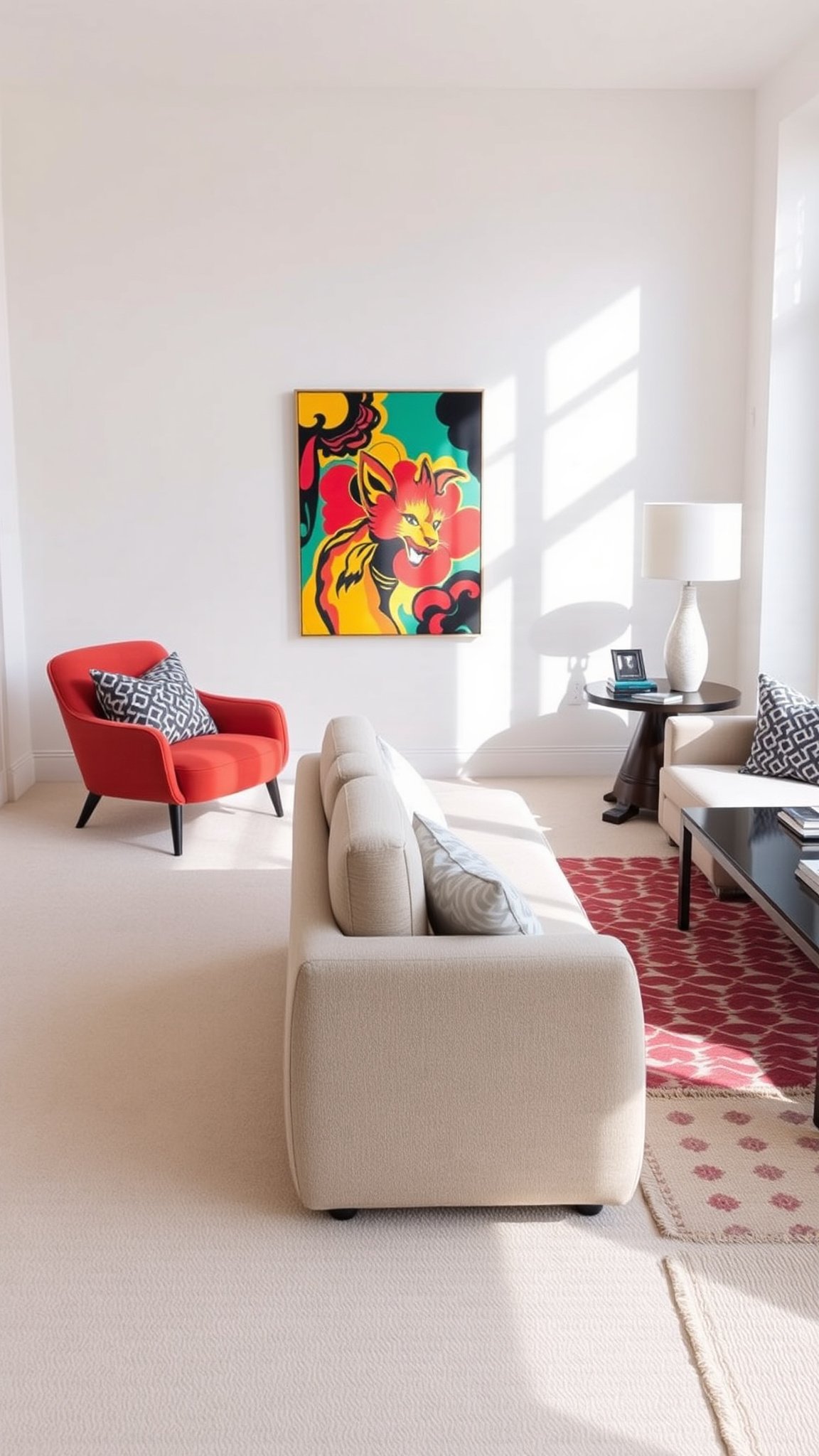
While Scandinavian design often leans towards neutral tones, strategic pops of color can energize a minimalist living room. Consider a bright accent chair or a vibrant piece of artwork to serve as a focal point. Position these colorful elements thoughtfully to maintain balance, ensuring they complement rather than overwhelm the overall design.
Key Elements
Incorporate artwork with bold colors or patterned textiles that draw the eye. This approach keeps the minimalist theme intact while infusing personality and vibrancy into the space.
Design 6: Thoughtful Lighting Solutions
Lighting plays a vital role in Scandinavian design, emphasizing warmth and creating a cozy atmosphere. Incorporate a combination of overhead fixtures and floor lamps to achieve an inviting glow. Opt for fixtures with simple, modern lines and materials that echo the minimalist aesthetic, such as metal or wood. Consider dimmable lights to adjust the ambiance according to the time of day.
Key Elements
Choose light fixtures that blend seamlessly with furniture while providing sufficient illumination. A statement pendant light can serve as a design focal point while enhancing the room’s overall aesthetic.
FAQs
What are the main characteristics of Scandinavian design?
Scandinavian design is characterized by simplicity, functionality, and a focus on natural materials. It often features a neutral color palette, minimalistic furniture, and a harmonious blend of textures.
How can I make my small living room feel larger using Scandinavian design?
To make a small living room feel larger, opt for light-colored walls and furniture, use mirrors to reflect light, and choose multifunctional furniture. An open layout with minimal clutter will also enhance the sense of space.
What types of materials should I use in a Scandinavian living room?
In a Scandinavian living room, prioritize natural materials such as wood, wool, and linen. These materials create warmth and texture while maintaining a clean and minimalist aesthetic.
How can I incorporate color without losing the minimalist aesthetic?
Incorporate color through accent pieces, such as cushions, artwork, or a single brightly colored chair. Keep the rest of the room neutral to ensure these pops of color stand out without overwhelming the space.
Conclusion
Creating a minimalist Scandinavian living room involves thoughtful furniture layouts that prioritize functionality and aesthetic appeal. By focusing on natural materials, layering textures, and strategically incorporating color, you can design a space that is both stylish and comfortable. The key is to maintain a sense of openness and simplicity, allowing your living room to embody the serene charm of Scandinavian design. Embrace these principles to transform your home into a beautiful retreat that reflects your personal style while remaining effortlessly chic.