
Creating a minimalist furniture layout in open spaces can transform your home into a serene oasis that promotes both functionality and style. This design approach emphasizes simplicity, allowing the beauty of each piece to shine while ensuring a clutter-free environment. If you’re looking to enhance the elegance of your open space, this article will inspire you with practical layouts and stylish tips that blend comfort with minimalism.
Design 1: The Open Concept Living Room
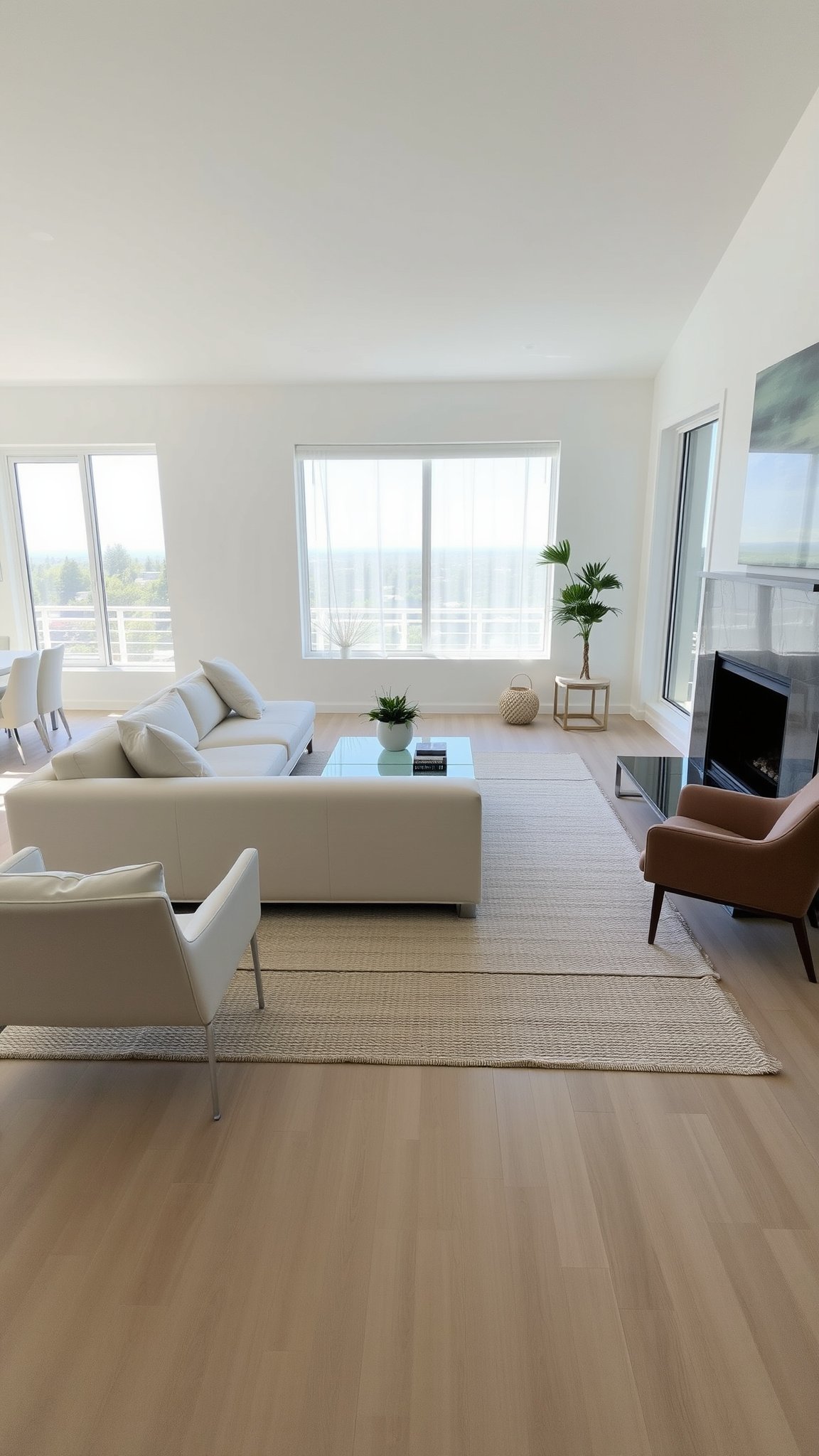
In an open concept living room, the goal is to create distinct yet cohesive areas for relaxation and socializing. Begin with a neutral color palette, using shades of white, beige, or soft grey to unify the space. Select a low-profile sectional sofa that encourages conversation, paired with a sleek coffee table made of glass or light wood to maintain an airy feel.
Layout Tips
Position the sofa to face a focal point, such as a fireplace or entertainment unit. Use area rugs to define the living area, placing them under the front legs of the sofa and coffee table. Add a few minimalist accent chairs with clean lines, avoiding heavy upholstery to keep the space feeling open and inviting.
Design 2: The Functional Dining Zone
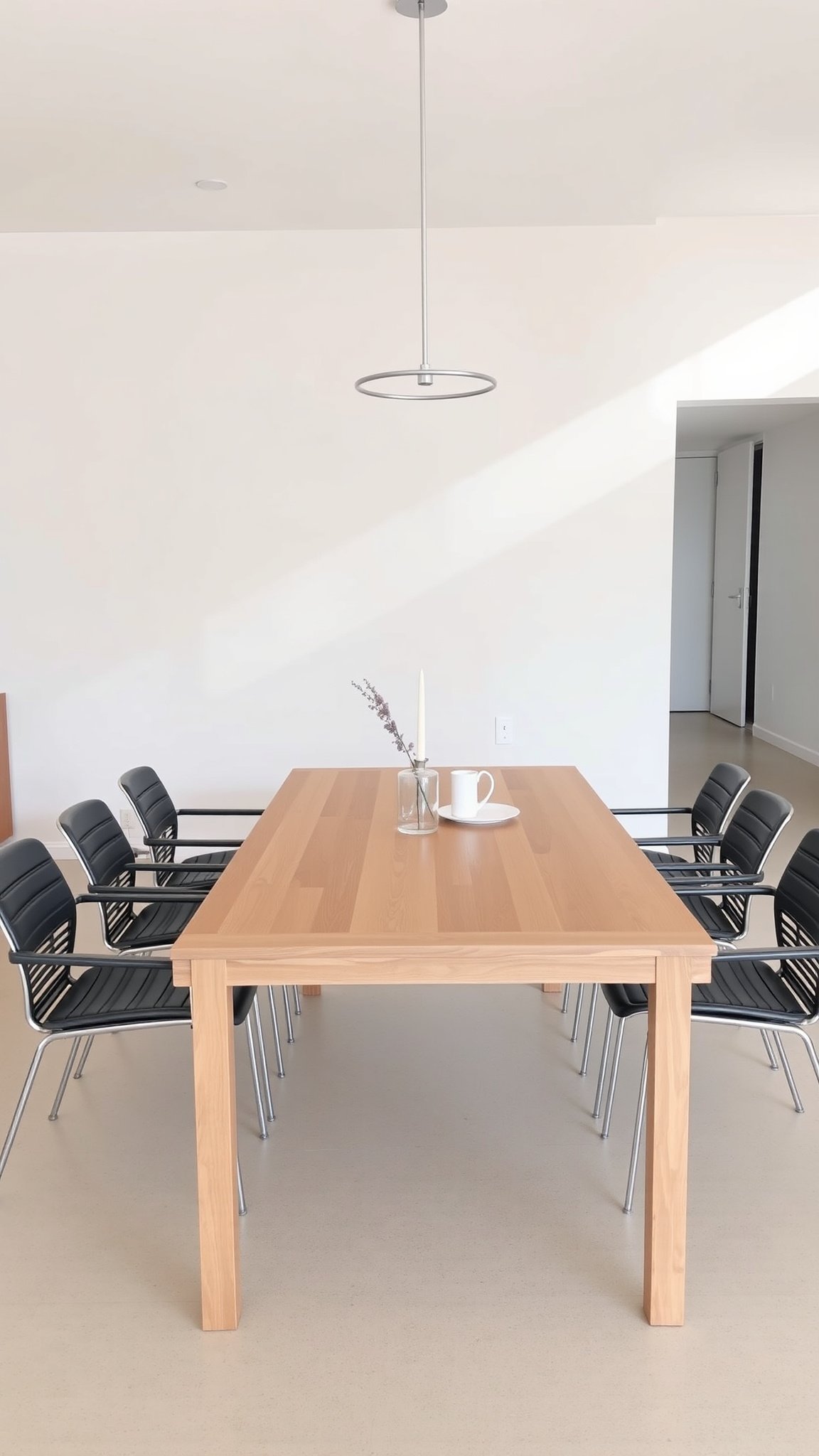
Incorporating a dining area within an open space calls for smart furniture choices that complement the minimalist ethos. Opt for a simple, rectangular dining table made of light wood or metal. Surround it with sleek, modern chairs that stack for easy storage, ensuring the room remains clutter-free.
Lighting and Decor
Enhance the dining zone with a minimalist chandelier or pendant light that draws the eye without overwhelming the space. Keep the table setting simple with a few elegant tableware pieces and a small centerpiece, such as a single vase or a simple candle, to maintain the clean aesthetic.
Design 3: The Cozy Reading Nook
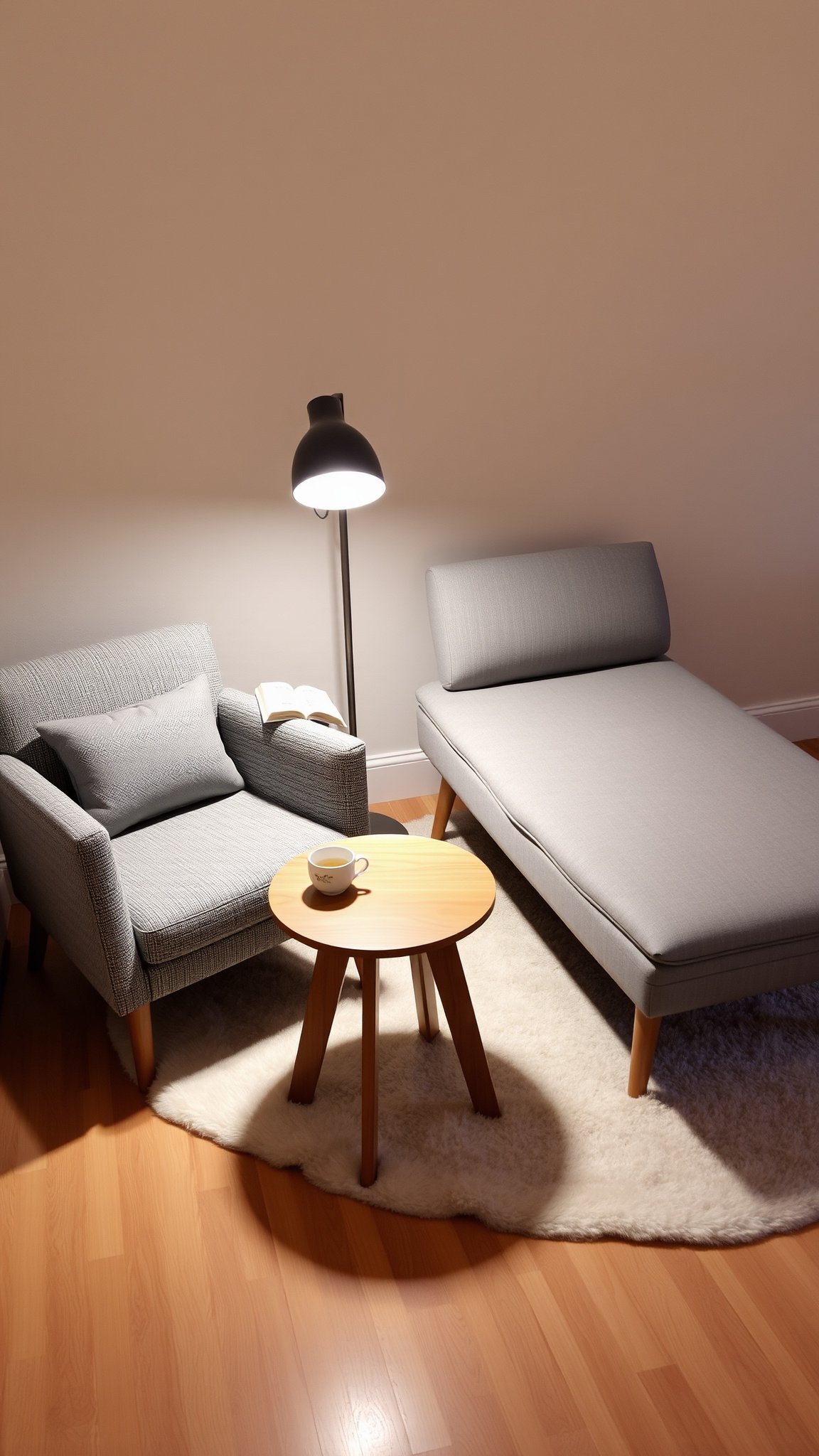
A reading nook can add warmth and character to an open space while adhering to minimalist principles. Choose a compact armchair or a sleek chaise lounge that invites relaxation. Use a small side table to hold a book or a cup of tea, ensuring it’s within easy reach but doesn’t crowd the area.
Creating Ambiance
Incorporate a floor lamp with a simple design to provide adequate light for reading. Keep the surrounding decor minimal, perhaps adding a small shelf for books or a wall-mounted light fixture to save floor space. This nook can be subtly defined by a soft area rug that complements the overall color scheme.
Design 4: Multi-Functional Spaces
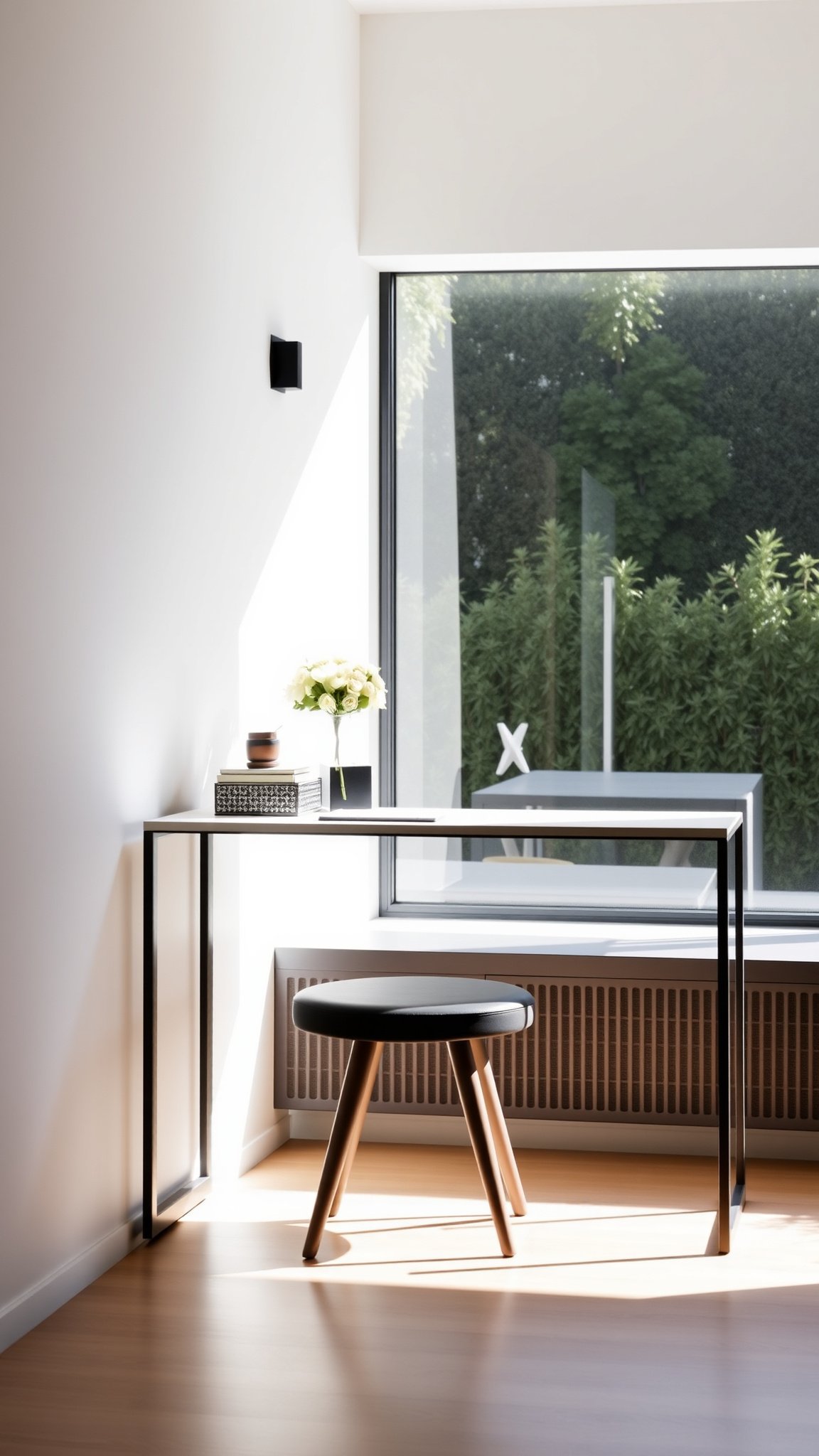
In a minimalist layout, every piece of furniture should serve multiple purposes. Consider a sleek console table that can double as a workspace, positioned near a window to take advantage of natural light. Pair it with a comfortable yet stylish stool that can be tucked away when not in use.
Optimizing Space
To maintain an uncluttered appearance, keep office supplies in a decorative box or drawer. A wall-mounted shelf above the console can hold essential items, keeping the workspace organized while adding a touch of elegance. This approach maximizes functionality without sacrificing aesthetic appeal.
Design 5: Minimalist Bedroom Retreat
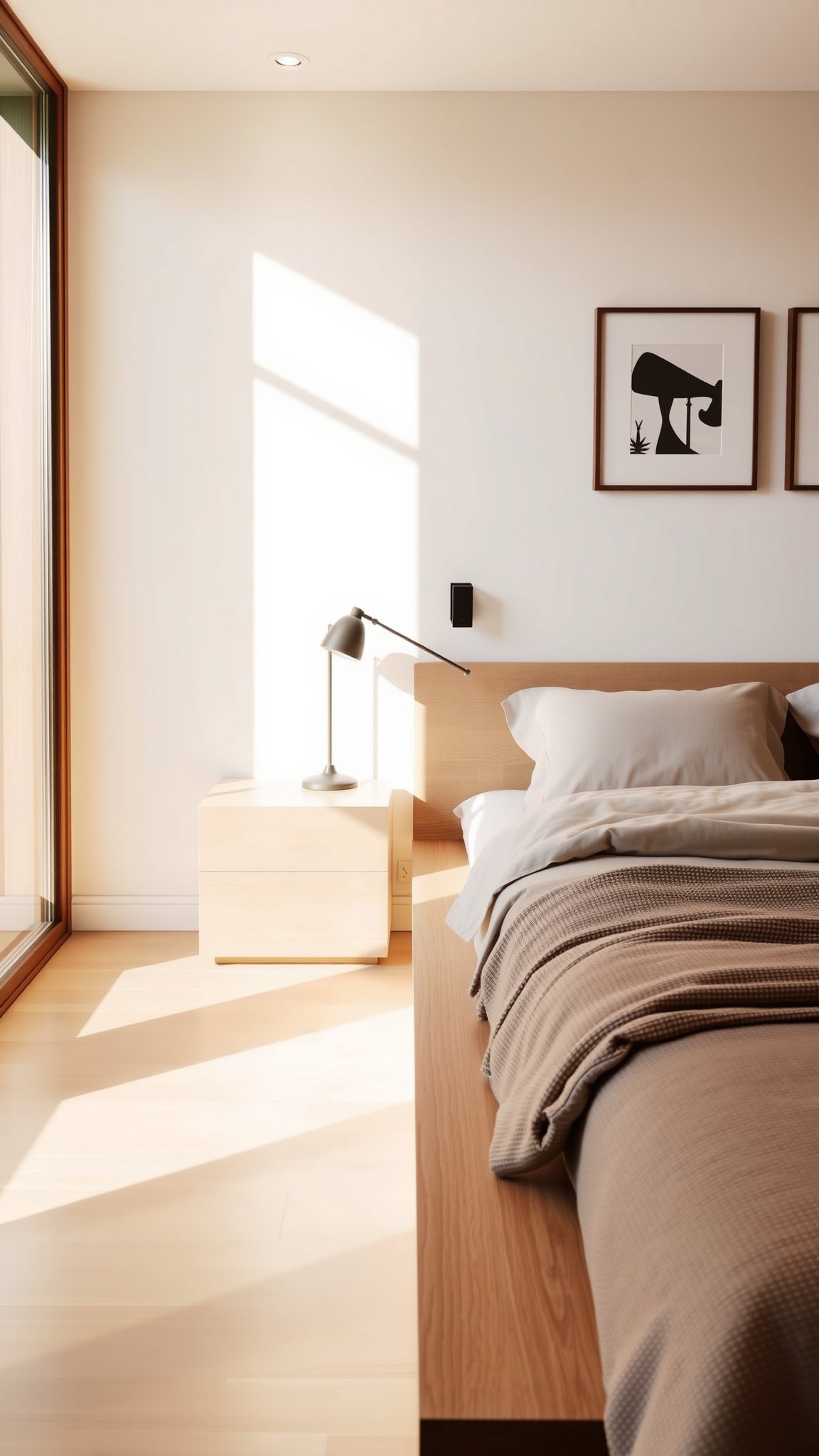
Creating a minimalist bedroom involves selecting furniture that fosters tranquility. A low-profile platform bed with built-in storage underneath can help maintain a tidy appearance. Choose soft bedding in muted tones to promote relaxation and peacefulness.
Furnishing Wisely
Incorporate a few carefully chosen accessories, such as a minimalist nightstand and a simple lamp, to keep the bedside clear of clutter. Consider using wall-mounted lighting to free up space on the nightstand, allowing for a serene and spacious feel. A few framed art pieces or photographs can add personality without overwhelming the room.
FAQs
What are the benefits of minimalist furniture layouts?
Minimalist furniture layouts create a serene and organized environment, making spaces feel larger and more inviting. They also promote intentional living by focusing on functionality and aesthetics.
How can I achieve a minimalist look on a budget?
Start by decluttering your space and keeping only essential items. Look for versatile furniture that serves multiple purposes and consider second-hand or DIY options to save money while maintaining style.
Can I mix styles within a minimalist layout?
Yes, you can mix styles, but it’s essential to keep a cohesive color palette and similar design elements. This will maintain the minimalist aesthetic while allowing for personal expression.
What colors work best in minimalist designs?
Neutral colors such as white, grey, beige, and soft pastels are ideal for minimalist designs as they promote a calm and airy atmosphere. Accents can be added through small decor items to inject personality into the space.
Conclusion
Minimalist furniture layouts for open spaces encourage a harmonious balance between aesthetics and functionality. By choosing thoughtfully designed furniture and maintaining a clutter-free environment, you can create spaces that are not only visually appealing but also promote a sense of calm and comfort. Embrace the philosophy of ‘less is more’ to cultivate a beautiful, stylish home that reflects your personal taste.