
Creating a comfortable space for conversations is essential in any home, especially in living areas where friends and family gather. Thoughtful furniture arrangement can significantly enhance the flow of dialogue, making interactions more enjoyable and engaging. By strategically placing furniture and selecting the right elements, you can create a welcoming atmosphere that encourages connection and warmth. In this article, we will explore various design concepts to help you arrange your furniture for optimal conversation flow.
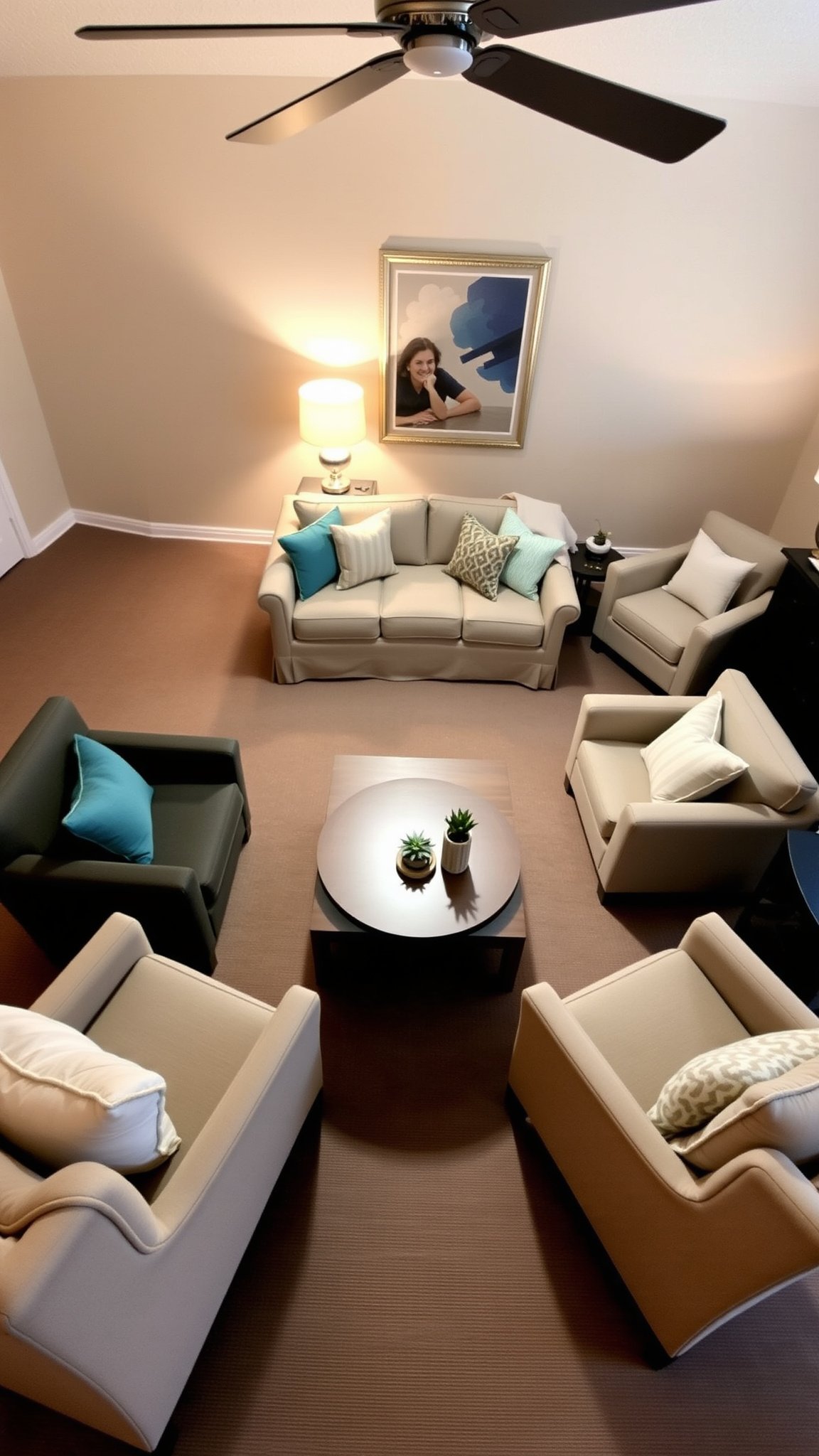
Design 1: Circular Arrangements for Inclusivity
A circular furniture arrangement naturally fosters conversation. By positioning sofas and chairs in a circular or semi-circular shape, you eliminate barriers and make it easier for everyone to see and engage with one another. This setup is perfect for larger gatherings, allowing for a communal feel.
Implementation Tips
Choose comfortable seating options, such as a sectional sofa paired with accent chairs. Ensure there’s enough space between the seats to allow easy movement. Consider using a round coffee table in the center to encourage sharing snacks or drinks, enhancing the casual atmosphere.
Design 2: Cozy Nooks for Intimate Chats
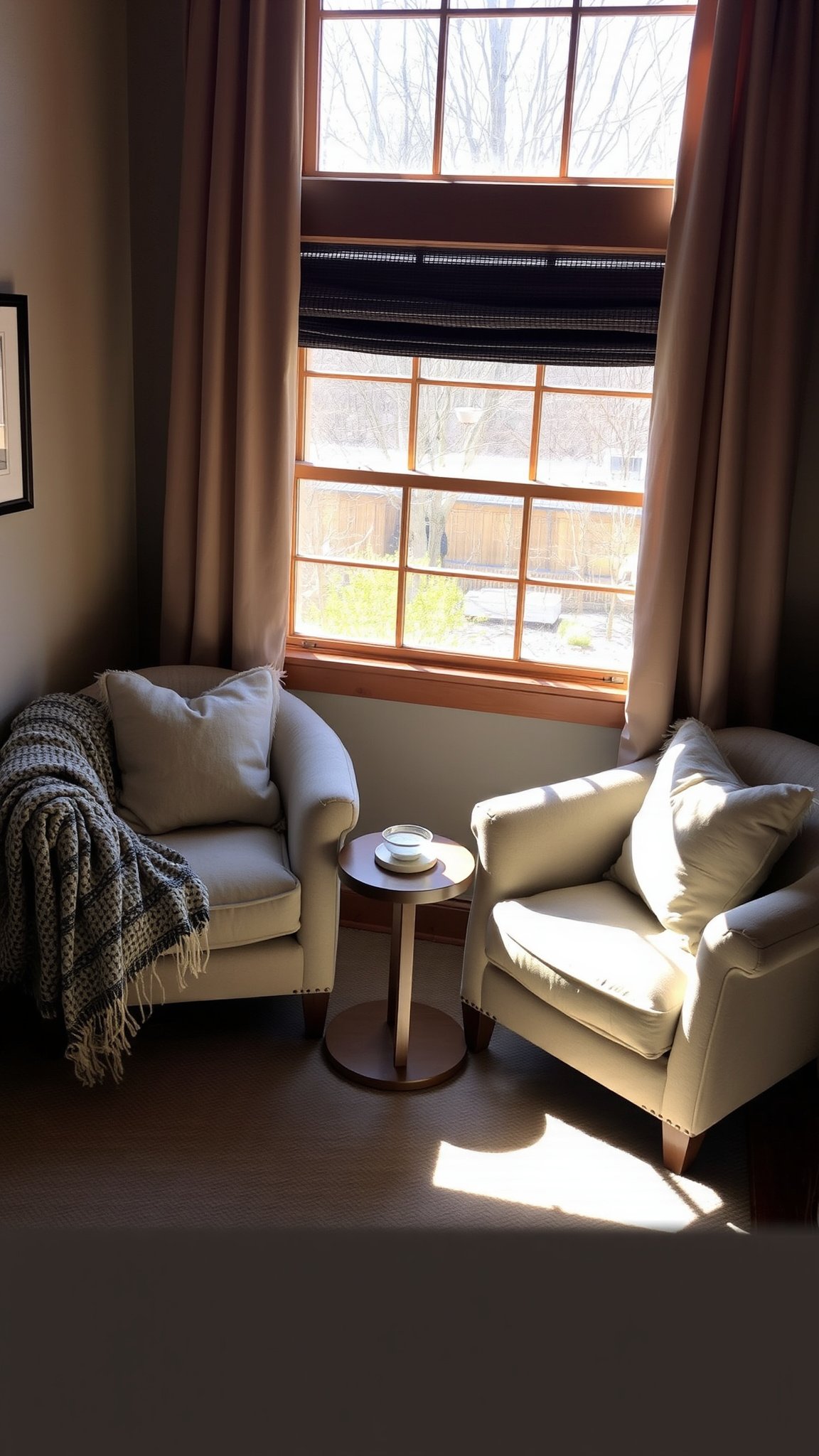
Creating cozy nooks in your home provides a perfect setting for intimate conversations. These spaces are designed to feel more personal and inviting, making them ideal for one-on-one discussions or small group gatherings.
Implementation Tips
Utilize plush armchairs or love seats, and add elements like side tables and soft lighting to enhance the ambiance. Positioning these seats near a window or fireplace can create a warm, inviting atmosphere. Layering textiles, such as throws and cushions, adds comfort and invites relaxation.
Design 3: Open Layouts for Fluid Movement
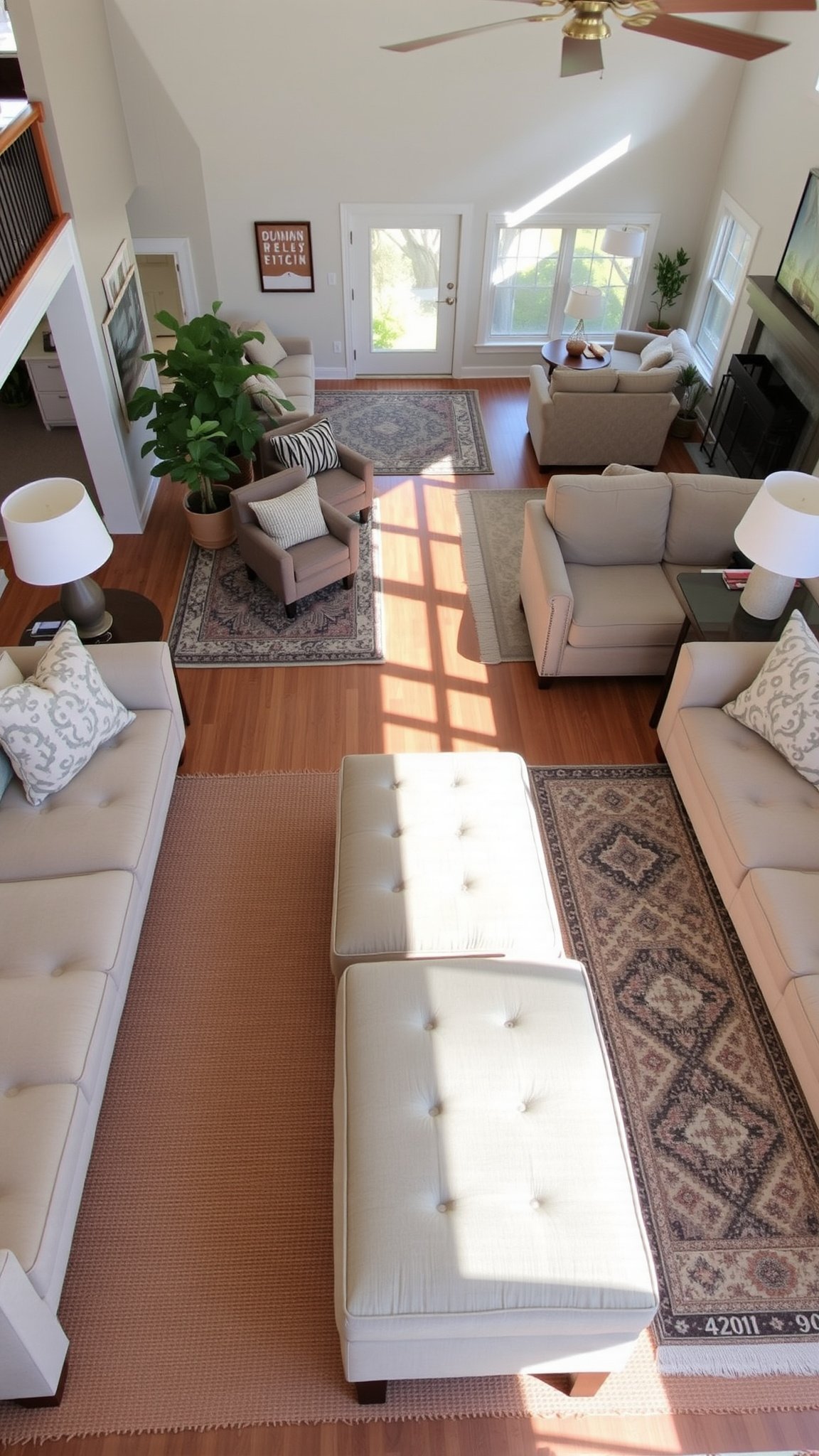
An open layout is highly effective for comfortable conversations, allowing for easy movement and interaction. This design encourages flexibility and adaptability, making it suitable for both small and large gatherings.
Implementation Tips
Arrange furniture in a way that defines different zones without creating barriers. Use area rugs to delineate spaces while keeping the flow open. Select lightweight furniture that can be easily moved, and consider multi-functional pieces, such as ottomans that double as seating, to accommodate varying group sizes.
Design 4: Angled Seating for Dynamic Interaction
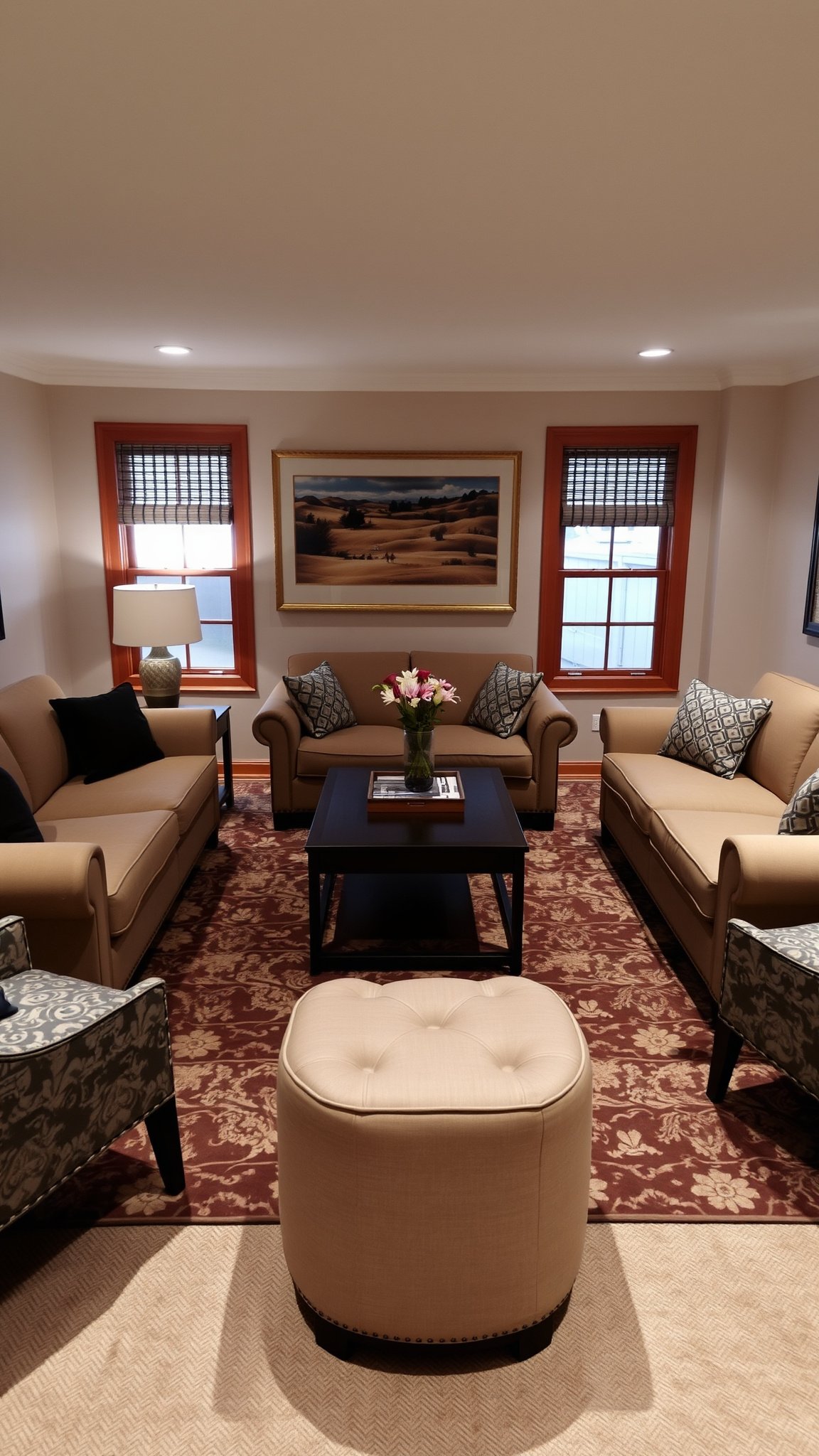
Angled seating arrangements can create a dynamic environment that encourages open dialogue. By positioning chairs and sofas at angles rather than straight lines, you invite a more engaging conversation space.
Implementation Tips
Try angling your sofas and chairs towards each other, with a coffee table in between. This setup not only facilitates eye contact but also encourages participants to lean in and engage more deeply. Incorporate accent chairs that can be easily repositioned to adapt to the group size.
Design 5: Use of Multi-Purpose Furniture
Incorporating multi-purpose furniture can enhance conversation areas while maximizing space. This strategy is particularly effective in smaller homes or apartments.
Implementation Tips
Choose furniture that serves multiple functions, such as a bench that can be used for seating or storage. Nesting tables can be pulled out when needed and tucked away when not in use. Additionally, an expandable dining table can transition from a casual coffee table to a larger gathering area, making it easier to host friends and family.
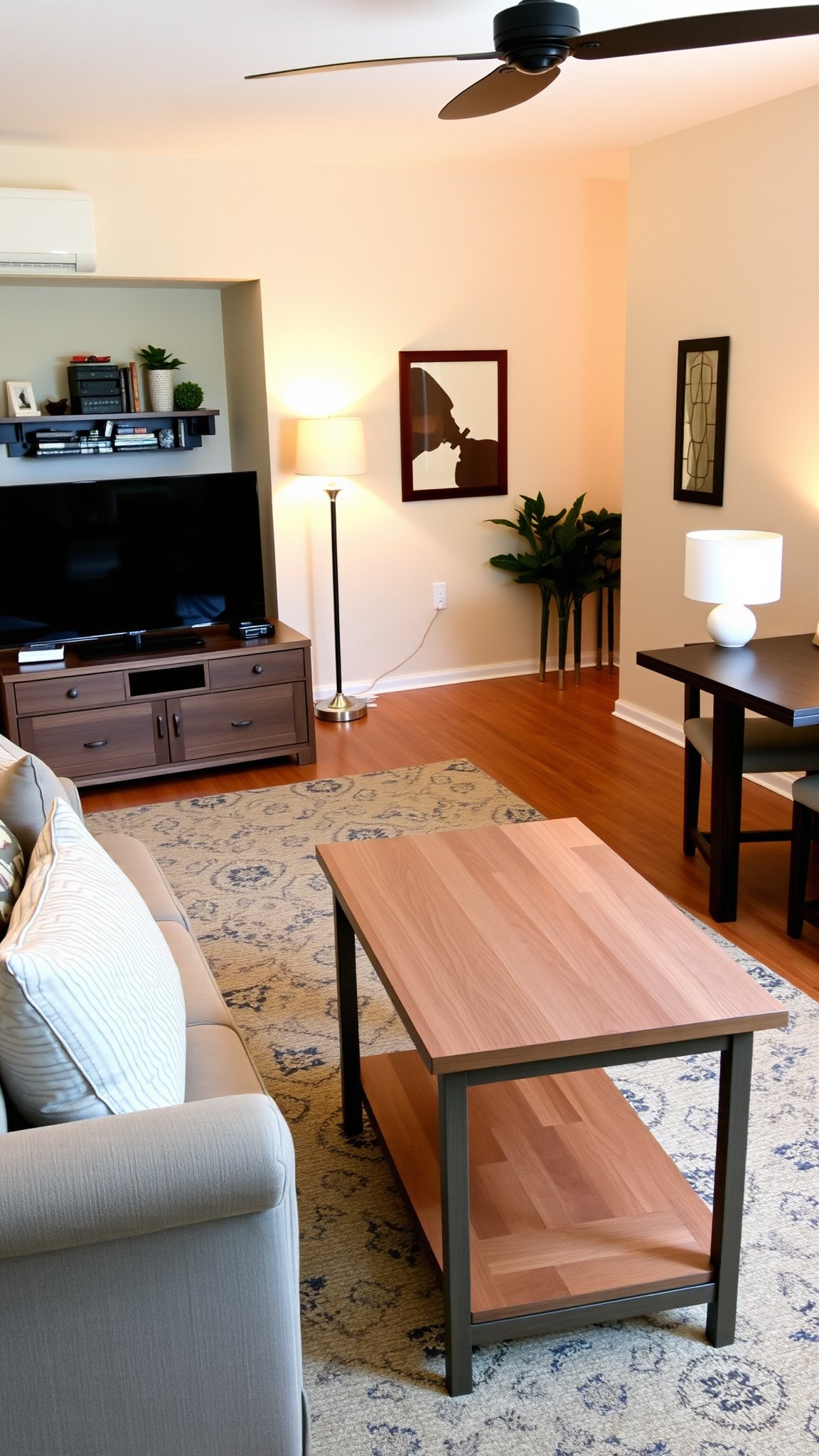
Design 6: Thoughtful Lighting for Ambiance
Lighting plays a crucial role in creating a comfortable conversation area. The right lighting can set the mood and encourage relaxation, making it easier for guests to engage in meaningful discussions.
Implementation Tips
Incorporate a mix of ambient, task, and accent lighting to create a layered effect. Table lamps and floor lamps can provide soft, inviting light, while dimmable overhead fixtures allow you to adjust brightness based on the time of day and mood. Avoid harsh lighting, which can create a sterile environment and hinder conversation.
FAQs
What is the best furniture arrangement for small spaces?
In small spaces, opt for an open layout with lightweight, multi-functional furniture. Use furniture that can be easily moved and arrange seating in a way that maximizes flow while maintaining intimacy.
How can I make a large room feel cozier for conversations?
Use area rugs to define conversation zones, incorporate soft textiles, and arrange seating in circular or angled formations. Adding warm lighting can also help create a more inviting atmosphere.
What types of seating are best for conversations?
Comfortable seating options such as sofas, armchairs, and loveseats are ideal. Look for pieces with soft cushions and supportive backs to encourage long conversations without discomfort.
Conclusion
Arranging furniture for comfortable conversations is an art that combines aesthetics with functionality. By incorporating circular arrangements, cozy nooks, open layouts, angled seating, multi-purpose furniture, and thoughtful lighting, you can create inviting spaces that foster connection and dialogue. Whether hosting a lively gathering or enjoying a quiet chat with a friend, these design tips will help you cultivate an environment that encourages meaningful interactions and creates a warm, welcoming home.