
In the world of interior design, maximizing small living spaces can be both a challenge and an opportunity for creativity. Designer furniture layouts not only enhance functionality but also elevate the aesthetic appeal of compact areas. By embracing innovative arrangements and selecting the right pieces, you can transform your small living room into a stylish haven that reflects your personality and meets your needs. Let’s explore inspiring designs that will help you make the most out of your space.
Design 1: Open Plan Living with Multifunctional Furniture
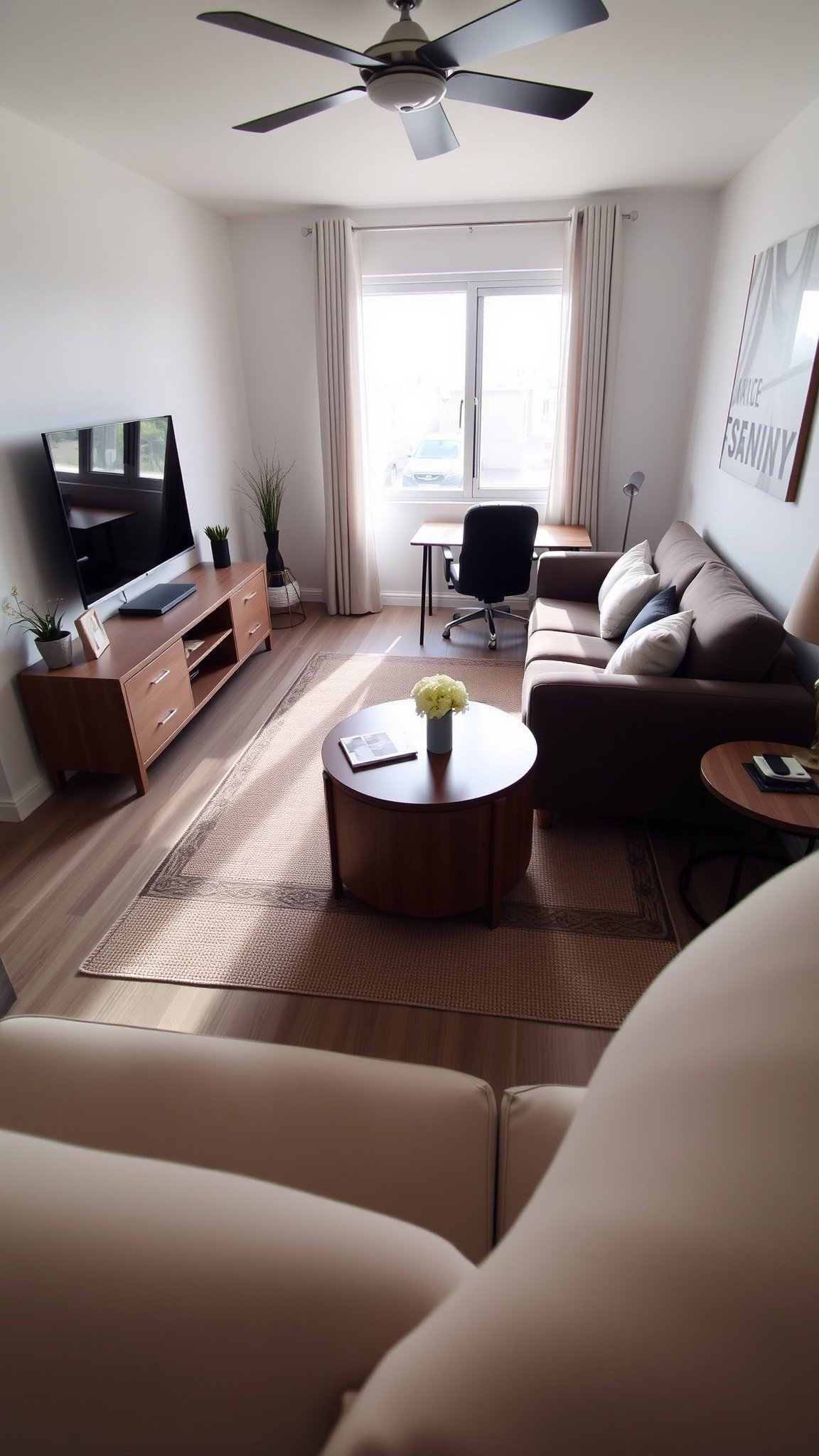
In small living spaces, an open plan layout can create an airy, expansive feel. Opt for multifunctional furniture pieces, such as a sofa bed or a coffee table with storage. This design encourages a seamless flow between areas, allowing the living room to serve various purposes.
Tips for Implementation
Choose a sleek, low-profile sofa to maintain sightlines across the room. Position it to face a wall-mounted television or a focal point like a gallery wall. Use a round coffee table to soften the lines and facilitate movement. Add a small side table that doubles as a workspace, ensuring versatility without sacrificing style.
Design 2: Cozy Nooks with Built-In Seating
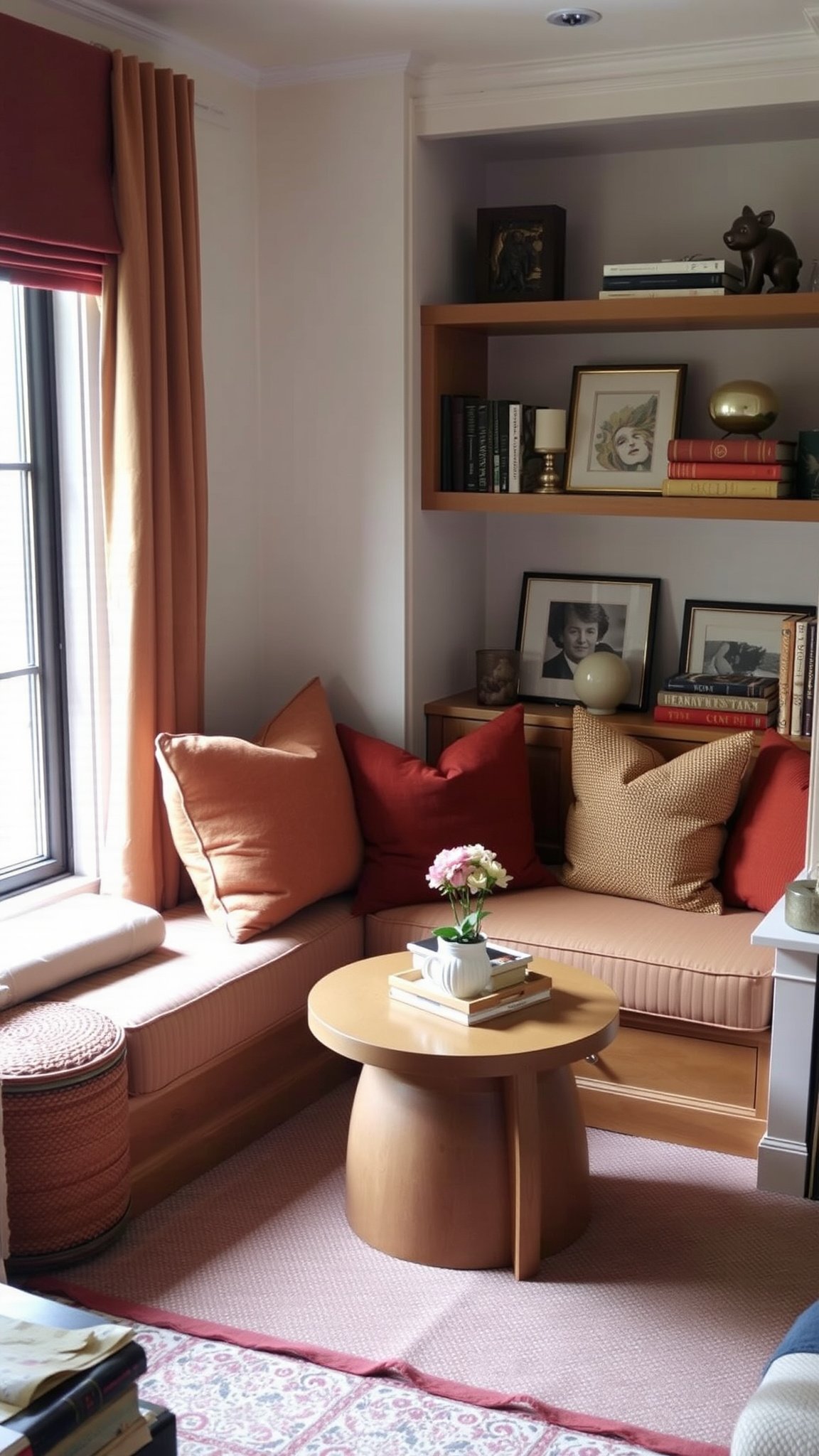
Creating a cozy nook in a small living space adds warmth and functionality. Built-in seating can maximize corners and provide extra storage while making the most out of your square footage.
Design Elements to Consider
Incorporate a built-in bench with cushions along a window or wall. This can be paired with a small, round table for a perfect reading spot or coffee corner. Use soft fabrics and warm colors to enhance comfort. Additionally, incorporate shelves above the seating to display books and decor, keeping the area visually engaging without cluttering the floor space.
Design 3: Layered Textures for Visual Interest
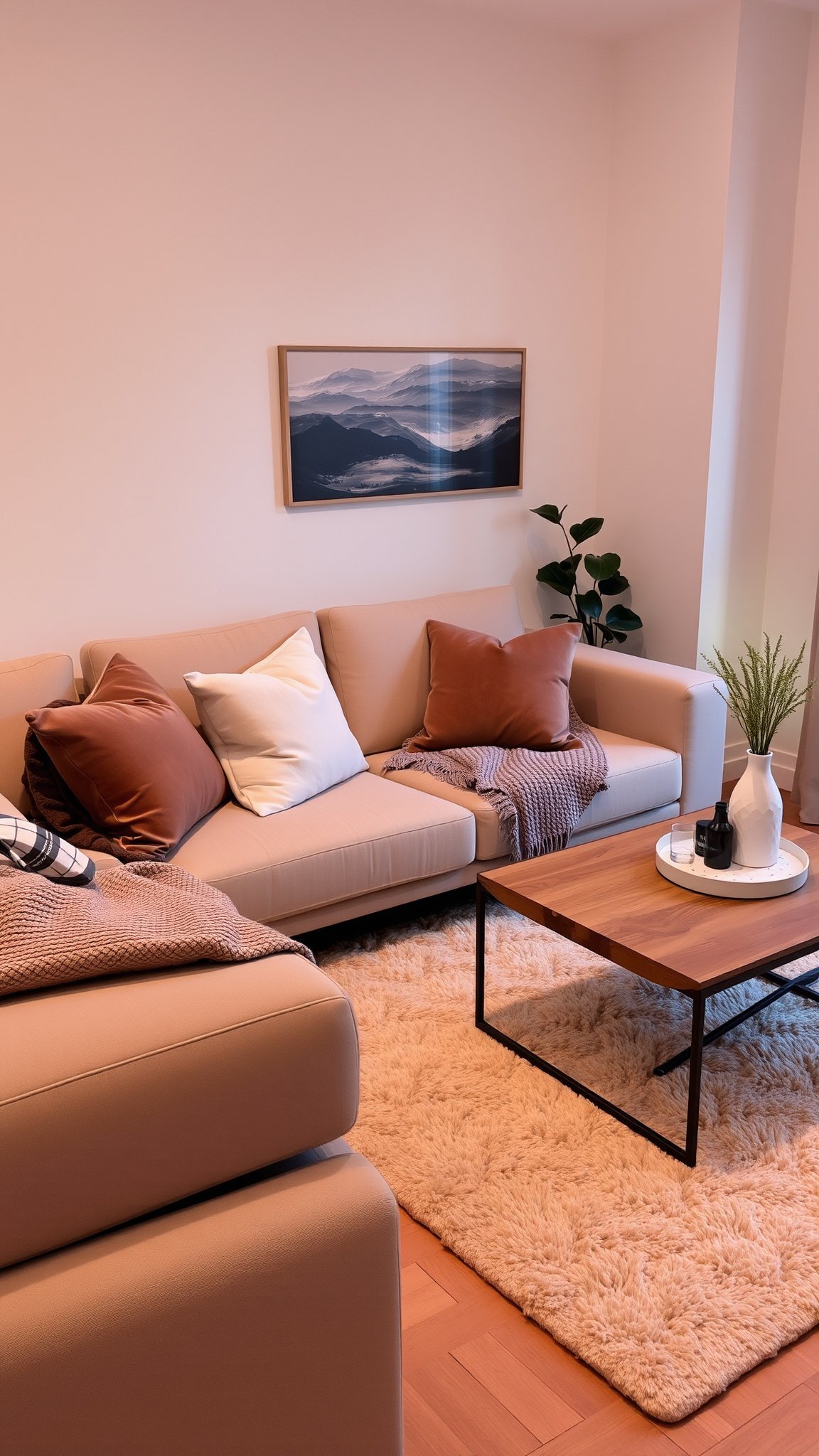
In small living areas, layering textures can create a rich, inviting atmosphere without overwhelming the space. This approach adds depth and character, making the area feel more curated and intentional.
How to Achieve This Look
Mix materials like a plush area rug, velvet throw pillows, and a knitted blanket to create a warm ambiance. Choose a neutral sofa as a base and accent it with a variety of textures. Combine a sleek coffee table with natural wood elements to balance modern and rustic styles. This layered approach allows for a visually appealing layout that draws the eye without feeling crowded.
Design 4: Vertical Arrangement for Small Spaces
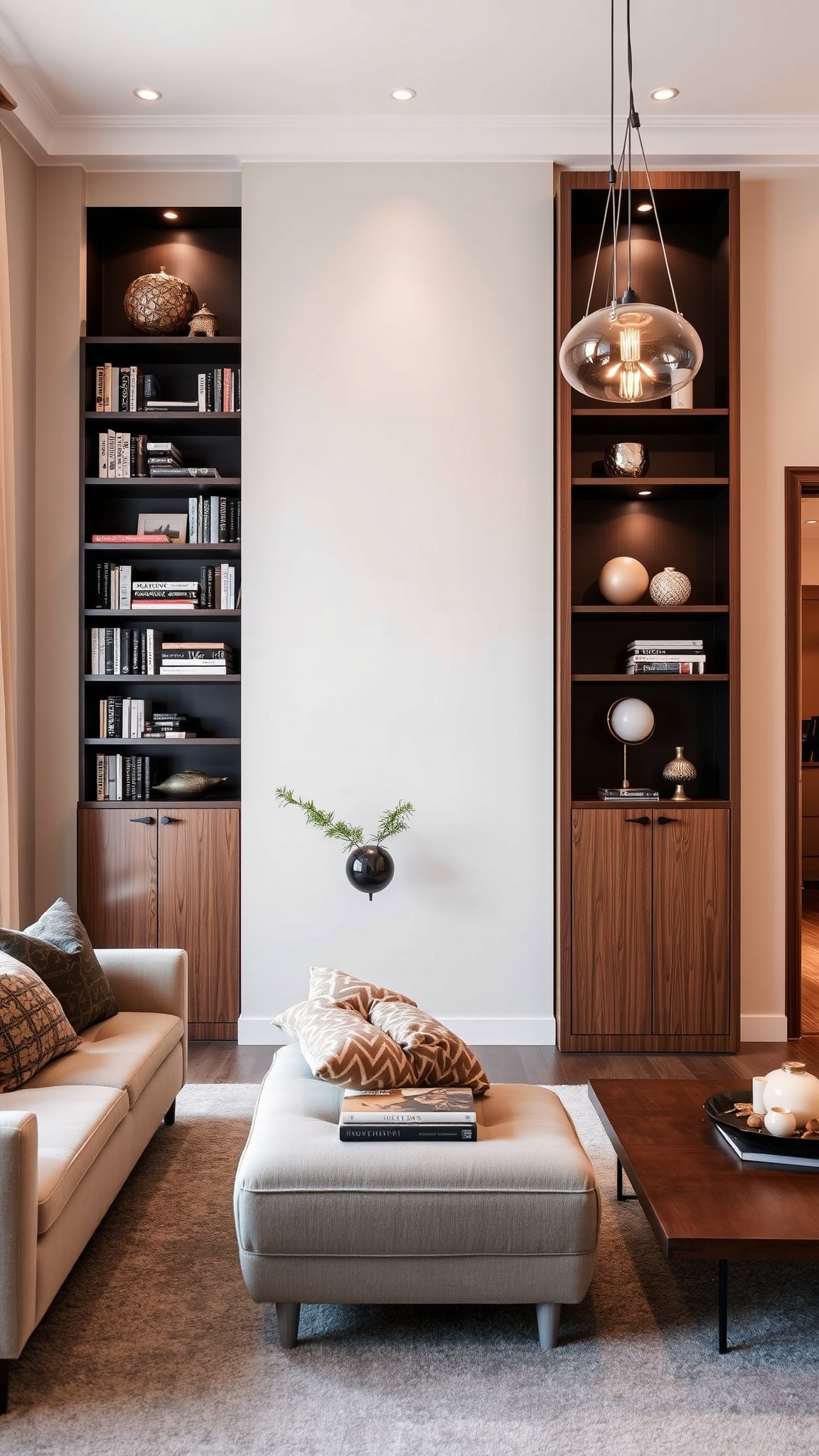
When floor space is limited, think vertically! Utilizing wall space not only frees up room but also adds an element of design sophistication. Vertical arrangements can include shelving, artwork, and even lighting fixtures.
Effective Vertical Solutions
Install wall-mounted shelves to showcase books and decorative items, drawing the eye upward and creating the illusion of higher ceilings. Use tall, slim bookcases to define the living area while maintaining openness. Incorporate hanging lights or wall sconces to save surface space and add ambient lighting, enhancing the overall atmosphere.
Design 5: Color Coordination for Cohesive Flow
Color plays a crucial role in small living spaces. A well-coordinated color palette can create a sense of unity and spaciousness, helping to visually connect different areas within the room.
Implementing a Cohesive Color Scheme
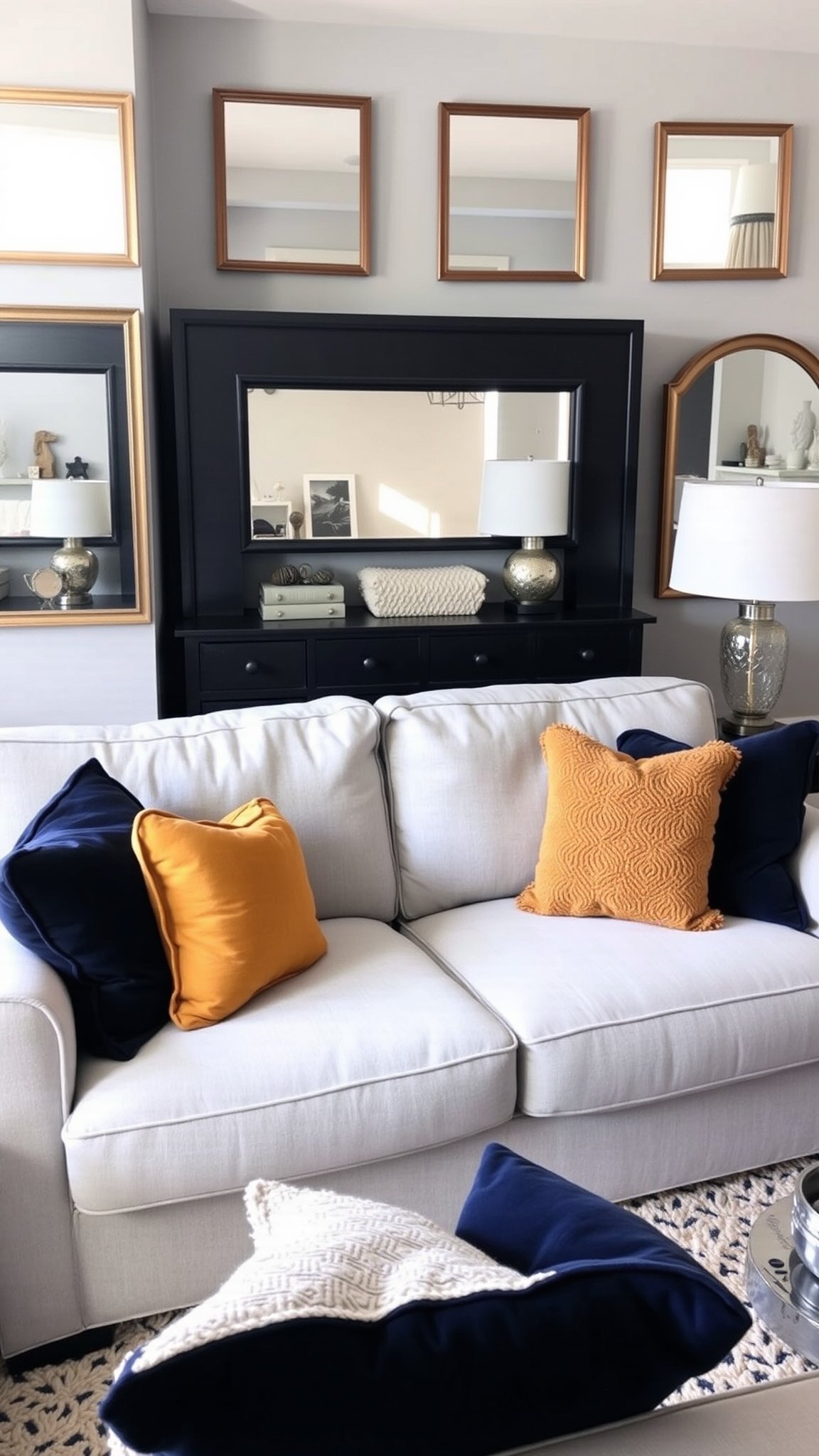
Choose a light, neutral base color for walls, then incorporate bolder accents through furniture and accessories. For example, a light gray sofa can be complemented with throw pillows in deep navy or mustard. Use similar tones throughout the room to create a harmonious flow. Additionally, consider using mirrors to reflect light and colors, making the space feel more expansive and dynamic.
Design 6: Zen Minimalism for a Serene Environment
Minimalism is not just a design trend; it’s a lifestyle that suits small living spaces perfectly. A zen approach emphasizes simplicity, clean lines, and a clutter-free environment, fostering tranquility.
Creating a Minimalist Space
Select furniture with sleek designs and avoid oversized pieces. A low-profile sofa combined with a simple coffee table creates an uncluttered look. Choose a few statement decor items, such as a large piece of art or a striking plant, to serve as focal points. Keep decor to a minimum, allowing each piece to shine and contribute to a serene atmosphere.
FAQs
What are some essential furniture pieces for small living spaces?
Key pieces include a multifunctional sofa, a coffee table with storage, and compact accent chairs. These elements provide comfort and style while maximizing space.
How can I make my small living room feel larger?
Use light colors, mirrors, and a cohesive color palette. Opt for furniture with exposed legs to create a sense of openness and avoid heavy drapes that block natural light.
Are there any specific layouts that work best for small spaces?
Layouts that promote flow and multifunctionality are ideal. Consider an L-shaped arrangement or a U-shaped setup to encourage conversation and interaction without feeling cramped.
What types of decor should I avoid in small living spaces?
Avoid oversized furniture, heavy draperies, and excessive decor items that can clutter the space. Instead, focus on streamlined pieces that enhance the overall design without overwhelming it.
Conclusion
Designer furniture layouts for small living spaces can transform your home into a stylish and functional retreat. By incorporating multifunctional pieces, optimizing vertical space, and coordinating colors, you can create a living area that feels inviting and spacious. Each style discussed offers unique solutions to common challenges, allowing you to express your personal taste while maximizing comfort and utility. Embrace these design strategies to craft a beautiful, cozy environment that inspires you every day.