
Open floor plans have become increasingly popular in modern homes, offering a sense of spaciousness and fluidity. However, the challenge often lies in creatively placing furniture to define spaces while maintaining an inviting atmosphere. Whether you’re looking to establish distinct areas for dining, lounging, or working, effective furniture placement can transform your open floor plan into a harmonious and functional living space. Let’s explore various creative strategies for furniture arrangement that will inspire your interior styling journey.
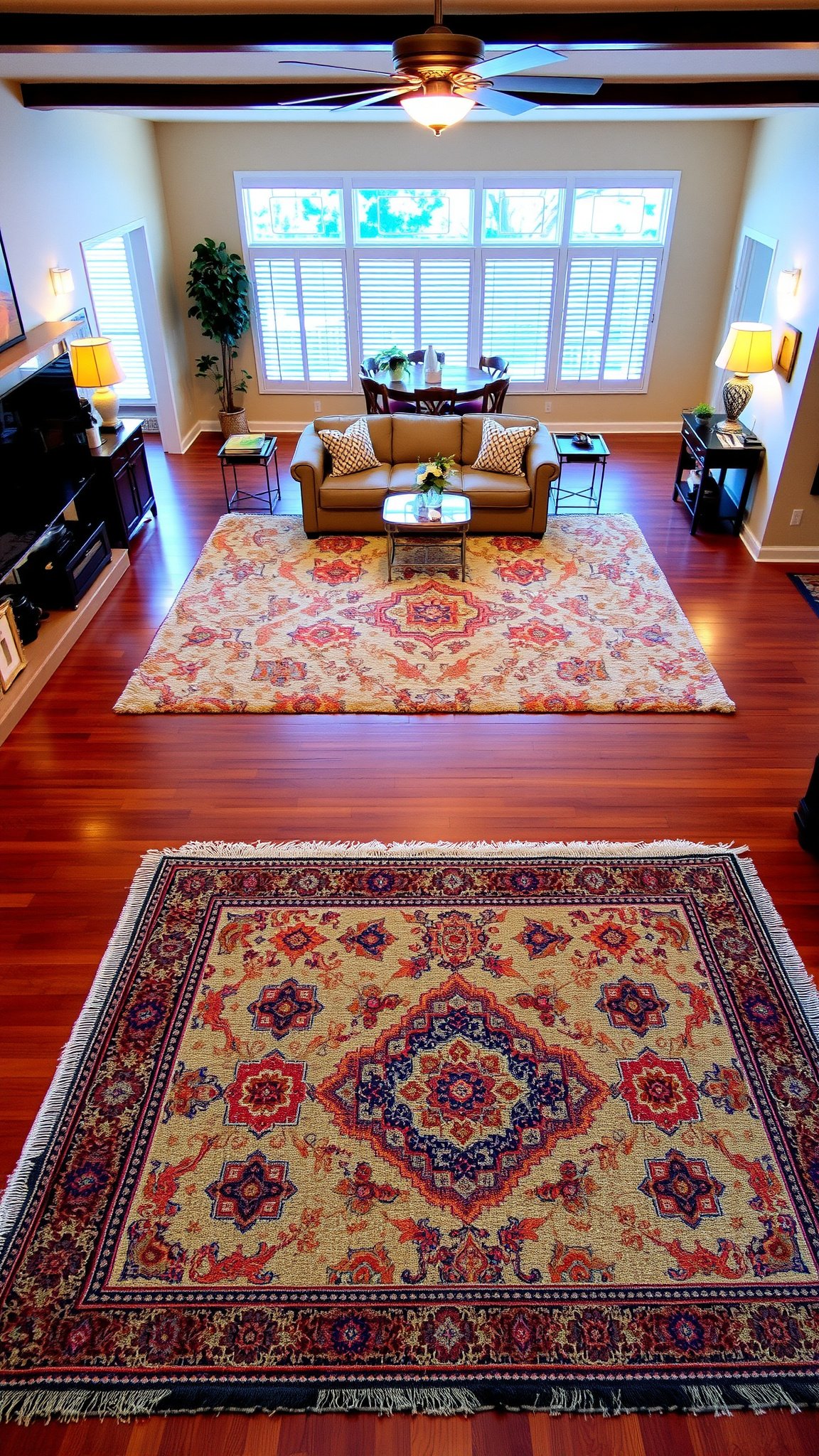
Design 1: Define Zones with Area Rugs
Using area rugs is an excellent way to delineate different functional zones within an open floor plan. A large, plush rug can anchor a living area, while a smaller, patterned rug can define a dining space. This layering creates visual boundaries without obstructing the flow of the room. Choose rugs that complement your color palette; for instance, a neutral base with colorful accents can tie together various elements.
Tip for Implementation
When positioning your furniture, ensure that at least the front legs of sofas and chairs rest on the rug. This not only grounds the furniture but also creates a cohesive look that feels intentional and inviting.
Design 2: Utilize Multi-Functional Furniture
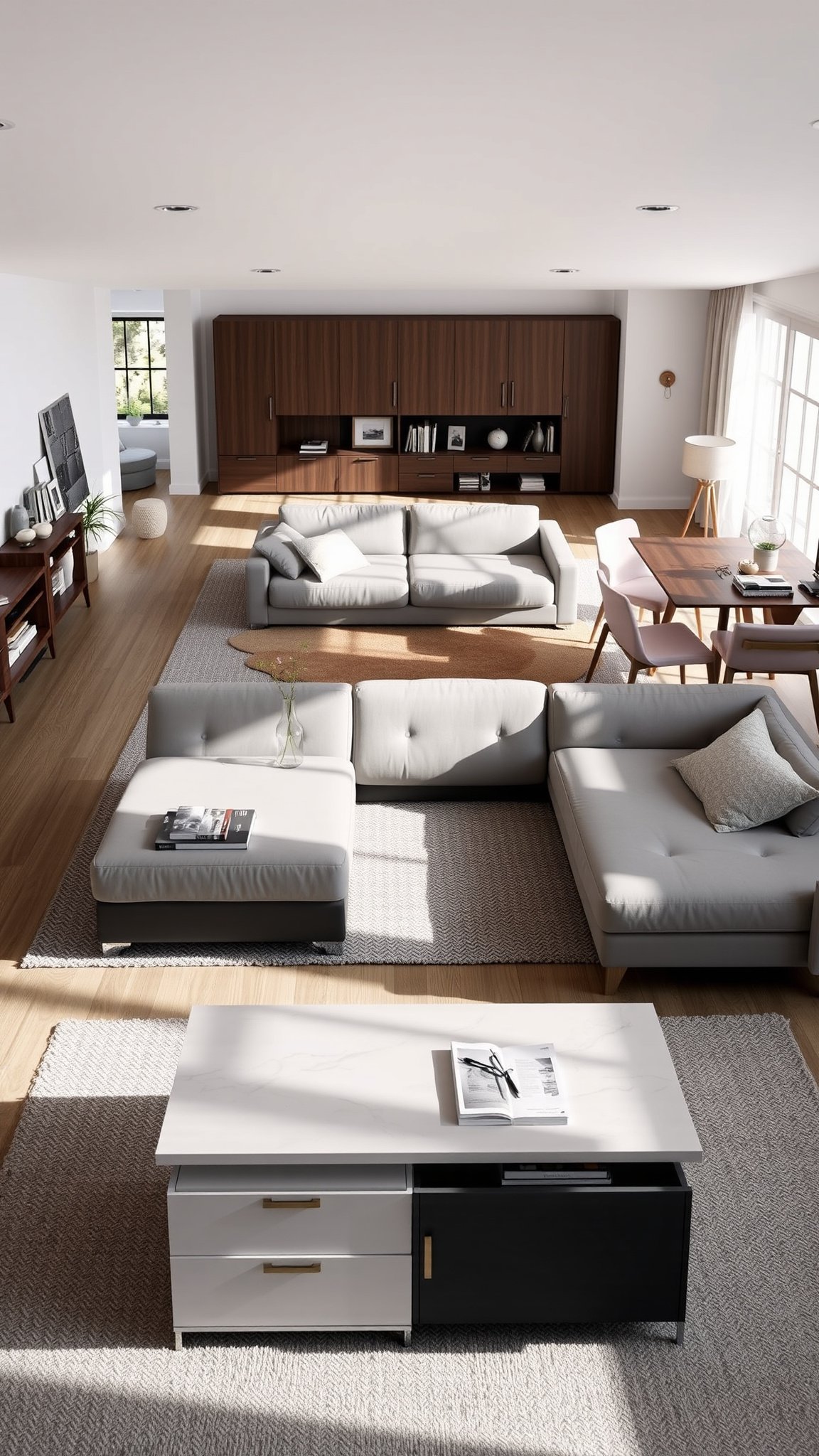
In an open floor plan, opting for multi-functional furniture can streamline your space and enhance practicality. Consider a coffee table that doubles as storage, or an ottoman that can serve as both a seat and a footrest. This approach maximizes space without compromising on style.
Examples to Consider
For instance, a sleek sofa bed can provide both seating and sleeping accommodations, making it ideal for entertaining guests. Similarly, a dining table with extendable leaves can adapt to different occasions, from casual meals to family gatherings.
Design 3: Create Visual Pathways with Furniture Arrangement
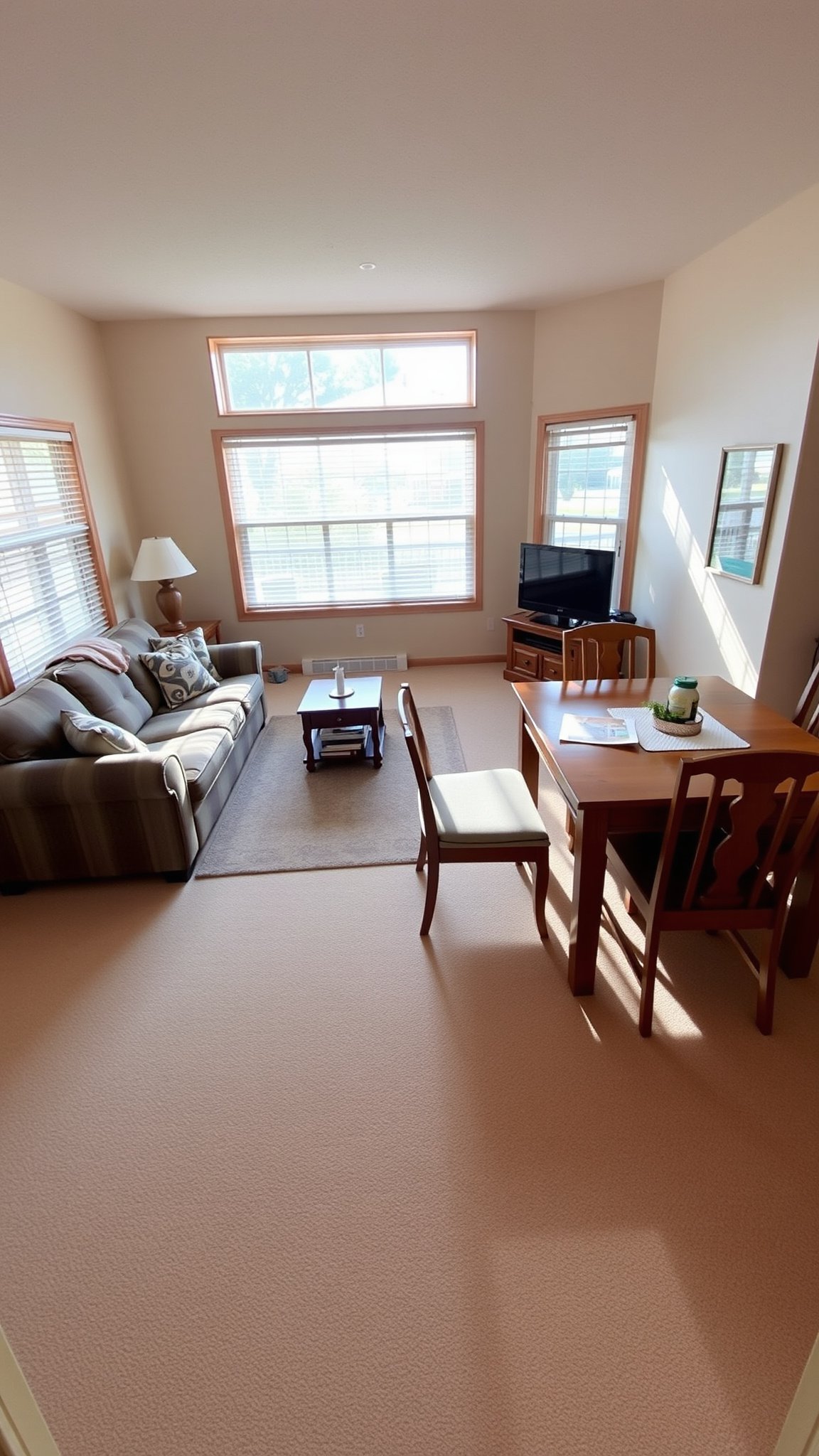
Strategic furniture placement can create natural pathways that enhance the flow of movement throughout your open space. By arranging furniture to guide the eye and feet, you foster a sense of organization. For example, placing the sofa parallel to the dining table can create a clear line of sight and movement.
Practical Arrangement Tips
To achieve this, consider leaving at least two to three feet of space between major pieces of furniture. This not only allows for easy navigation but also makes the space feel more open and inviting.
Design 4: Emphasize Vertical Space with Tall Furniture
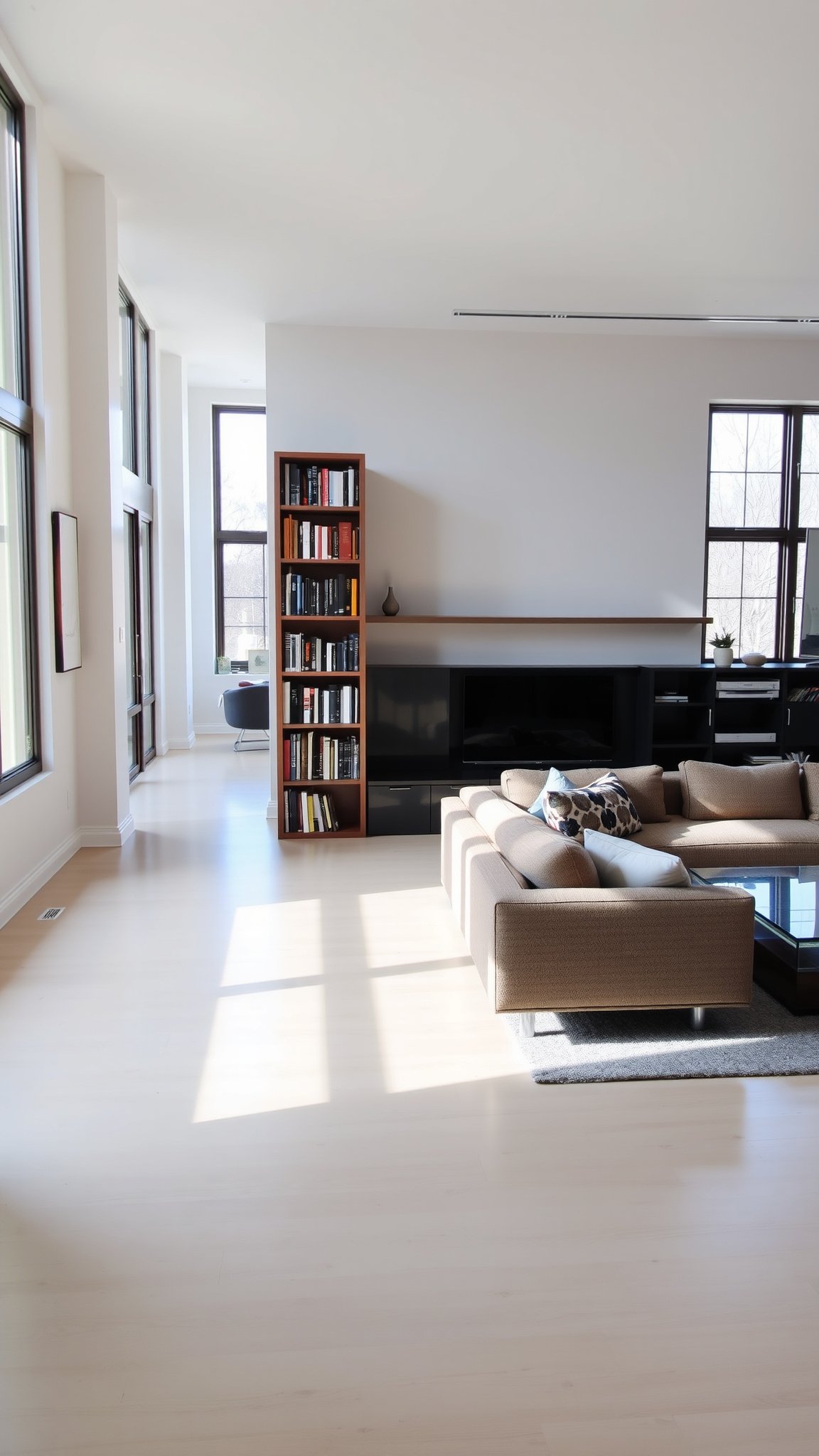
In open floor plans, drawing the eye upward can create a sense of grandeur and dimension. Incorporating tall furniture pieces, such as bookshelves or cabinets, can help define vertical space while providing functional storage. Additionally, consider using wall-mounted shelves to keep the floor area clear.
Styling Ideas
For a cohesive look, align tall furniture with shorter pieces to create visual balance. A tall bookshelf beside a low-profile sofa can enhance the height contrast, adding depth to the room’s design.
Design 5: Focus on Lighting as a Design Element
Lighting plays a crucial role in open floor plans, helping to define areas and set the mood. Utilize a combination of ambient, task, and accent lighting to create layers of illumination throughout the space. Pendant lights above the dining table can visually separate it from the living area, while floor lamps can enhance the seating area.
Layering Light Effectively
For best results, choose lighting fixtures that reflect your style. A modern chandelier can serve as a statement piece, while softer, adjustable lighting can create a cozy atmosphere during evenings. Be mindful of the height at which you hang fixtures to maintain an open feel.
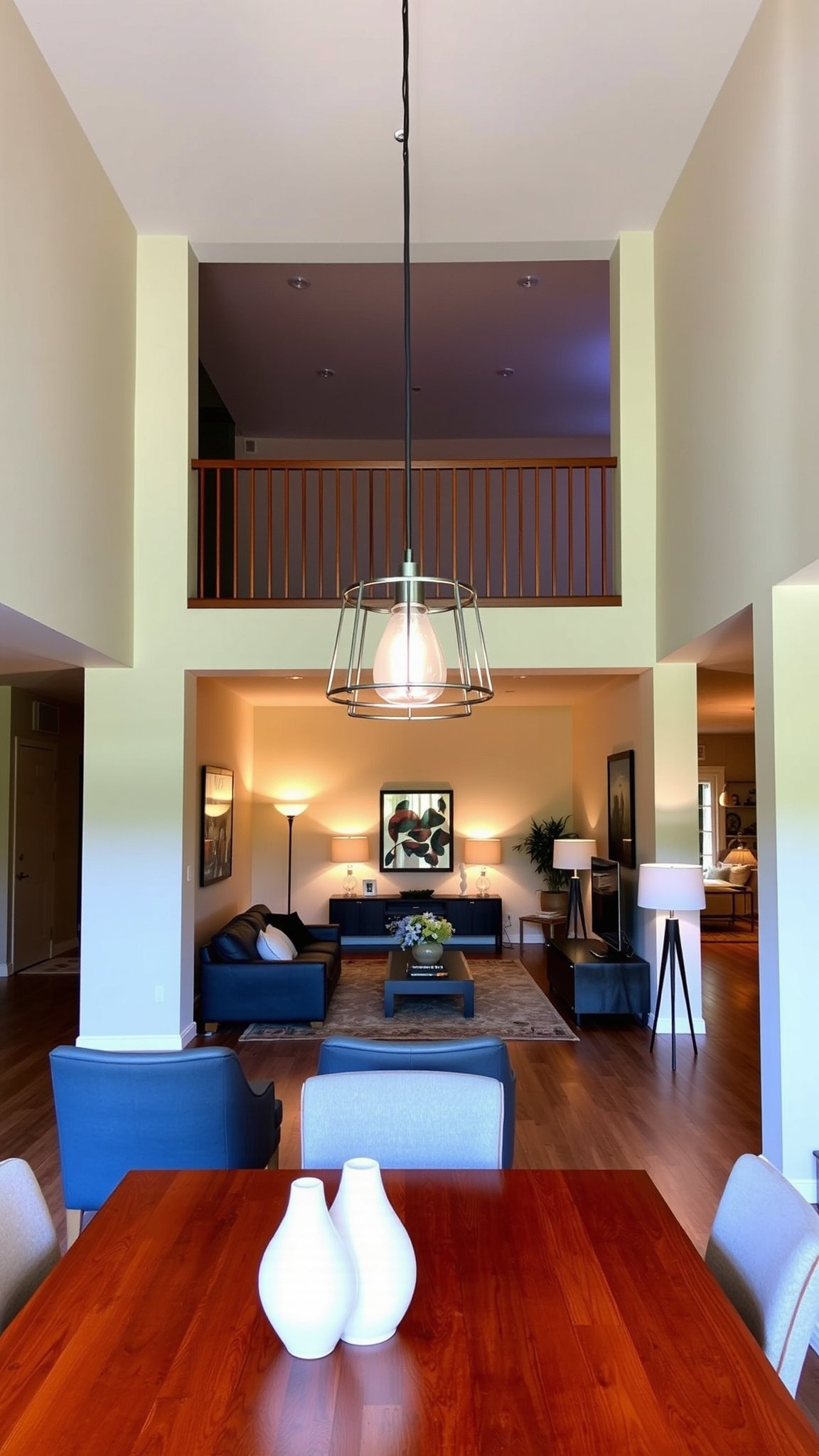
Design 6: Incorporate Natural Elements for a Warm Feel
Bringing in natural elements can enhance the comfort and warmth of an open floor plan. Incorporating wooden furniture, plants, and organic textiles can soften the overall design and create a welcoming atmosphere. For example, a reclaimed wood dining table paired with upholstered chairs can create an inviting dining area.
Choosing Natural Decor
Consider using plants to add life to your space. Tall plants can act as natural dividers, subtly separating areas without overwhelming the openness of the floor plan. Choose pots that align with your overall color scheme to maintain a cohesive look.
FAQs
What is the best way to separate spaces in an open floor plan?
The best way to separate spaces is by using area rugs, furniture arrangements, and lighting to create visual boundaries. This allows for a fluid layout while still defining distinct areas.
How can I make my open floor plan feel cozier?
To make your open floor plan feel cozier, incorporate warm colors, layered textiles, and soft lighting. Use multi-functional furniture to keep the space uncluttered and inviting.
What furniture should I avoid in an open floor plan?
Avoid bulky or oversized furniture that can overwhelm the space. Instead, opt for streamlined pieces that offer functionality without sacrificing flow.
How do I choose a color scheme for an open floor plan?
Choose a cohesive color scheme that complements the overall style of your home. Use a balance of neutral tones with pops of color for interest and to connect different areas of your open space.
Conclusion
Creative furniture placement in an open floor plan is essential for achieving a stylish and functional living space. By defining zones with rugs, utilizing multi-functional furniture, and incorporating natural elements, you can create a harmonious environment that feels both spacious and inviting. Embrace these design strategies to transform your open floor plan into a beautiful home that suits your lifestyle.