
Styling your living room can be an exciting yet daunting task, as it is often the heart of your home where family and friends gather. However, many people make common furniture styling mistakes that can hinder the overall aesthetic and functionality of the space. From choosing the wrong furniture scale to neglecting the importance of layout, these missteps can turn a cozy living area into a cluttered or uncomfortable environment. In this article, we will explore these common mistakes and how to avoid them, providing you with tips to create a stylish and inviting living room.
Choosing the Wrong Scale of Furniture
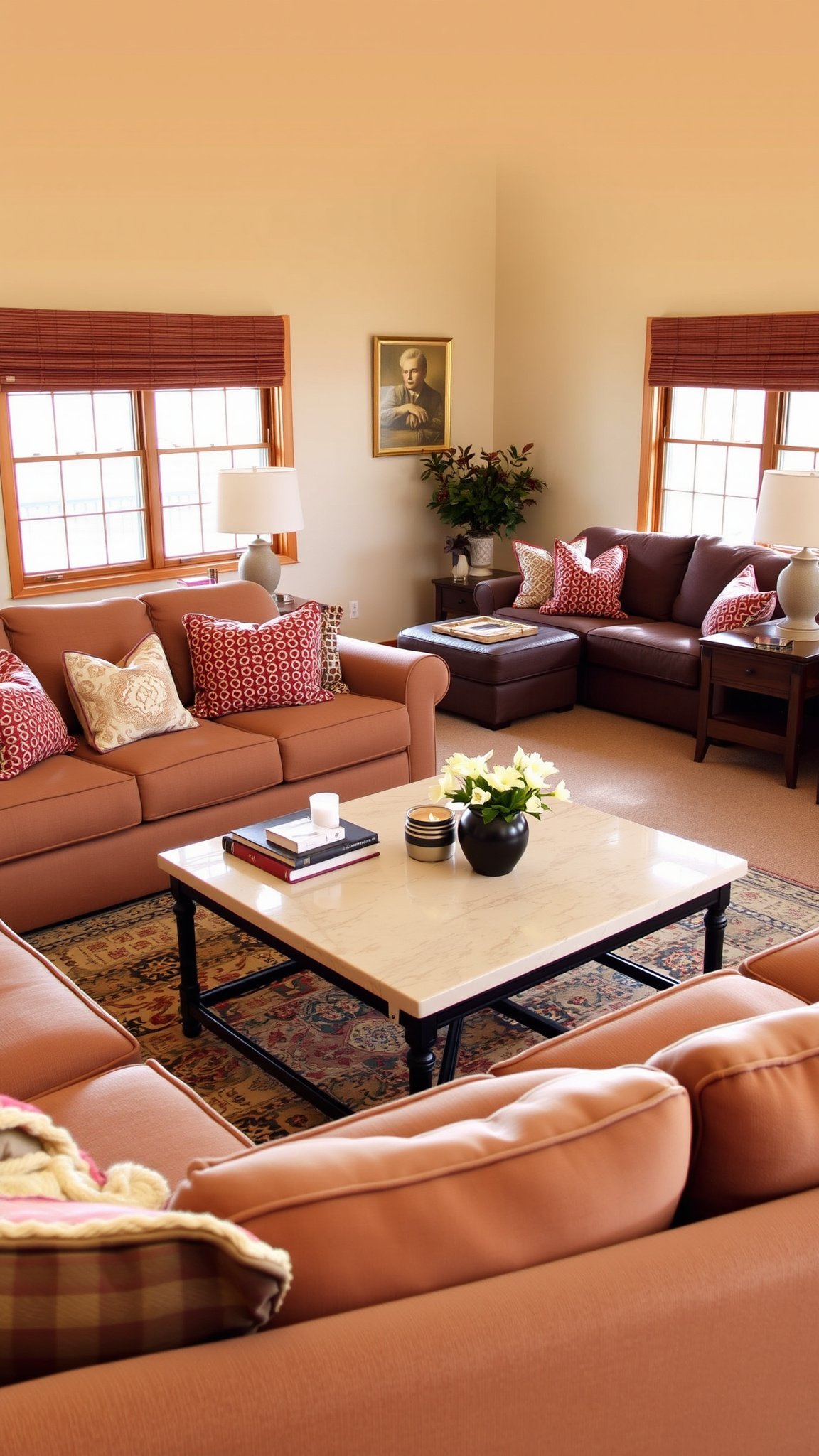
One of the most frequent errors in living room styling is selecting furniture that does not fit the scale of the space. Oversized furniture can make a room feel cramped, while too-small pieces may seem lost in the area. To achieve the right balance, measure your space and consider the proportions of each piece.
Tips for Selecting the Right Scale
When shopping for furniture, visualize how each piece will interact with the dimensions of your living room. For instance, a large sectional may be perfect for a spacious area but can overwhelm a smaller room. Conversely, a petite loveseat may be suitable for a cozy nook, but it may not provide enough seating for larger gatherings. Aim for a mix of sizes to create visual interest and ensure that each piece complements the others.
Neglecting the Importance of Layout
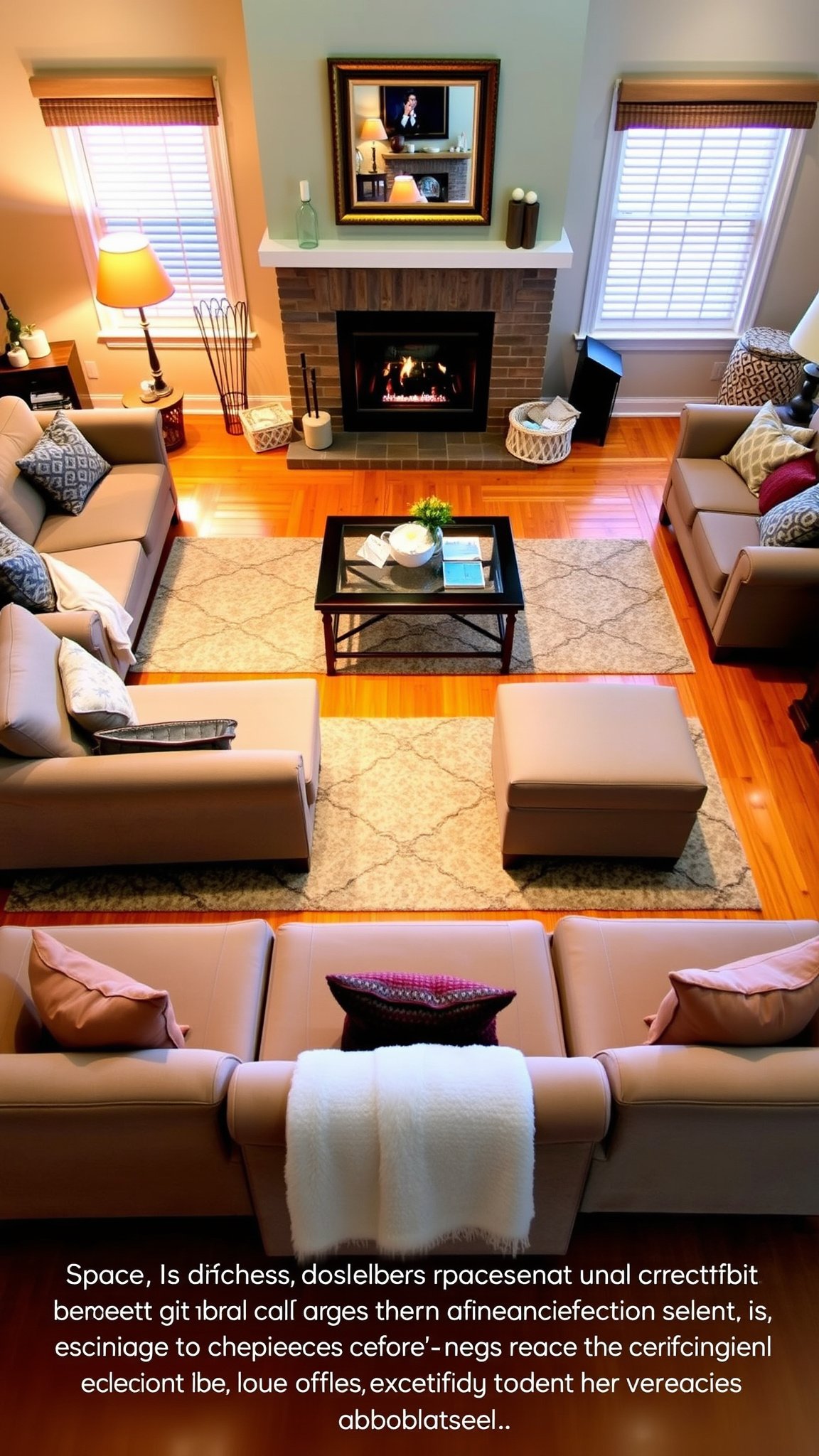
Another common mistake is overlooking the layout of furniture within the living room. A poorly arranged space can disrupt flow and make it difficult for guests to move around comfortably. A thoughtful layout encourages conversation and creates a welcoming atmosphere.
Creating a Functional Layout
To create an effective layout, start by identifying the focal point of the room, such as a fireplace or television. Arrange your seating around this focal point, ensuring that there is enough space for people to navigate. Ideally, leave 18-24 inches between furniture pieces to allow for easy movement. Consider using area rugs to define separate seating areas, especially in larger living rooms.
Overcrowding the Space
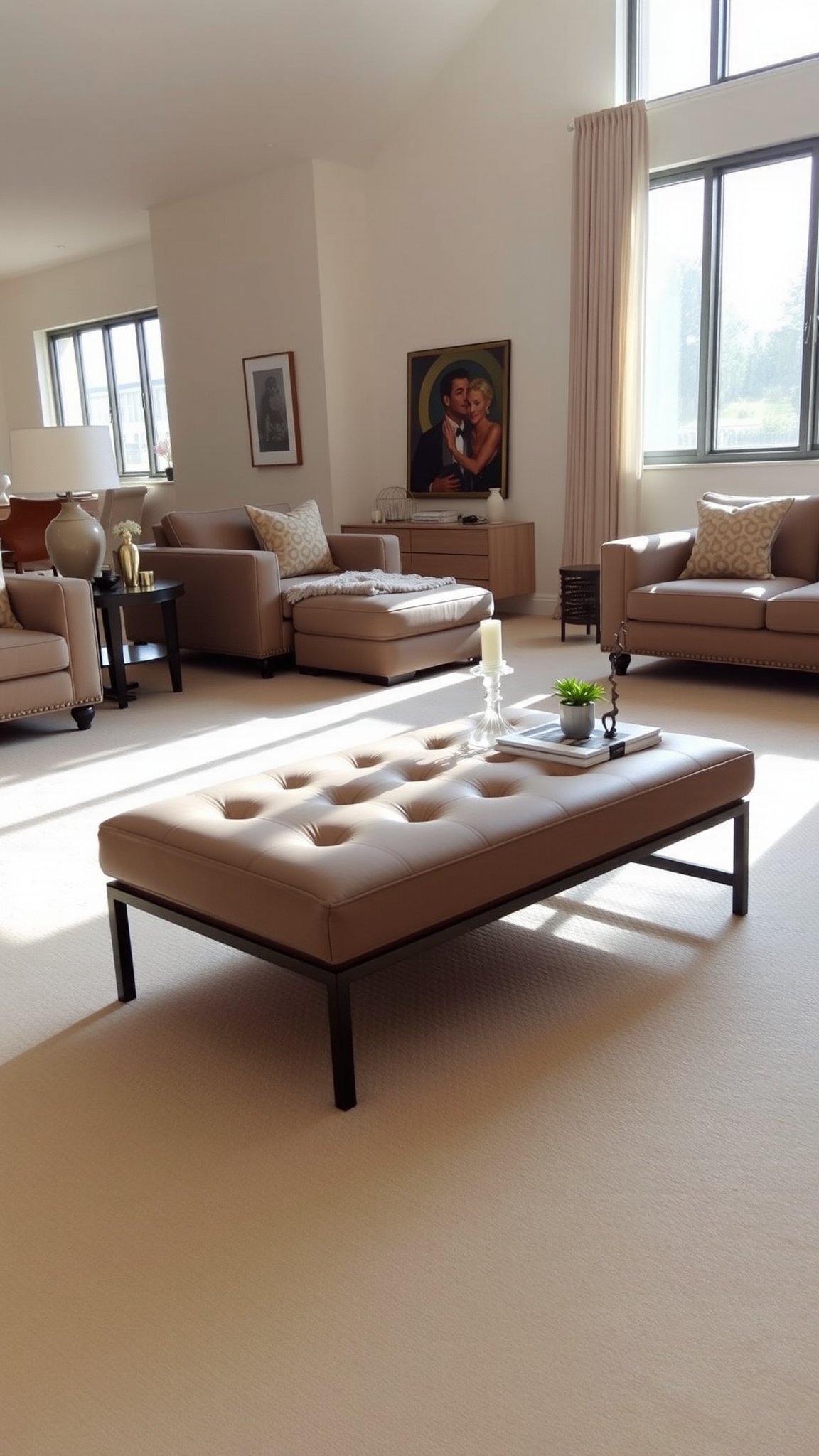
Overcrowding your living room with too much furniture and decor can create a chaotic and uncomfortable environment. While it may be tempting to fill every corner with pieces you love, less is often more when it comes to styling.
Finding the Right Balance
To strike a balance, focus on key furniture pieces that serve multiple functions. For instance, an ottoman can double as a coffee table and additional seating. When styling, leave some empty space to allow the room to breathe. This will make it feel more open and inviting. Aim for a few carefully curated decor items rather than overloading shelves and surfaces.
Ignoring Proper Lighting
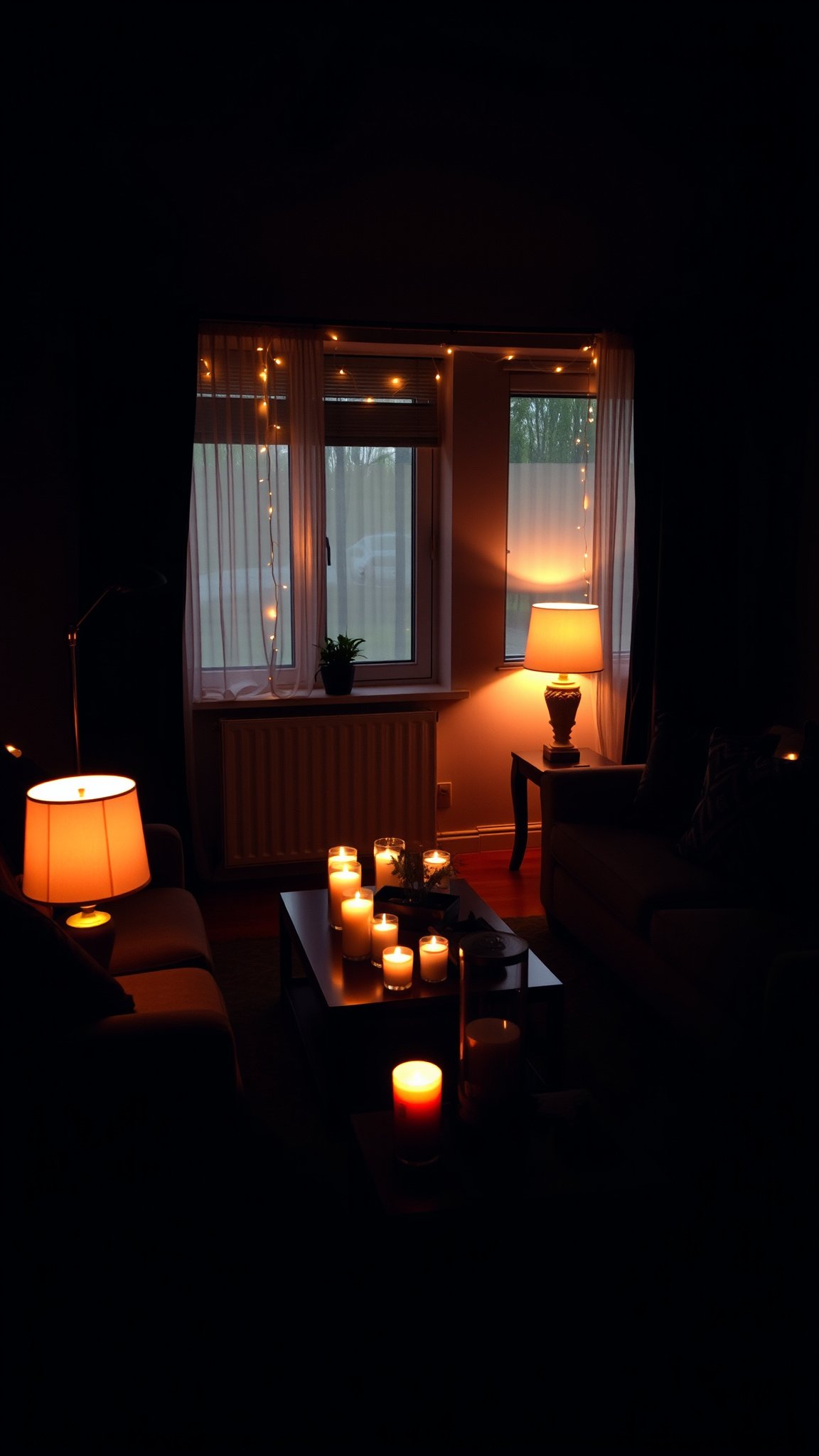
Lighting is a crucial element of any living room design, yet it is often overlooked. Relying solely on overhead lighting can create harsh shadows and an unwelcoming ambiance. A well-lit room should incorporate multiple sources of light to create depth and warmth.
Layering Your Lighting
To achieve a well-lit space, incorporate ambient, task, and accent lighting. Use floor lamps or table lamps to provide warm, inviting light for reading or relaxing. Additionally, consider adding dimmer switches to control the brightness based on the time of day or occasion. String lights or decorative candles can also add a cozy touch to your living room.
Forgetting About Color and Texture
Color and texture play a vital role in creating a cohesive and stylish living room. A common mistake is sticking to a single color palette or texture, which can make the space feel flat and uninspired.
Incorporating Color and Texture
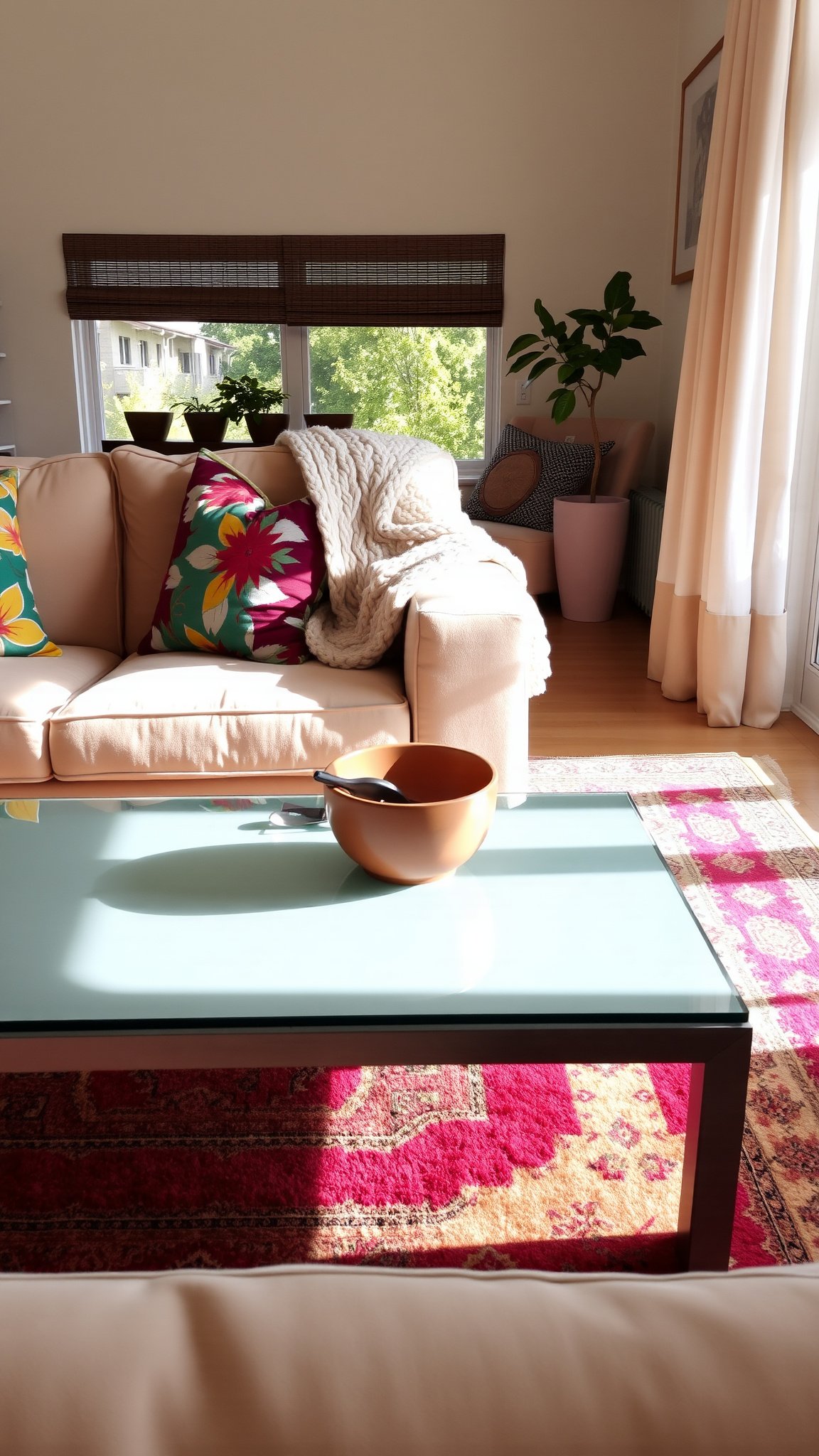
To enhance the visual interest of your living room, mix different colors and textures. For example, pair a soft velvet sofa with a chunky knit throw and a sleek glass coffee table. Consider using accent pillows and rugs to introduce pops of color. Aim for a harmonious blend that reflects your personal style while maintaining balance throughout the space.
FAQs
What is the best way to choose a color palette for my living room?
Start by selecting a base color that you love, then choose two to three accent colors that complement it. Consider using swatches or paint samples to see how colors work together in your space.
How can I make my living room feel larger?
To create the illusion of a larger space, use light colors on walls and furniture, incorporate mirrors to reflect light, and choose furniture with exposed legs to create an airy feel.
What are some multifunctional furniture ideas for small living rooms?
Consider using a sofa bed for guests, a storage ottoman for extra seating and storage, or a coffee table with built-in shelves to maximize space and functionality.
Conclusion
Avoiding common living room furniture styling mistakes is essential for creating a beautiful, comfortable, and stylish home. By carefully considering the scale of your furniture, the layout of the space, and the balance of decor, you can create an inviting atmosphere that reflects your unique style. Remember to layer your lighting and incorporate color and texture for a visually appealing result. With these tips, your living room will become a welcoming focal point for both you and your guests.