
Choosing the right furniture scale for small rooms can be a daunting task, but it’s essential for creating a space that feels comfortable and functional. The right-sized furniture not only enhances the aesthetic appeal but also ensures that the room doesn’t feel cramped or cluttered. Whether you are outfitting a cozy apartment or a compact house, understanding how to select furniture that complements the scale of your space will lead to a beautifully styled room that feels welcoming and inviting. This guide will provide you with practical tips and inspiration to make informed decisions about your furniture choices.
Understanding Furniture Scale
Furniture scale refers to the size of the furniture in relation to the size of the room. When it comes to small spaces, it’s crucial to consider both the dimensions of the furniture and the layout of the room to maintain a harmonious balance.
Proportions Matter
When selecting furniture for small rooms, start by measuring the space accurately. Consider the height, width, and depth of each piece. Choose furniture that is proportional to the room; for example, avoid oversized sofas in a tiny living room. Instead, a sleek loveseat or a compact sofa can provide comfort without overwhelming the space.
Visual Weight
In addition to physical dimensions, think about the visual weight of the furniture. Light-colored or transparent furniture, such as glass tables or acrylic chairs, can create an illusion of more space. Conversely, heavy, dark pieces can make a room feel smaller and more confined.
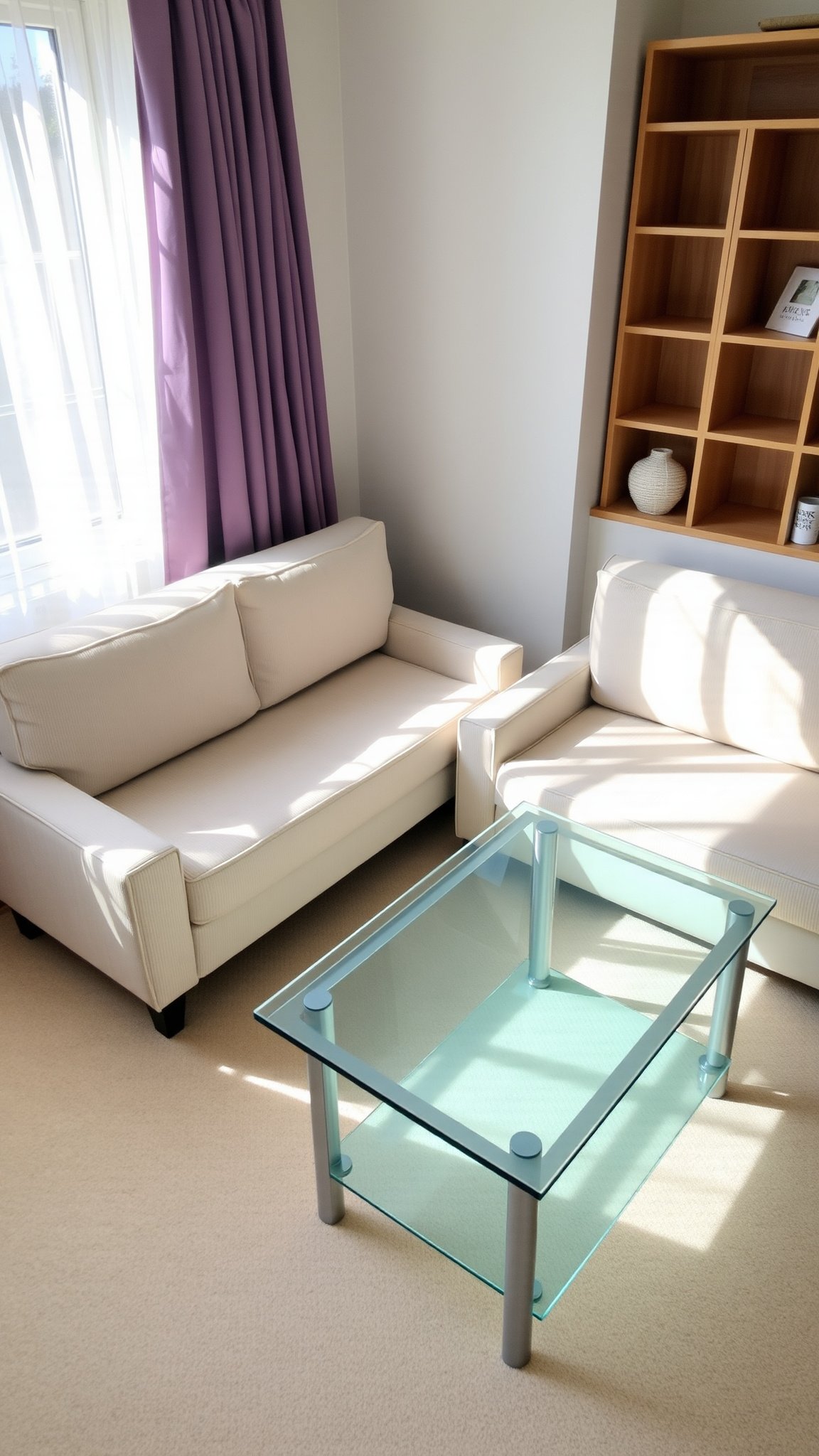
Design 1: Multi-Functional Furniture
In small rooms, furniture that serves multiple purposes can be a game-changer. Opt for a coffee table that doubles as a storage unit or a bed that includes drawers. This not only maximizes space but also keeps the room organized and clutter-free.
Examples of Multi-Functional Pieces
A sofa bed is an excellent choice for small living areas, allowing you to host guests without sacrificing space. Similarly, an ottoman with storage can act as both a footrest and a place to tuck away blankets or magazines.
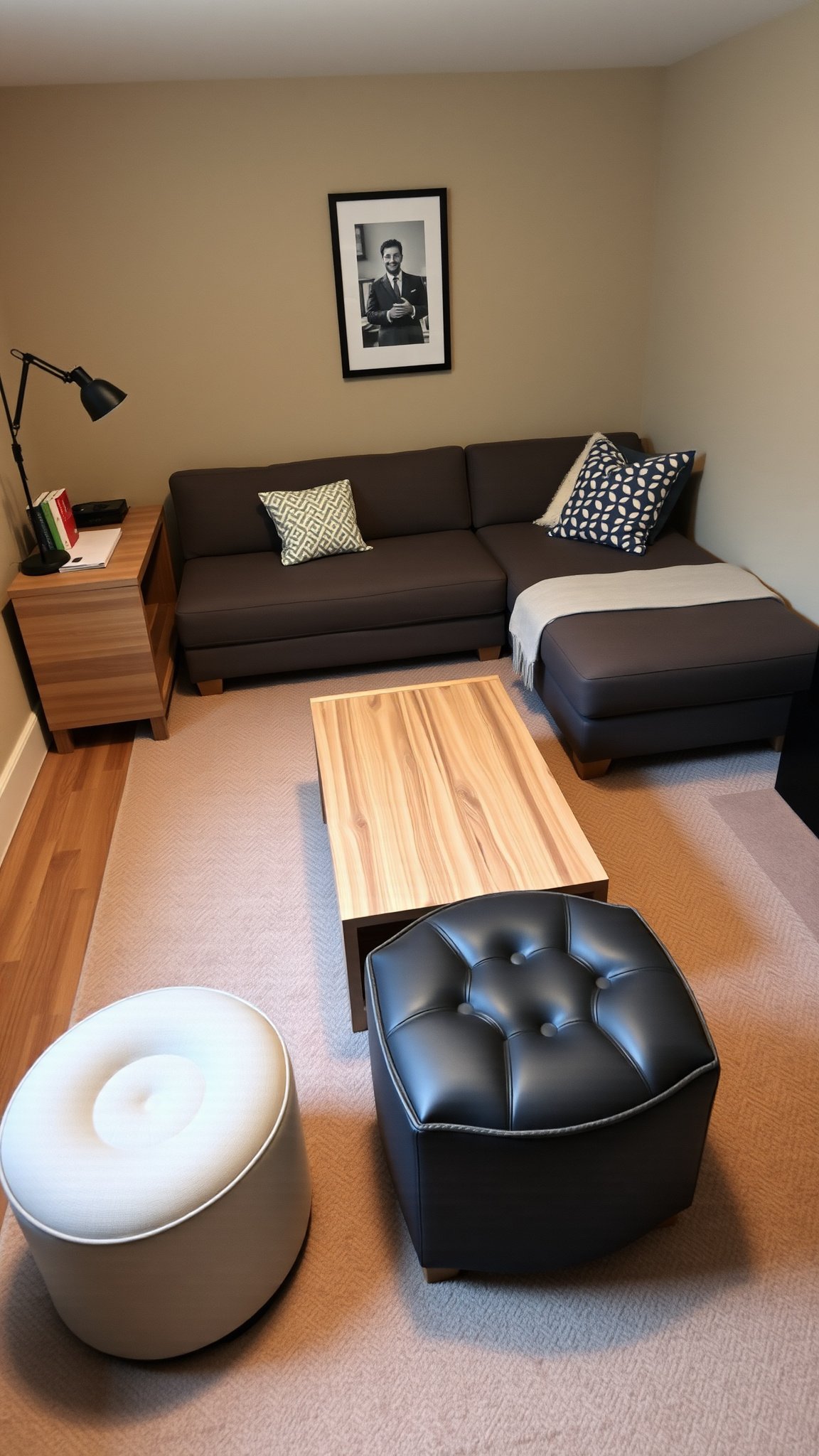
Design 2: Light and Airy Color Palettes
Selecting the right color palette is vital in small rooms. Light and airy colors create a sense of openness and help the room feel larger. Soft whites, pastels, and light grays can enhance natural light and make the space feel inviting.
Applying Color Strategically
When choosing furniture, consider lighter fabrics for sofas and chairs. For instance, a pale linen sofa paired with light wood accents can create a serene atmosphere. Add a few colorful accessories, like throw pillows or artwork, to add personality without overwhelming the space.
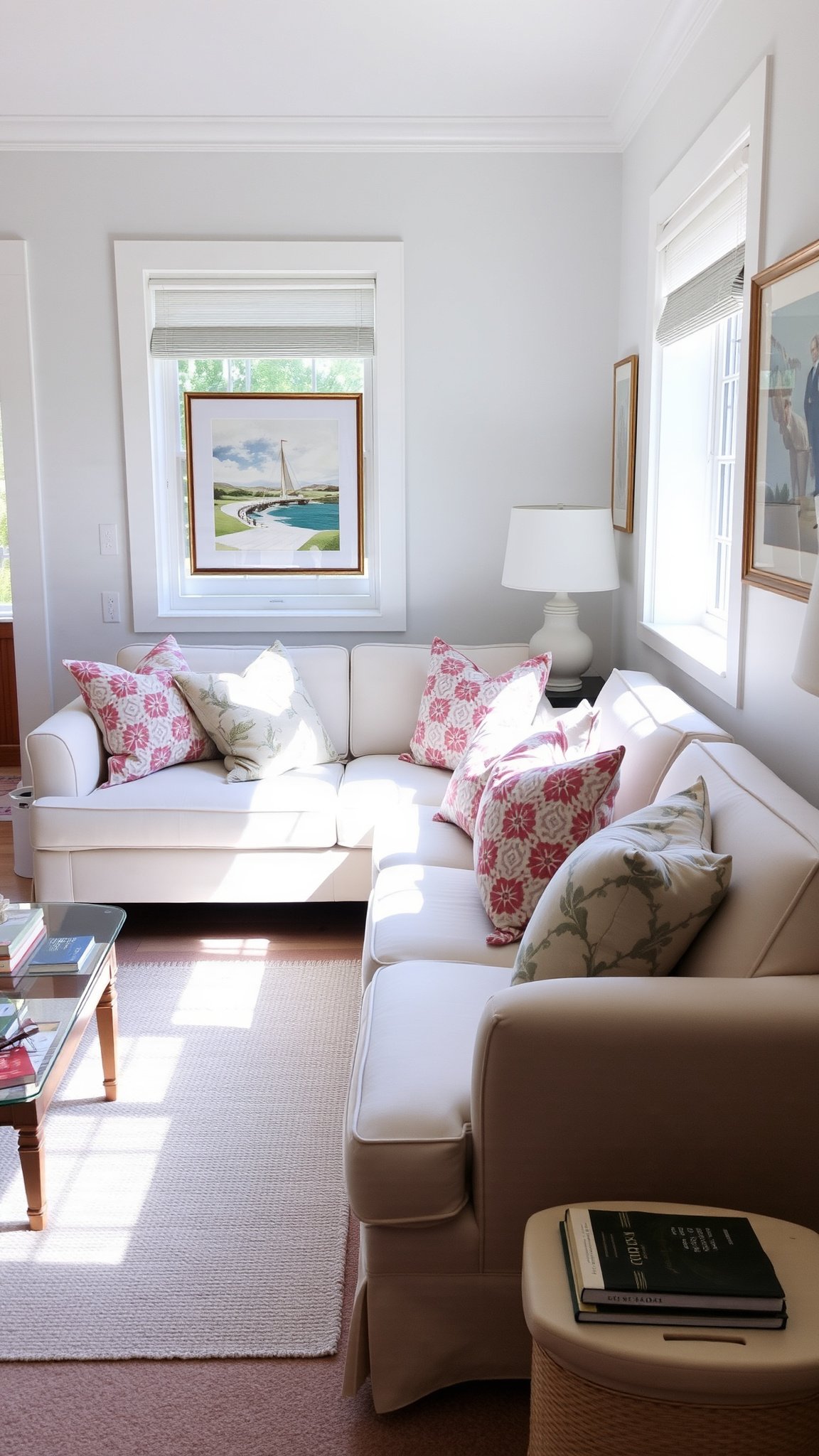
Design 3: Minimalist Approach
Adopting a minimalist approach can work wonders in small rooms. By reducing the number of furniture pieces and decorative elements, you create a clean and open space that feels larger and more organized.
Implementing Minimalism
Focus on essential furniture pieces, such as a streamlined bed and a simple nightstand. Avoid excessive decor and choose a few statement pieces that resonate with your style. This strategy emphasizes functionality while maintaining an uncluttered look.
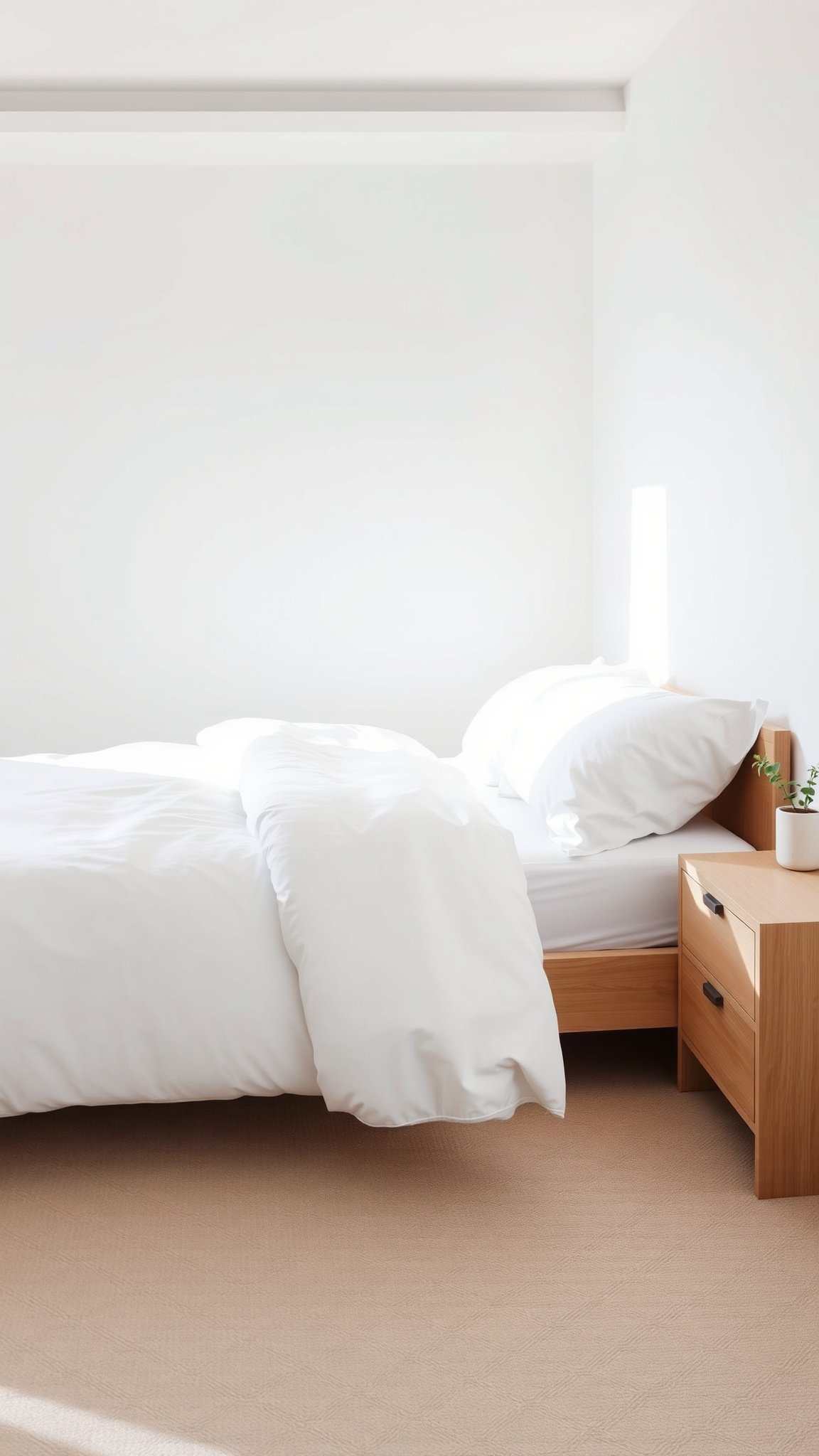
Design 4: Layered Lighting
Lighting can significantly impact the perception of space in small rooms. Layered lighting, which includes ambient, task, and accent lighting, can enhance the room’s overall feel and functionality.
Lighting Strategies
Incorporate a mix of light sources, such as floor lamps, table lamps, and overhead fixtures. For example, using a pendant light above a small dining table can draw the eye upward, creating the illusion of higher ceilings. Additionally, wall-mounted sconces can save valuable floor space while providing essential lighting.
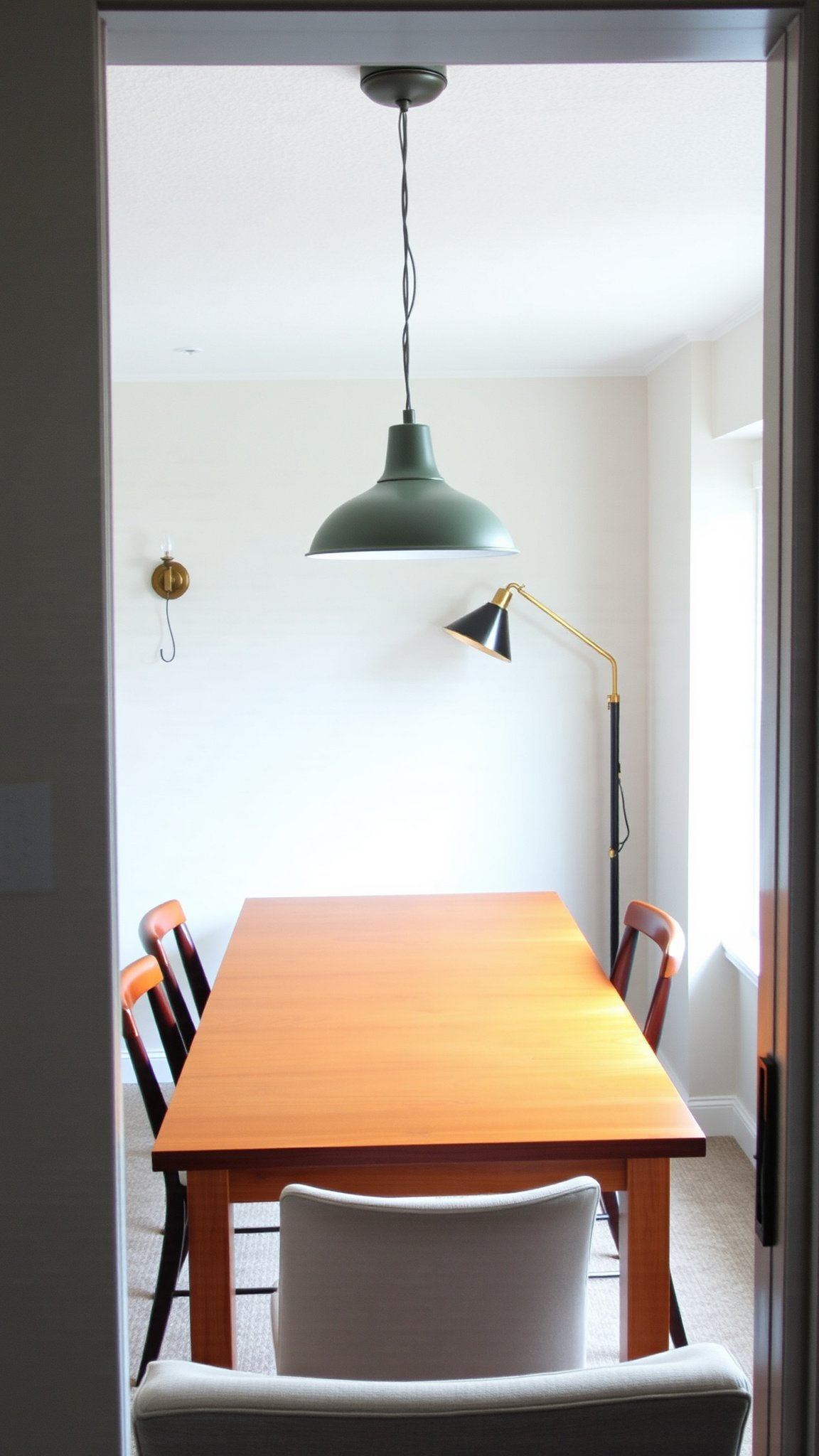
Design 5: Smart Layouts
The layout of your furniture can drastically affect the flow and functionality of a small room. A well-thought-out arrangement makes the most of the available space and ensures ease of movement.
Creating Effective Layouts
Consider placing larger furniture pieces against the walls to create an open center space. For example, in a small living room, position a sofa along the longest wall and use a round coffee table for better circulation. This layout not only makes the room feel spacious but also encourages conversation.
FAQs
What size furniture is best for small rooms?
Opt for furniture that is proportionate to the size of the room. Generally, smaller-scale furniture works best, such as loveseats, accent chairs, and compact tables.
How can I make a small room feel larger with furniture?
Choose light-colored furniture, opt for multi-functional pieces, and maintain a minimalist approach. These strategies help create a sense of space and openness.
Should I use large furniture in a small room?
It’s advisable to avoid large furniture in small rooms, as it can make the space feel cramped. Instead, select pieces that are appropriately scaled for the room.
How can lighting affect a small room?
Proper lighting can enhance the perception of space. Layered lighting creates depth and highlights key areas, making the room feel more expansive.
What are some good storage solutions for small rooms?
Utilize multi-functional furniture, such as beds with storage drawers or ottomans that open up. Wall-mounted shelves and under-bed storage can also help maximize space.
Conclusion
Choosing the right furniture scale for small rooms is integral to achieving a stylish and functional living environment. By understanding the importance of proportions, selecting multi-functional pieces, incorporating light colors, and utilizing effective layouts, you can create a space that feels open and inviting. With these strategies in mind, your small room can transform into a beautifully curated area that reflects your personal style while remaining comfortable and practical.