
Transitional furniture offers a harmonious blend of classic and modern styles, creating a timeless aesthetic that appeals to diverse tastes. Whether you are revamping your living space or starting from scratch, understanding how to incorporate transitional elements can bring warmth and sophistication to your home. This article will explore various transitional furniture ideas that seamlessly merge traditional and contemporary designs, inspiring you to create a balanced and inviting atmosphere.
Design 1: Classic Elegance with Modern Lines
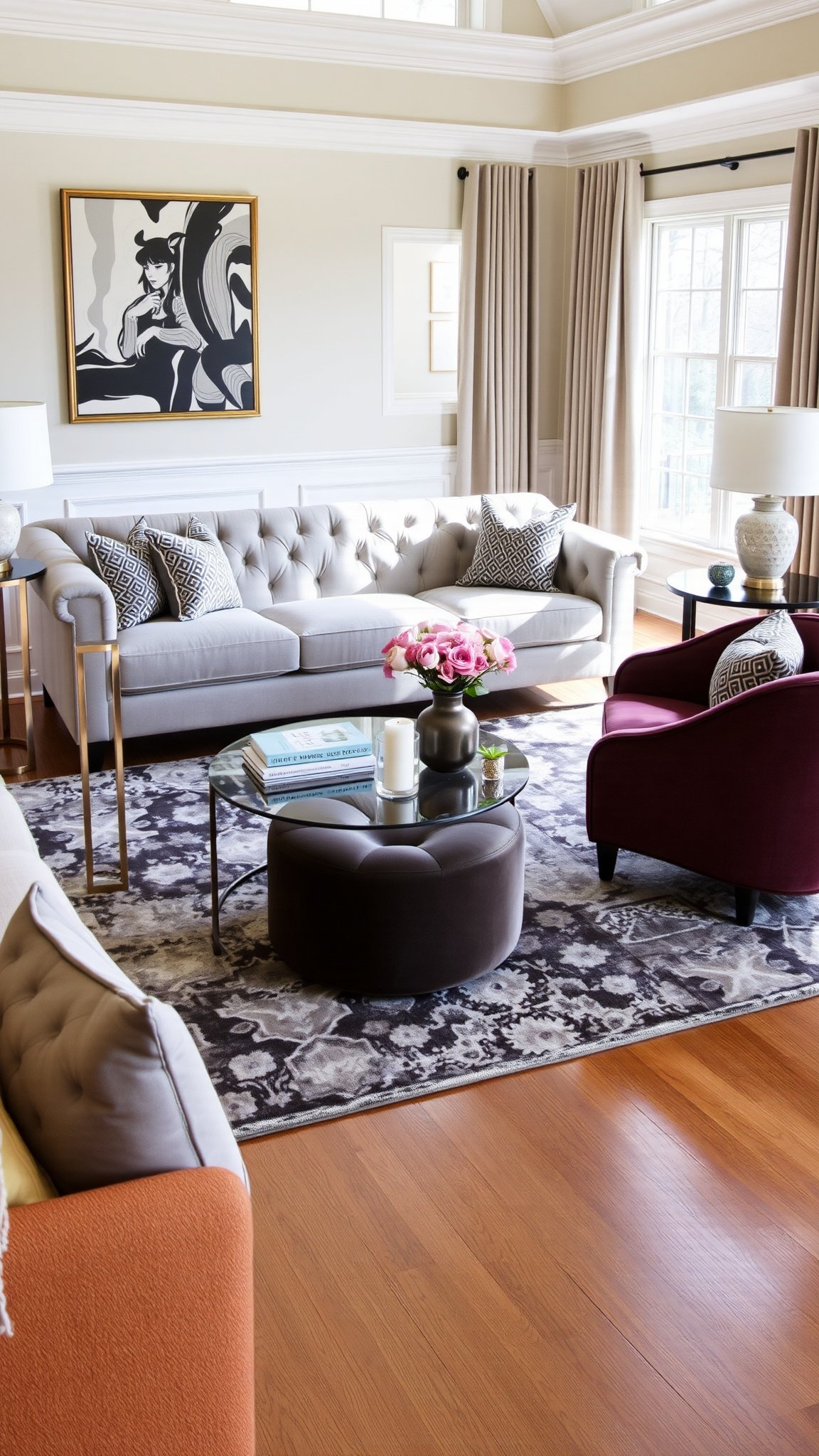
To achieve a transitional look that embodies classic elegance while embracing modernity, focus on furniture pieces with clean lines and subtle curves. For instance, a classic tufted sofa can be paired with sleek metal side tables. Opt for a neutral color palette, such as soft grays or creamy whites, and add depth with textured fabrics like linen or velvet. Incorporating geometric patterns in throw pillows or area rugs can also enhance this design’s contemporary feel.
Furniture Selection
Choose a sofa with a timeless silhouette but modern upholstery. Accent chairs in bold shapes can complement the sofa while maintaining a refined look.
Design 2: Warm Wood Accents with Sleek Finishes
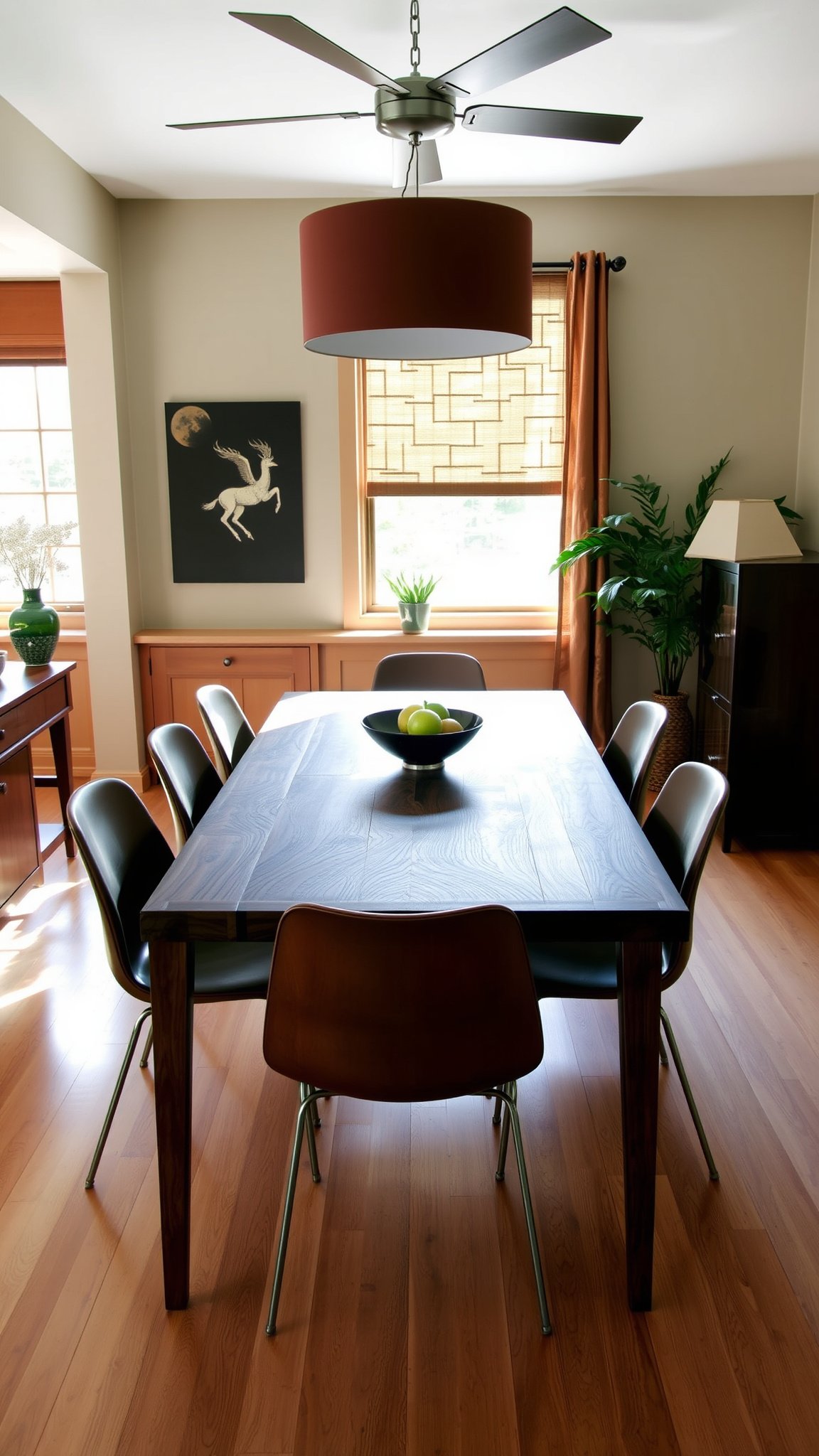
Wood plays a crucial role in transitional design, offering warmth and character. Select furniture pieces that feature rich wood tones, such as walnut or oak, paired with sleek metal or glass finishes. A wooden dining table can serve as the centerpiece, surrounded by contemporary chairs with metal legs. This combination creates an inviting yet sophisticated dining area that encourages gatherings and conversation.
Color Palette
Incorporate natural hues to balance the sleekness of modern finishes. Earthy tones like deep greens or warm terracotta can be used for accent pieces or wall colors to enhance the space.
Design 3: Layered Textures for Depth and Interest
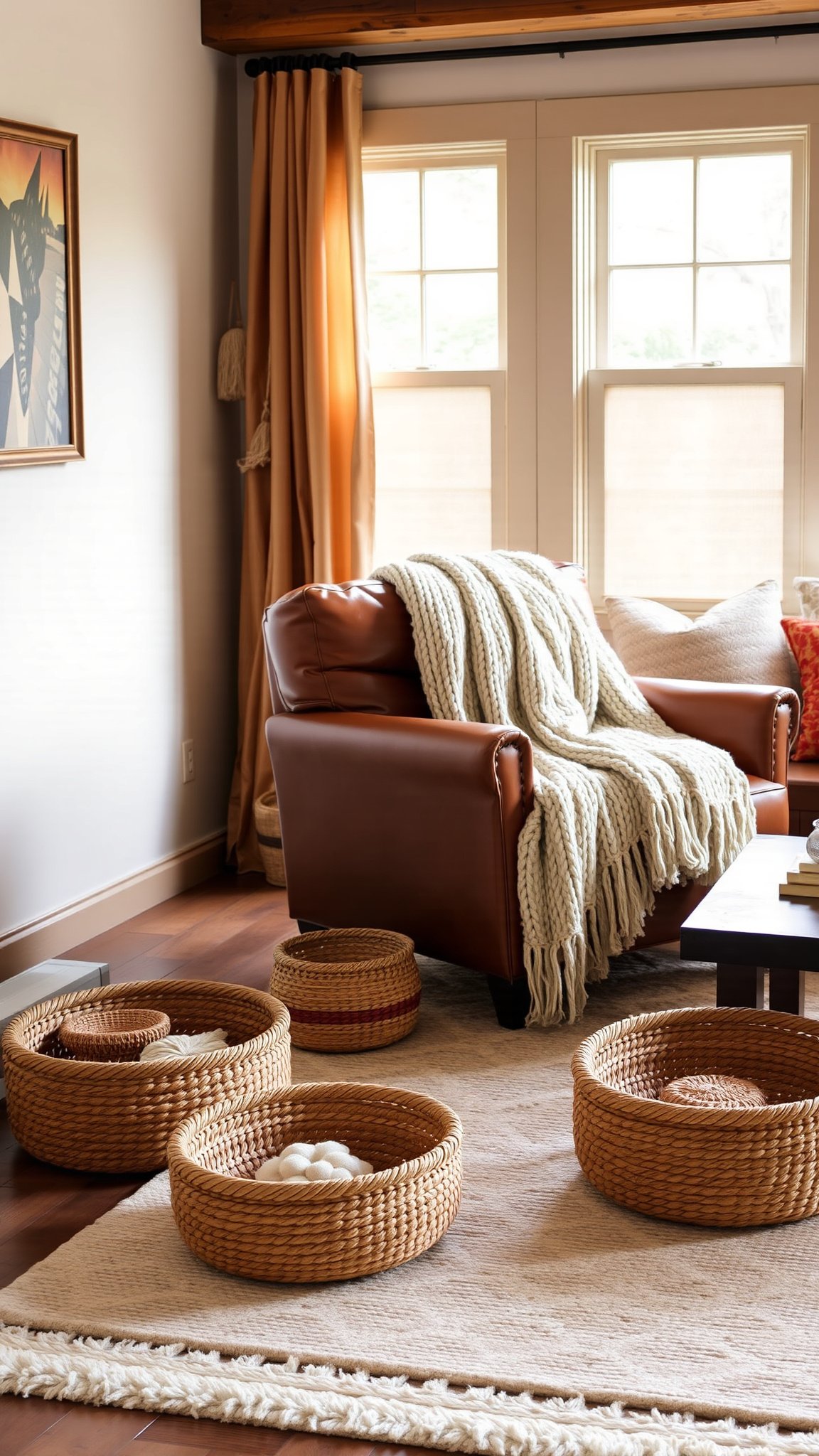
Layering textures is key to achieving a transitional look that feels rich and inviting. Combine various materials such as leather, wool, and cotton to create a visually dynamic space. For example, a leather armchair can be softened with a chunky knit throw and a plush area rug. This approach not only adds comfort but also invites relaxation, making your home feel more welcoming.
Accent Details
Incorporate decorative items like woven baskets or textured cushions to enrich the layered effect. These small details can elevate the overall design without overwhelming the space.
Design 4: Statement Lighting for a Modern Touch
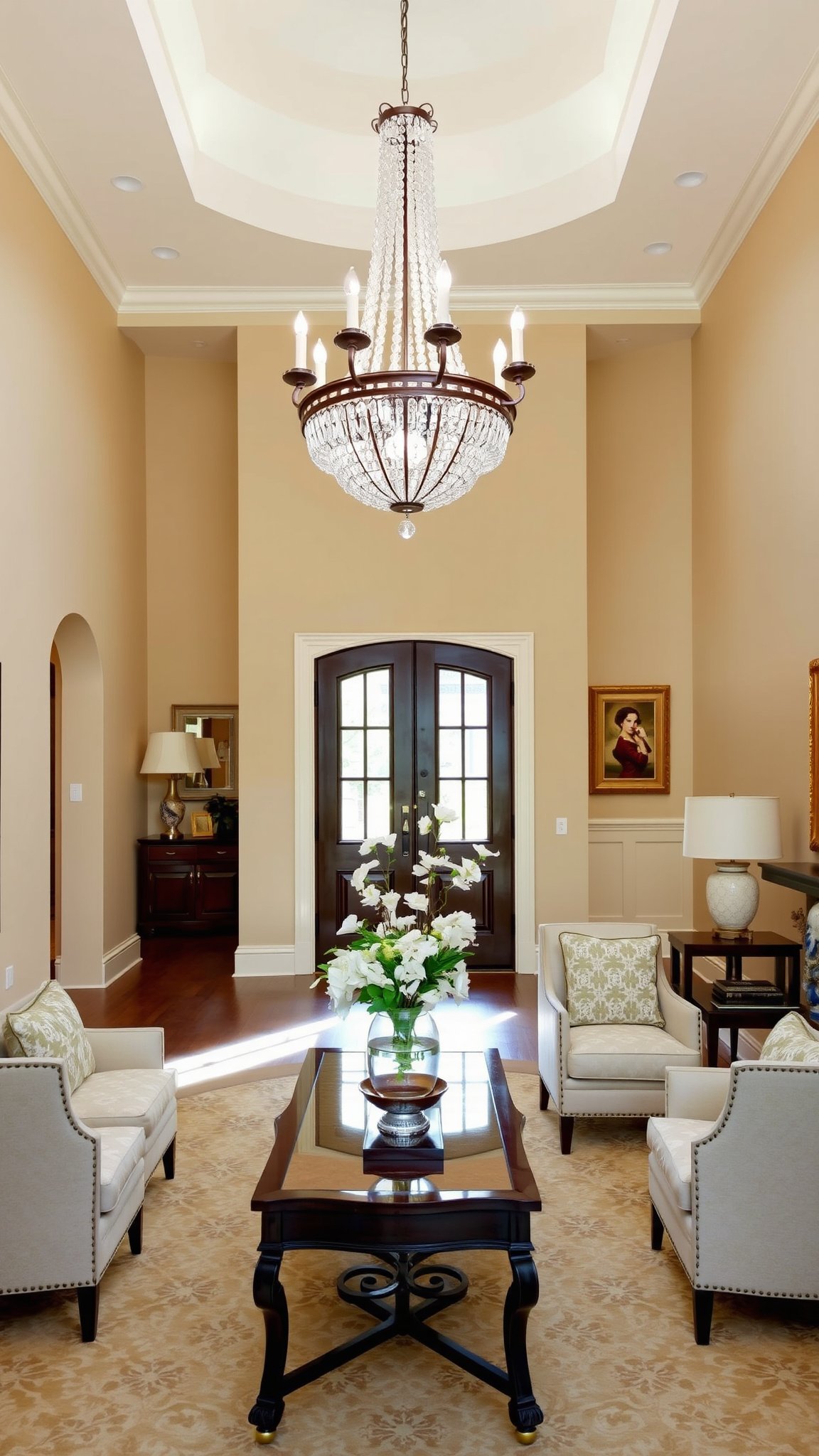
Lighting is an essential element in transitional design, allowing you to merge classic and modern aesthetics. Choose statement light fixtures that serve as focal points while complementing your overall decor. A grand chandelier in a contemporary finish can be paired with traditional furnishings to create a show-stopping entryway. Alternatively, sleek pendant lights over a kitchen island can add a modern flair to a classic space.
Lighting Ideas
Consider installing dimmers to adjust the ambiance according to the occasion. This flexibility enhances the transitional feel, allowing for both casual and formal settings.
Design 5: Artful Accessories to Tie the Room Together
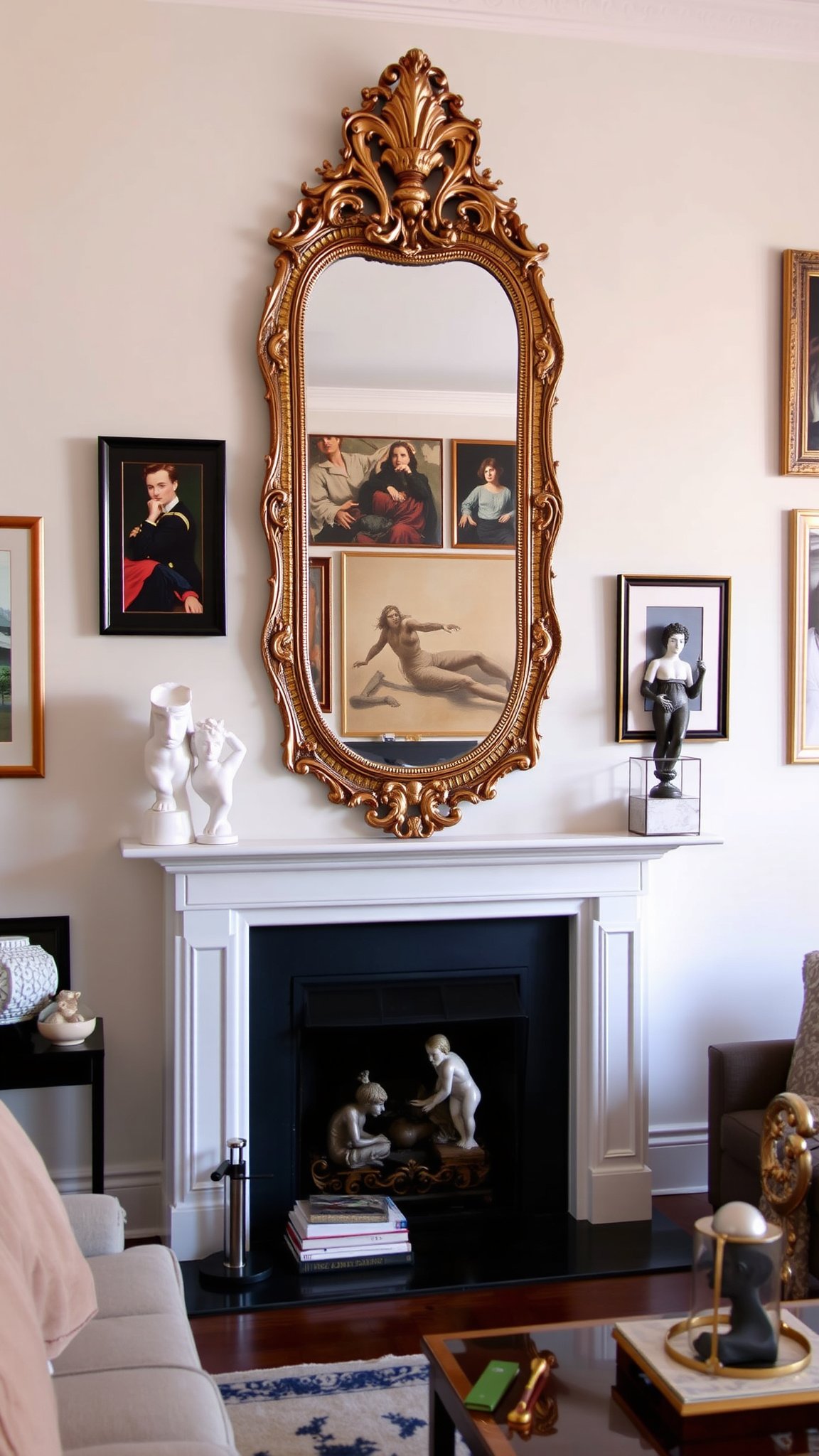
Accessories can play a significant role in achieving a cohesive transitional look. Incorporate art pieces that reflect both classic and modern influences, such as abstract paintings framed in traditional styles. Mixing framed photos with contemporary sculptures can create a gallery-like feel, adding personality and depth to your space.
Wall Decor
Select wall decor that showcases a blend of styles. A classic ornate mirror can act as a stunning backdrop for modern artwork, creating an eye-catching focal point in any room.
Design 6: Functional Spaces with Versatile Furniture
Transitional design emphasizes functionality without sacrificing style. Invest in versatile furniture pieces that can adapt to your lifestyle. For example, a coffee table with hidden storage can maintain a clean look while providing practicality. Use ottomans that double as seating or storage, seamlessly blending form and function in your living area.
Space Planning
Arrange furniture in a way that promotes flow and conversation. Ensure that pieces are proportionate to the size of the room, allowing for easy movement and a balanced aesthetic.
FAQs
What is transitional furniture?
Transitional furniture combines elements of traditional and modern design, creating a versatile and timeless aesthetic that suits various tastes and lifestyles.
How do I choose colors for a transitional space?
Opt for a neutral color palette for larger furniture pieces, and use bolder, accent colors in accessories and decor to add visual interest and warmth.
Can transitional furniture work in small spaces?
Yes, transitional furniture is ideal for small spaces as it emphasizes balance, functionality, and clean lines, making the area feel open and inviting.
What are some key pieces to include in a transitional design?
Key pieces include sofas with classic silhouettes, accent chairs with modern lines, wooden dining tables, and statement lighting fixtures that enhance both styles.
How can I add personality to a transitional space?
Incorporate personal touches through artwork, family photos, and unique accessories that reflect your style while maintaining the overall transitional theme.
Conclusion
Transitional furniture ideas offer an elegant solution for creating spaces that are both timeless and current. By thoughtfully blending classic and modern elements, you can design a home that feels stylish, comfortable, and uniquely yours. Whether you focus on layered textures, statement lighting, or versatile furniture, these transitional design principles will help you achieve a harmonious and inviting atmosphere.