
When it comes to decorating small rooms, the challenge often lies in incorporating large furniture pieces without sacrificing style or functionality. Many people shy away from larger items, fearing they will overwhelm the space. However, with the right approach, large furniture can enhance a small room, providing both comfort and aesthetic appeal. This article will explore effective strategies to make large furniture work in small spaces, offering insights that will inspire you to create a beautiful and functional environment.
Choosing the Right Scale for Furniture
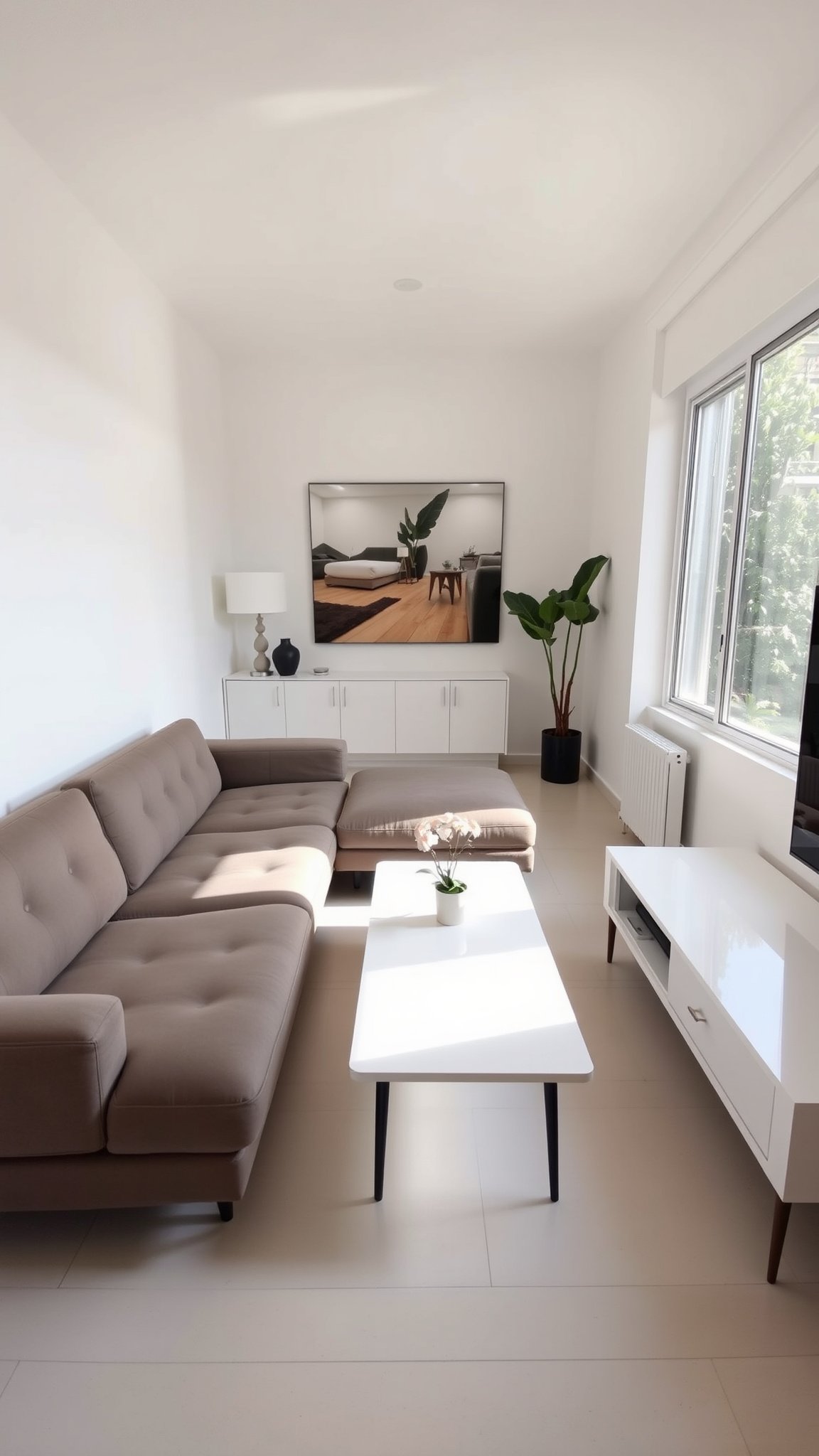
The first step in successfully incorporating large furniture into a compact room is understanding scale. Selecting pieces that are appropriately proportioned is crucial. Large furniture does not always mean bulky; opt for designs that feature clean lines and minimal ornamentation. For example, a sleek sectional sofa can provide ample seating without dominating the room.
Furniture with Legs
Choosing furniture with exposed legs creates a sense of airiness, allowing light to flow through and making the space feel larger. A large coffee table with slender legs, for instance, offers functionality without feeling too heavy. Look for options made from light materials like metal or wood to enhance the overall aesthetic.
Strategic Layout and Placement
Arranging furniture thoughtfully can make a significant difference in how a small room feels. Place larger pieces against the walls to open up the center of the room, allowing for easy movement and creating a more spacious atmosphere. Consider using a large area rug to define the seating area, anchoring the furniture and giving the illusion of a larger footprint.
Creating Zones
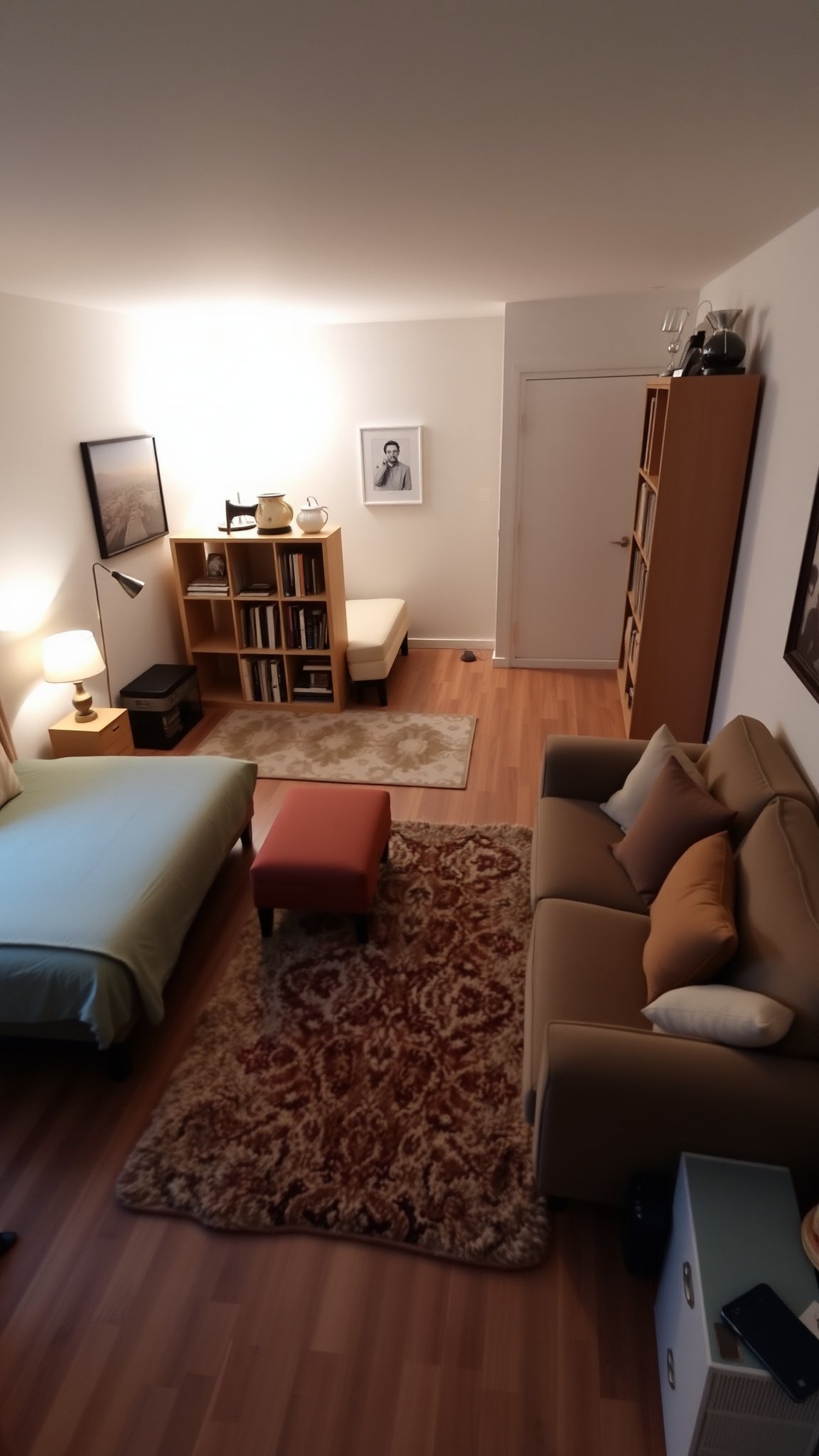
A small room can benefit from defined zones, especially when using larger furniture. For example, in a studio apartment, a large bookshelf can act as a room divider, separating the living area from the sleeping space. This not only maximizes functionality but also adds visual interest to the room.
Color and Material Choices
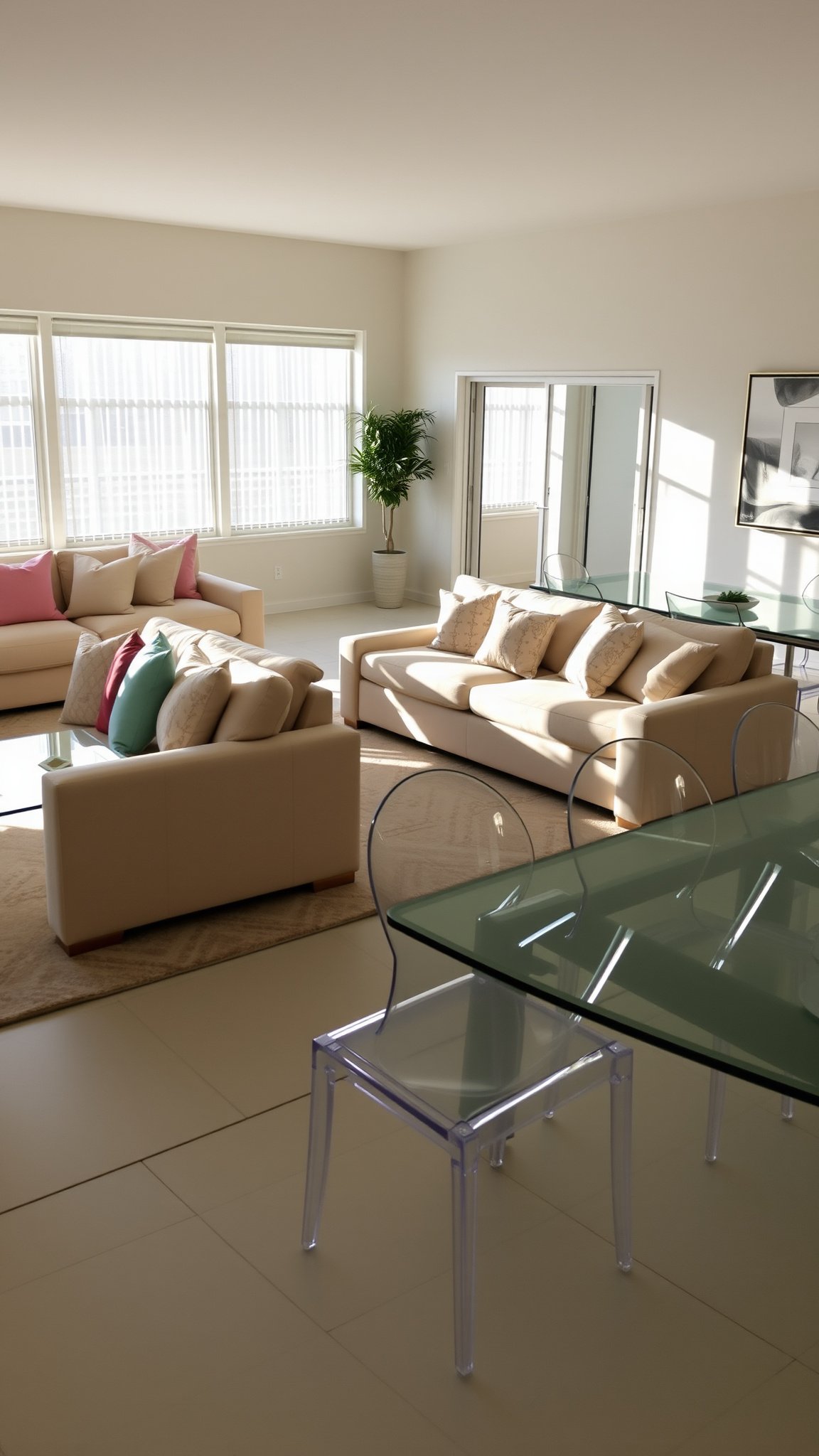
Selecting the right colors and materials for large furniture can greatly impact the room’s ambiance. Lighter colors and soft fabrics can make large pieces feel less imposing. For example, a large beige sofa paired with pastel-colored throw pillows can create a soft, inviting focal point without overwhelming the space.
Incorporating Reflective Surfaces
Incorporating reflective materials, such as glass or mirrored finishes, can help large furniture feel less bulky. A glass coffee table or a mirrored console can reflect light, enhancing the sense of openness. Additionally, using clear acrylic chairs around a large dining table can maintain an airy feel while providing ample seating.
Multi-Functional Furniture Solutions
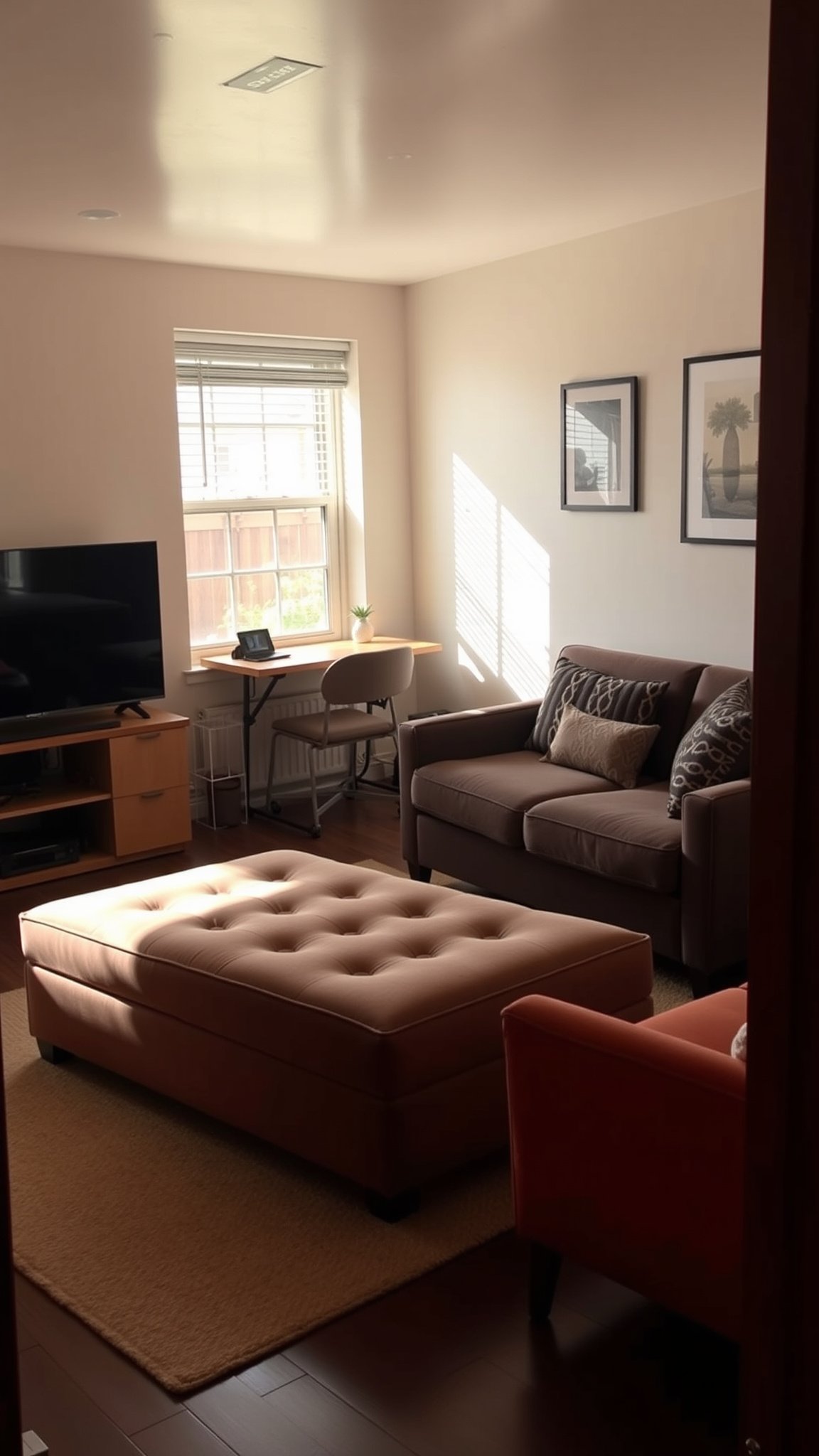
Investing in multi-functional furniture can be a game changer in small rooms. Large pieces that serve multiple purposes help maximize space without sacrificing style. For instance, a large ottoman can act as both a coffee table and additional seating, while a bed with built-in storage drawers can eliminate the need for bulky dressers.
Convertible Furniture
Convertible furniture, such as a sofa bed or a fold-out desk, is perfect for small spaces. These pieces can be easily transformed to suit different needs, providing flexibility without compromising on size. A large sofa bed can comfortably accommodate guests while still serving as a stylish seating option during the day.
Emphasizing Vertical Space
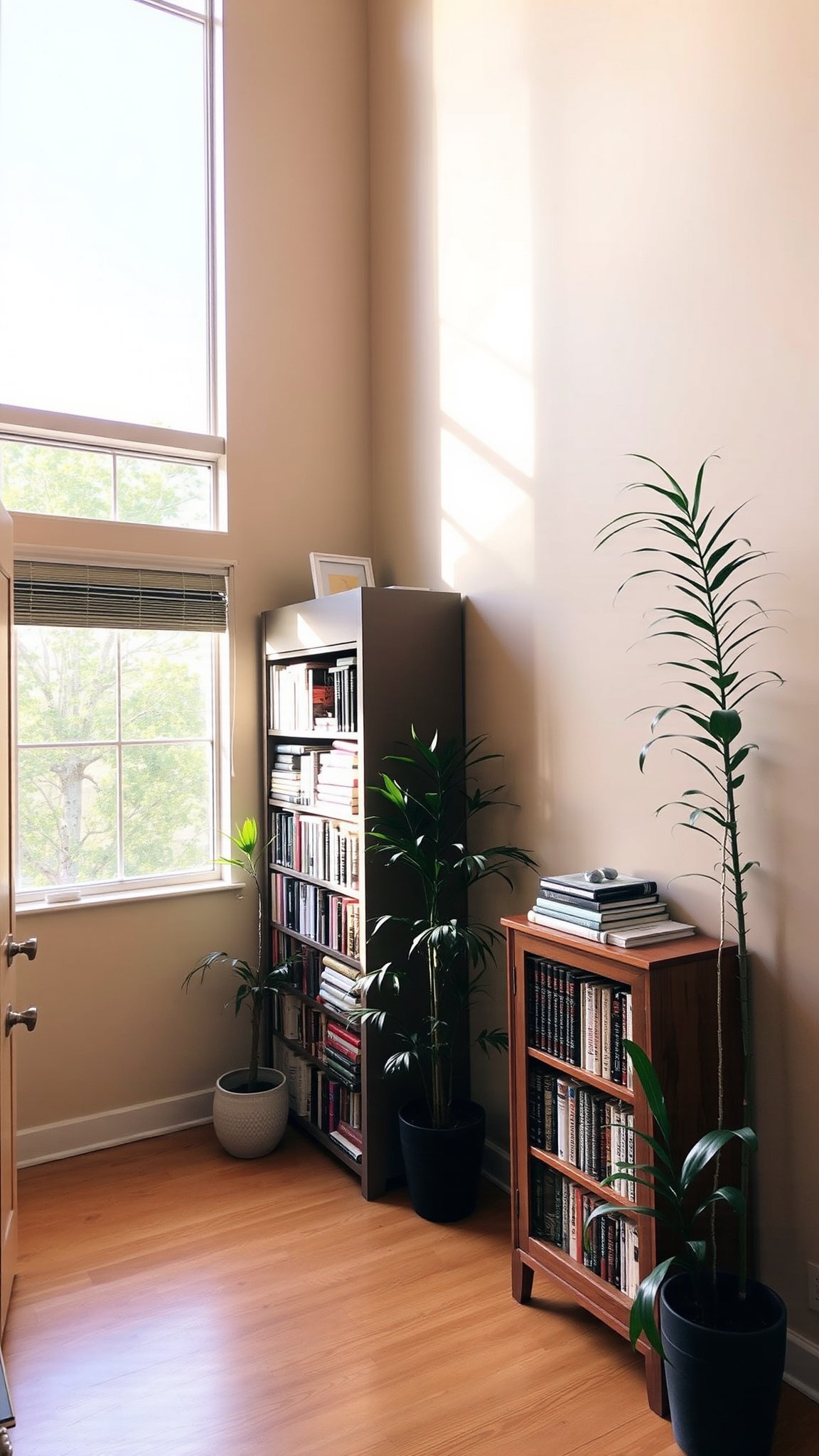
In small rooms, drawing the eye upward can create an illusion of height and space. Large furniture pieces can be enhanced by vertical elements such as tall bookshelves or wall-mounted shelves. This not only provides additional storage but also helps balance the proportions of the room.
Using Vertical Lines in Decor
Incorporating vertical lines in your decor can further enhance this effect. Choose large pieces with vertical patterns or tall plants that draw the eye upward, creating a sense of height. A tall, narrow cabinet can provide storage without taking up too much floor space, making it a perfect addition to a small room.
FAQs
Can large furniture really work in a small room?
Yes, large furniture can work in a small room when chosen and arranged thoughtfully. It can enhance comfort and style without overwhelming the space.
What types of large furniture are best for small spaces?
Look for large furniture that has a slim profile, is elevated, or serves multiple functions. Sectional sofas, nesting tables, and ottomans with storage are excellent choices.
How can I make a small room feel larger with large furniture?
Use light colors, strategic placement, and reflective materials to enhance openness. Additionally, maintaining an organized layout can help create a spacious feel.
Should I avoid dark colors for large furniture in small rooms?
While dark colors can make a room feel cozier, they may also make it feel smaller. Opting for lighter shades or adding colorful accents can help balance the look.
Is it better to have fewer large pieces or many small pieces in a small room?
Fewer large pieces are generally better, as they create a more cohesive look and reduce visual clutter. This allows for better flow and functionality in the space.
Conclusion
Incorporating large furniture into small rooms is entirely achievable with the right strategies. By selecting appropriately scaled pieces, arranging them thoughtfully, and using color and material wisely, you can create a stylish and functional space that feels open and inviting. Emphasizing vertical space and considering multi-functional options further enhances the room’s usability, ensuring that you enjoy comfort without compromise. With these tips, you can transform your small room into a beautifully designed haven that showcases your personal style.