
Choosing furniture for open-concept homes can be both exciting and challenging. The fluidity of space encourages creativity, but it also requires thoughtful planning to ensure that each area feels cohesive while serving its intended function. With the right furniture choices, you can create a harmonious environment that flows seamlessly from one area to another, providing comfort and style. In this article, we will explore various strategies and ideas to help you make informed decisions when furnishing your open-concept living space.
Establishing Zones with Furniture
One of the most effective ways to manage an open-concept layout is by creating distinct zones using furniture. This approach allows different areas to serve their unique purposes while maintaining an overall sense of unity.
Using Sofas and Sectionals
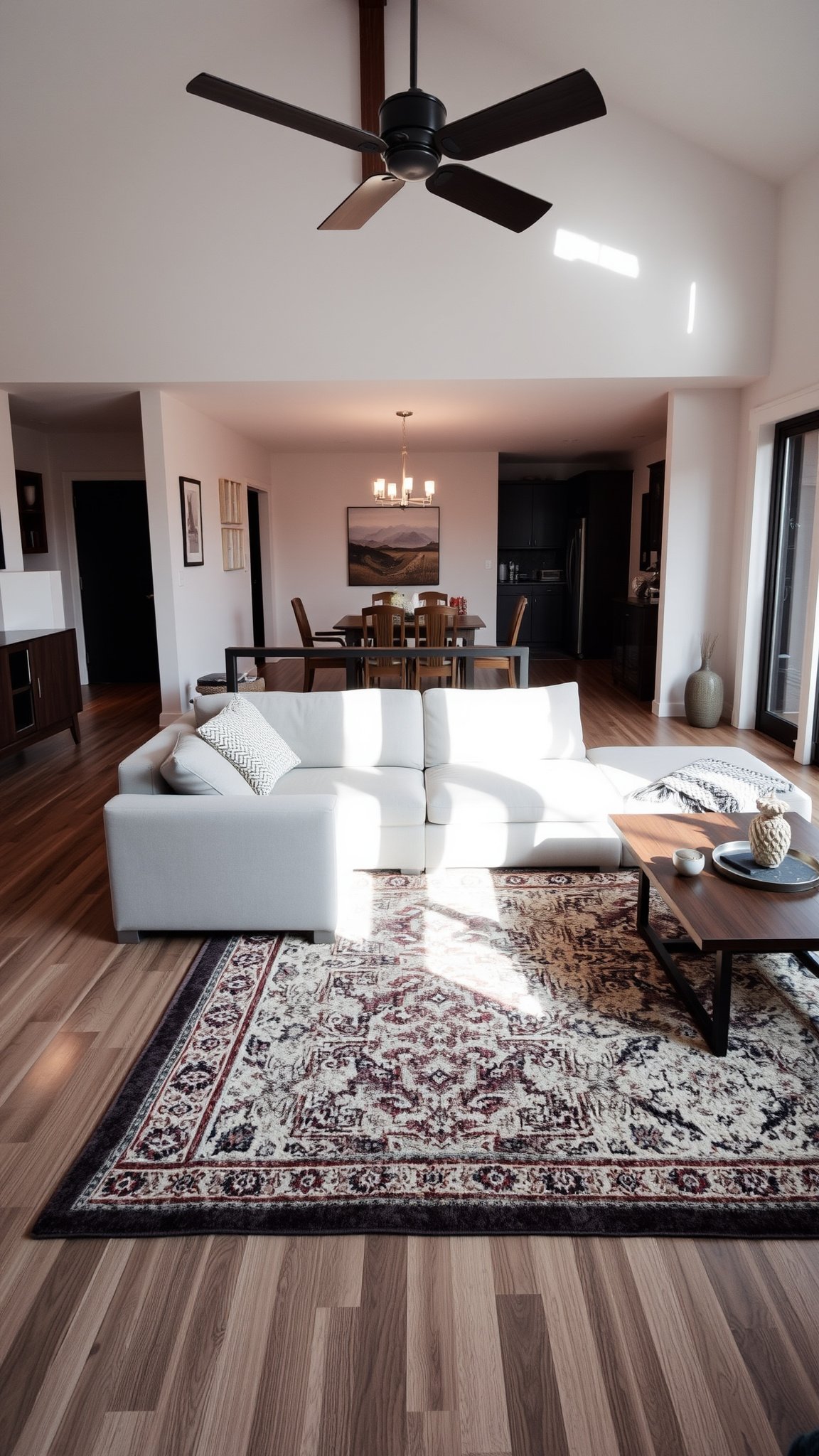
A well-placed sofa or sectional can delineate the living area from the dining space. For instance, a large sectional can act as a barrier, while also providing seating. Choose a sectional with a low back to keep the space open and airy. Complement it with a stylish area rug that defines the living zone, adding warmth and texture.
Color Coordination for Cohesion
Color plays a crucial role in open-concept homes, as it helps tie various areas together. When selecting furniture, consider a cohesive color palette that flows through different spaces.
Neutral Bases with Bold Accents
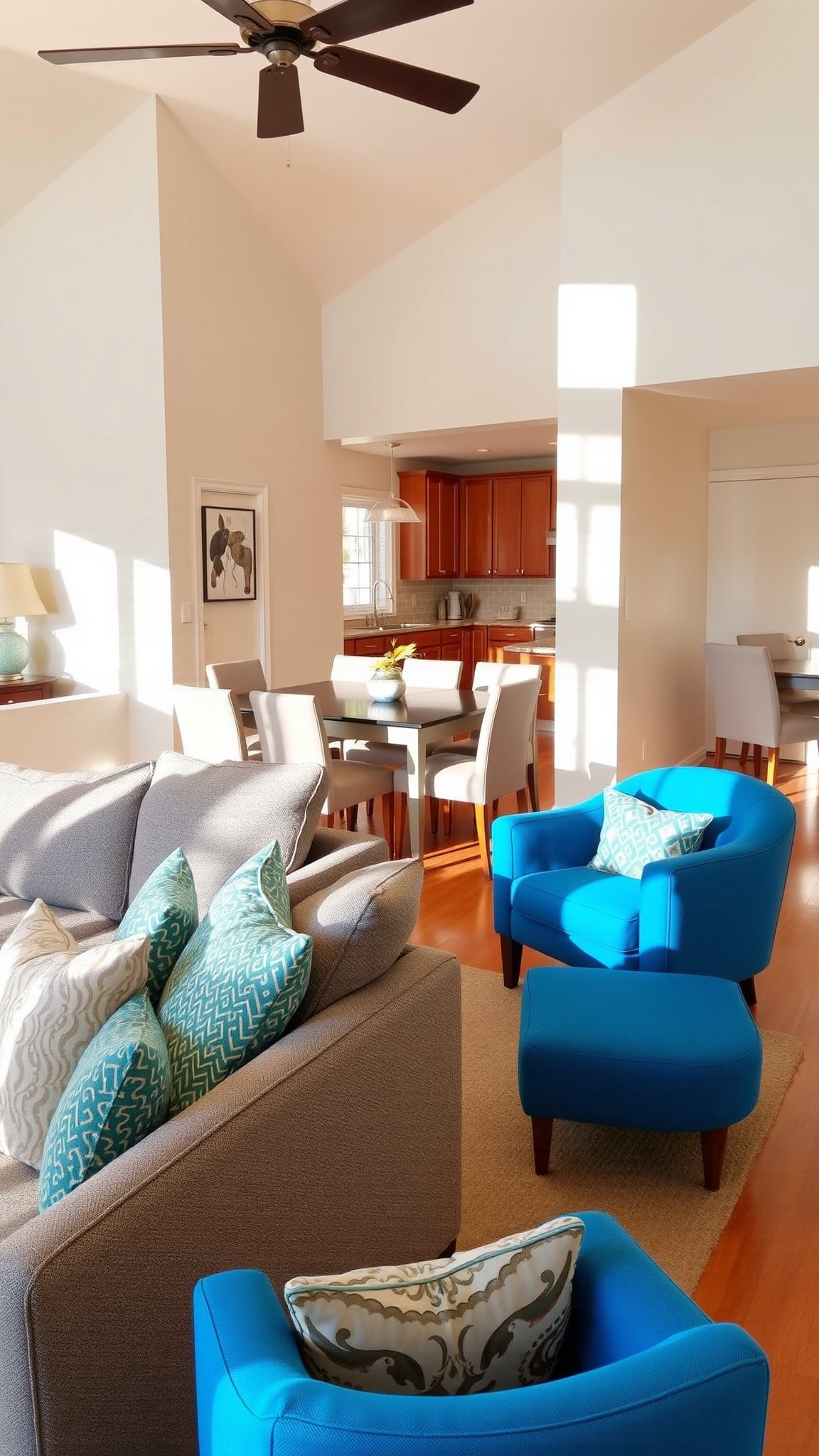
Start with neutral furniture pieces, such as a gray sofa or beige dining chairs. These tones create a calming base. Then, introduce bold accent colors through throw pillows, artwork, or decorative items. For example, a vibrant blue armchair can bring life to the neutral palette without overwhelming the space.
Multi-Functional Furniture
In open-concept homes, maximizing functionality is key. Multi-functional furniture offers flexibility while saving space, making it ideal for these layouts.
Storage Ottomans and Coffee Tables
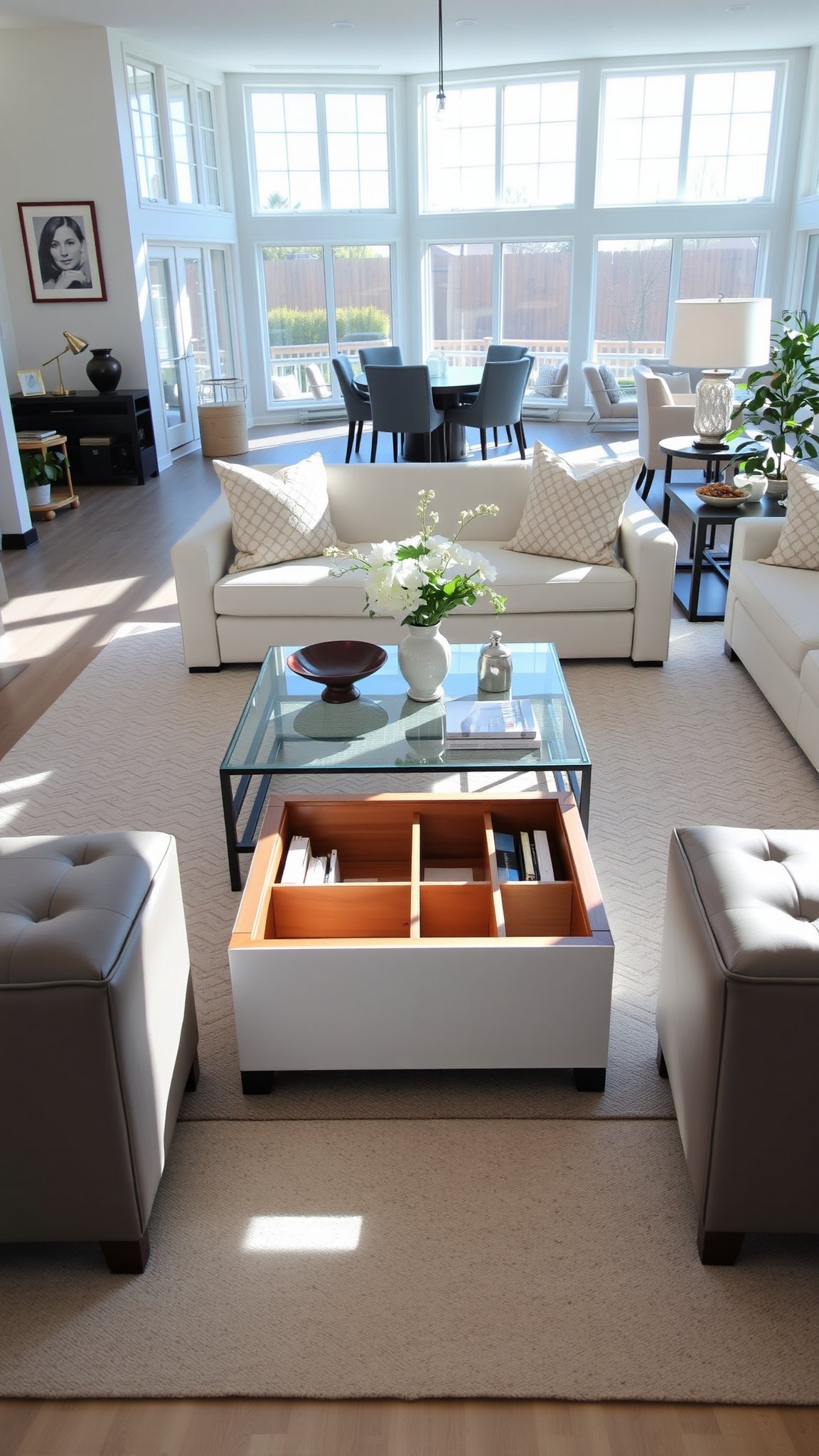
Consider using storage ottomans or coffee tables that can double as seating or provide additional storage. A stylish coffee table with hidden compartments can keep clutter at bay, while a pair of ottomans can be easily moved to accommodate guests. This versatility allows for easy transitions between different activities in the space.
Defining the Dining Area
The dining area in an open-concept home should feel distinct yet connected to the other spaces. The right furniture selection can achieve this balance.
Choosing the Right Dining Table
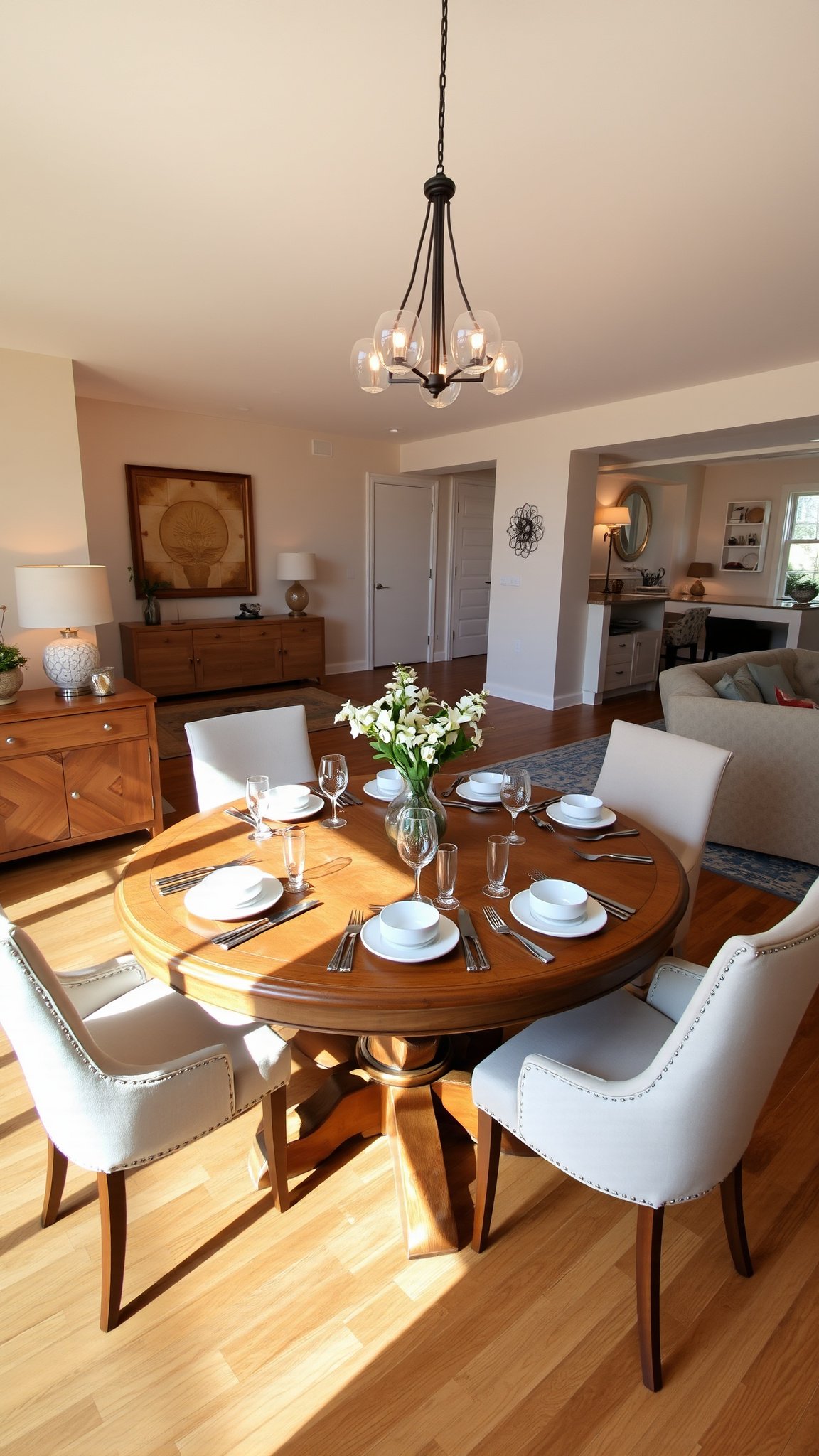
Opt for a dining table that complements the style of your living area while also fitting the scale of the space. A round table can encourage conversation and create a softer look, while a rectangular table may suit a more formal aesthetic. Pair the table with chairs that echo the materials or colors found in the living area for a cohesive feel.
Lighting as a Design Element
Lighting is an essential aspect of open-concept design, as it can dramatically influence the atmosphere and functionality of the space.
Layered Lighting Solutions
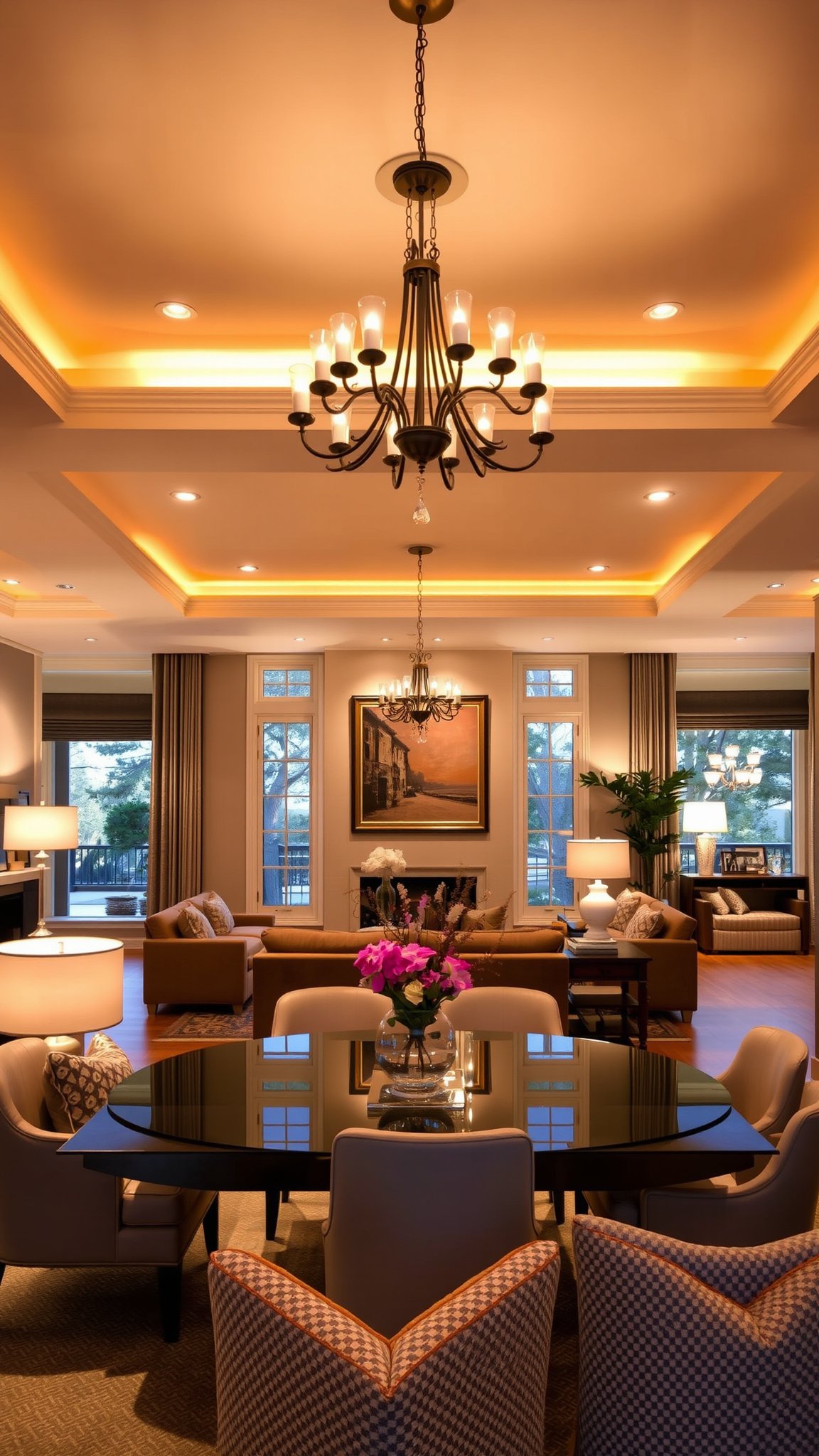
Incorporate layered lighting by combining ambient, task, and accent lighting. For example, a statement chandelier above the dining table can serve as a focal point, while recessed lighting can provide general illumination. Add table lamps or floor lamps in the living area to create cozy spots for reading or relaxing. This approach ensures that each zone is well-lit and inviting.
Textures and Patterns to Enhance Visual Interest
In a large, open space, incorporating various textures and patterns can add depth and interest. This strategy helps to prevent the area from feeling flat or monotonous.
Mixing Materials
Combine different materials, such as wood, metal, and fabric, to create a rich sensory experience. For instance, pair a wooden dining table with upholstered chairs and metallic light fixtures. Layering textures through throws, rugs, and cushions can also enhance comfort and style, making each zone feel distinct yet connected.
FAQs
What furniture styles work best in open-concept homes?
Furniture styles that emphasize clean lines and simplicity, such as modern, minimalist, or contemporary designs, work best in open-concept homes. These styles promote a sense of openness and can easily complement various decor themes.
How do I choose a color palette for an open-concept space?
Start with a neutral base for larger furniture pieces, then incorporate accent colors through smaller items like pillows or decor. Choose colors that complement each other and create a cohesive look throughout the space.
Can I use area rugs in an open-concept home?
Yes, area rugs are a great way to define different zones within an open-concept layout. Select rugs that are appropriately sized for each area to create visual boundaries while also adding warmth and texture.
How can I make an open-concept home feel cozy?
Incorporate soft textiles, layered lighting, and inviting furniture arrangements. Using a mix of textures, colors, and patterns can also add warmth and create a more intimate atmosphere.
Conclusion
Choosing furniture for open-concept homes requires careful consideration and planning. By establishing zones, coordinating colors, selecting multi-functional pieces, and integrating various textures and lighting, you can create a beautifully cohesive and functional living space. Each choice contributes to an environment that is not only stylish but also comfortable and inviting, making your open-concept home a true reflection of your personal style.