
Small living rooms can be a challenge when it comes to furniture layouts, but with the right approach, they can be transformed into cozy, functional spaces that feel open and inviting. If you’re looking to maximize your small living area, this guide will offer inspiring layouts that not only enhance the aesthetics but also create a harmonious flow. Whether you’re working with limited square footage or simply want to make the most of your space, these furniture arrangements will help you design a living room that reflects your style and meets your needs.
Design 1: The L-Shaped Arrangement
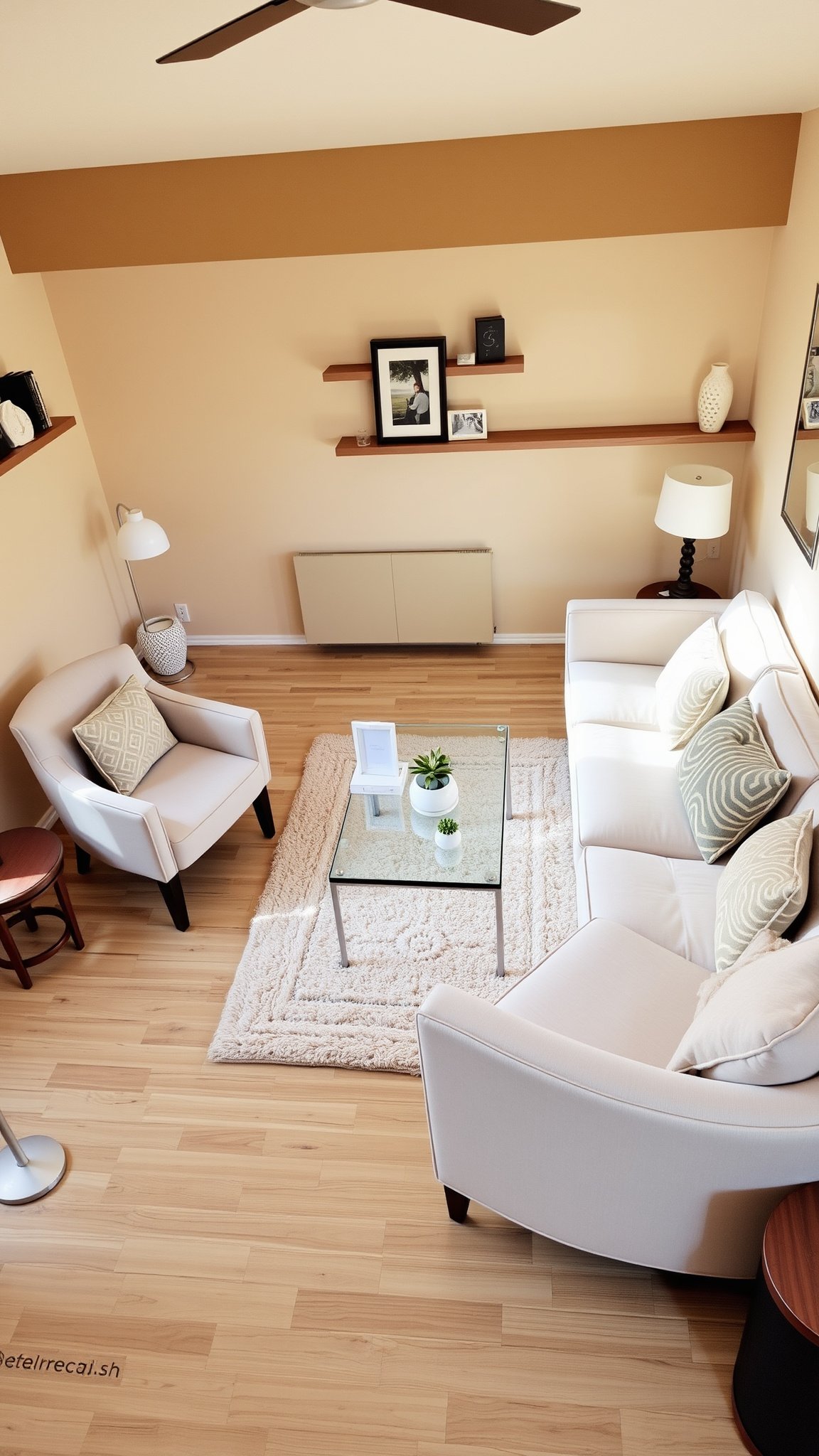
The L-shaped arrangement is ideal for small living rooms, as it creates a natural conversation area while optimizing space. Position a comfortable sofa against one wall and an armchair or two facing it, forming an L shape. This layout encourages interaction and keeps the center of the room open, making it feel larger.
Key Elements
Choose a sofa that fits snugly in the corner and opt for an armchair that complements its style. A light color palette will enhance the sense of space, while a coffee table with a glass top will maintain visual openness. Add a rug to define the area and use wall shelves for added storage without taking up floor space.
Design 2: The Floating Sofa
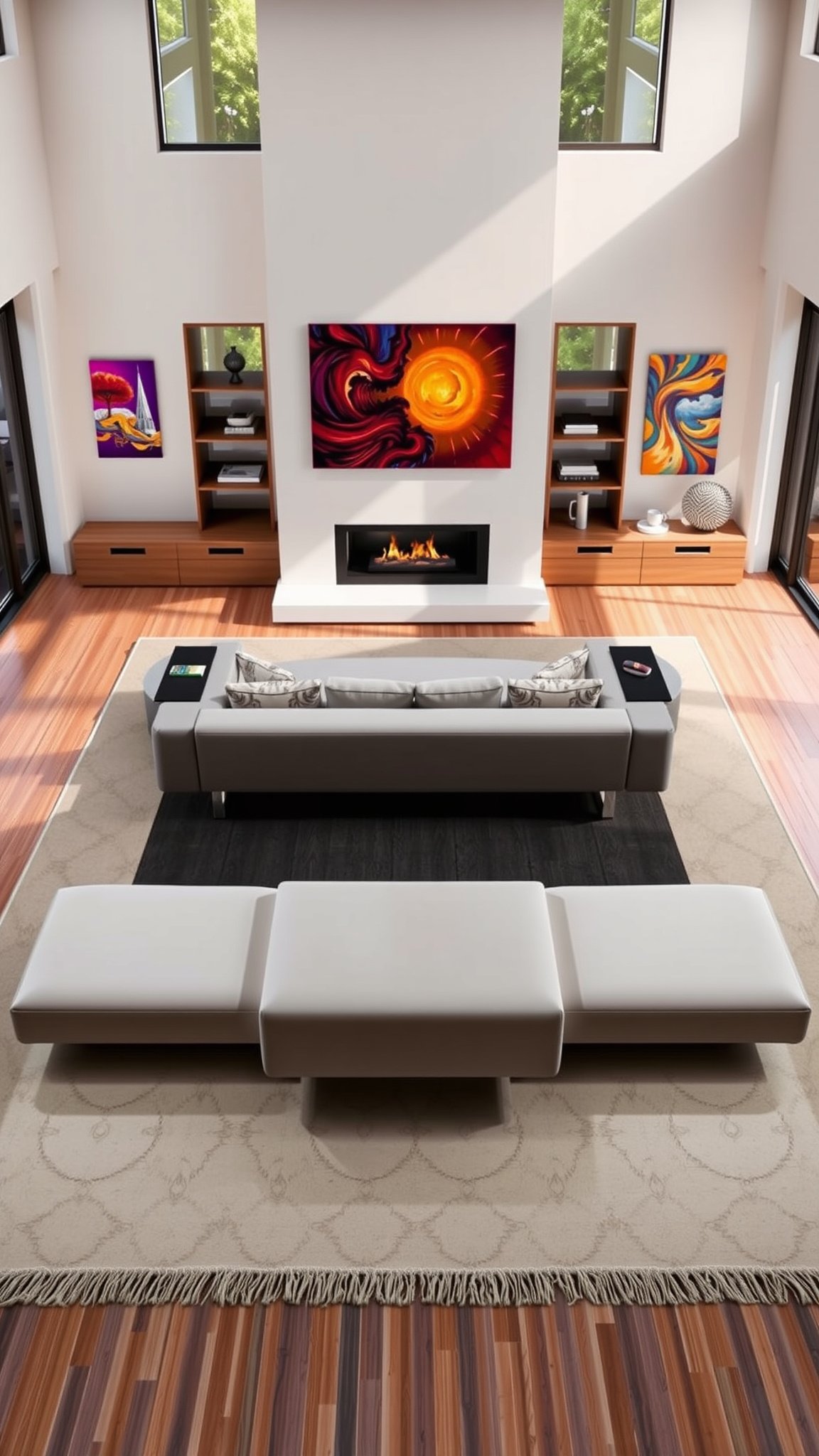
For a modern twist, consider a floating sofa layout. Instead of pushing your sofa against a wall, position it away from the walls to create a more dynamic flow. This layout works particularly well in open-concept spaces, allowing traffic to flow around the seating area.
Key Elements
Select a sleek, low-profile sofa and place it in the center of the room, facing a focal point like a fireplace or media console. Use side tables on either end to provide functionality without crowding. A large area rug will anchor the space, while artwork on the walls can create visual interest and add personality.
Design 3: Multi-Functional Furniture
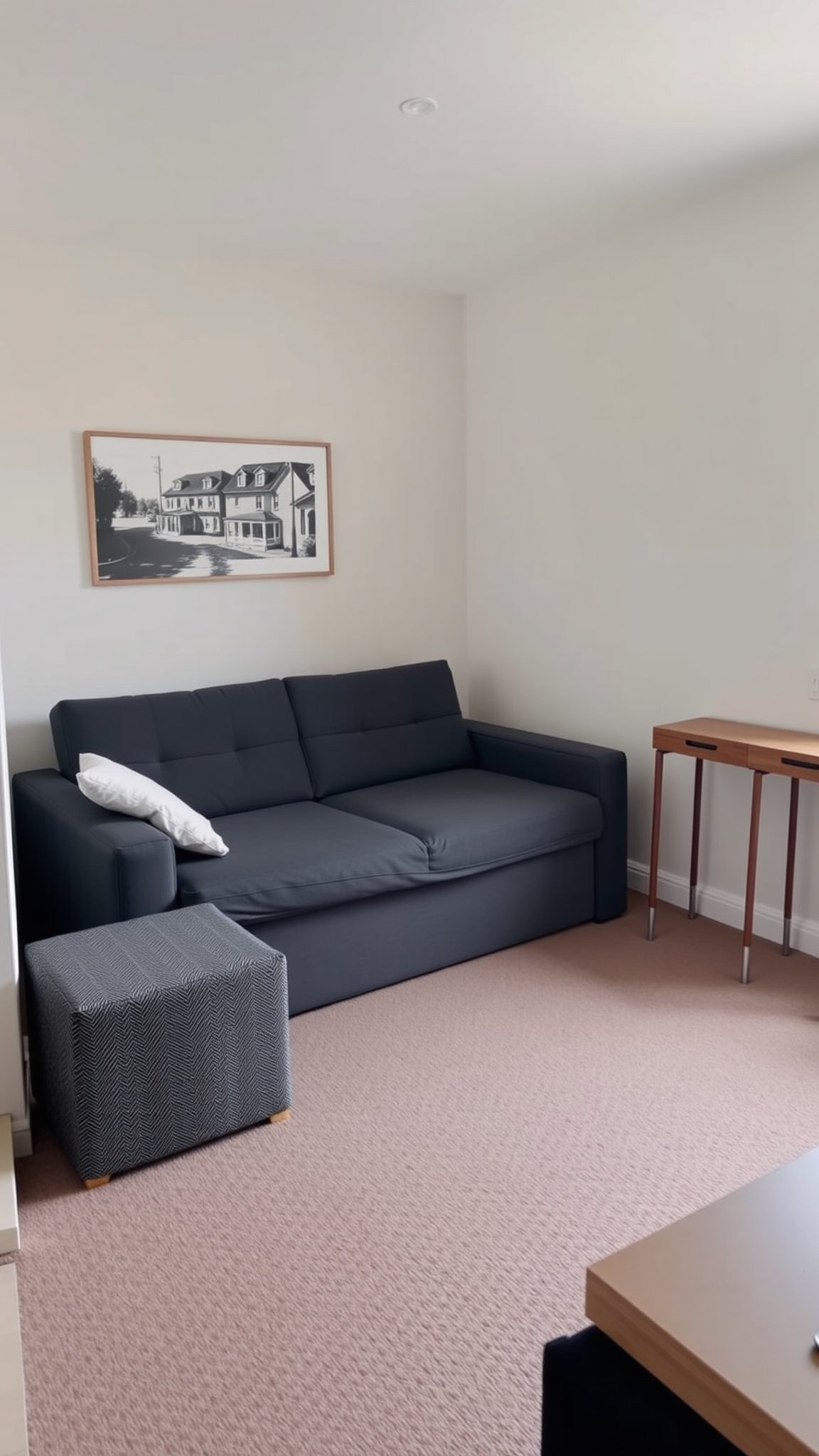
In small living rooms, multi-functional furniture is a game-changer. Look for pieces that serve dual purposes, such as a sofa bed or an ottoman with storage. This approach maximizes utility and keeps your space clutter-free.
Key Elements
Incorporate a compact sofa that can convert into a guest bed when needed. Pair it with an ottoman that doubles as storage for blankets or magazines. Use a narrow console table against the wall for additional surface space without overwhelming the room. Keep the color scheme cohesive to maintain a unified look.
Design 4: Sectional Sofa with Open Shelving
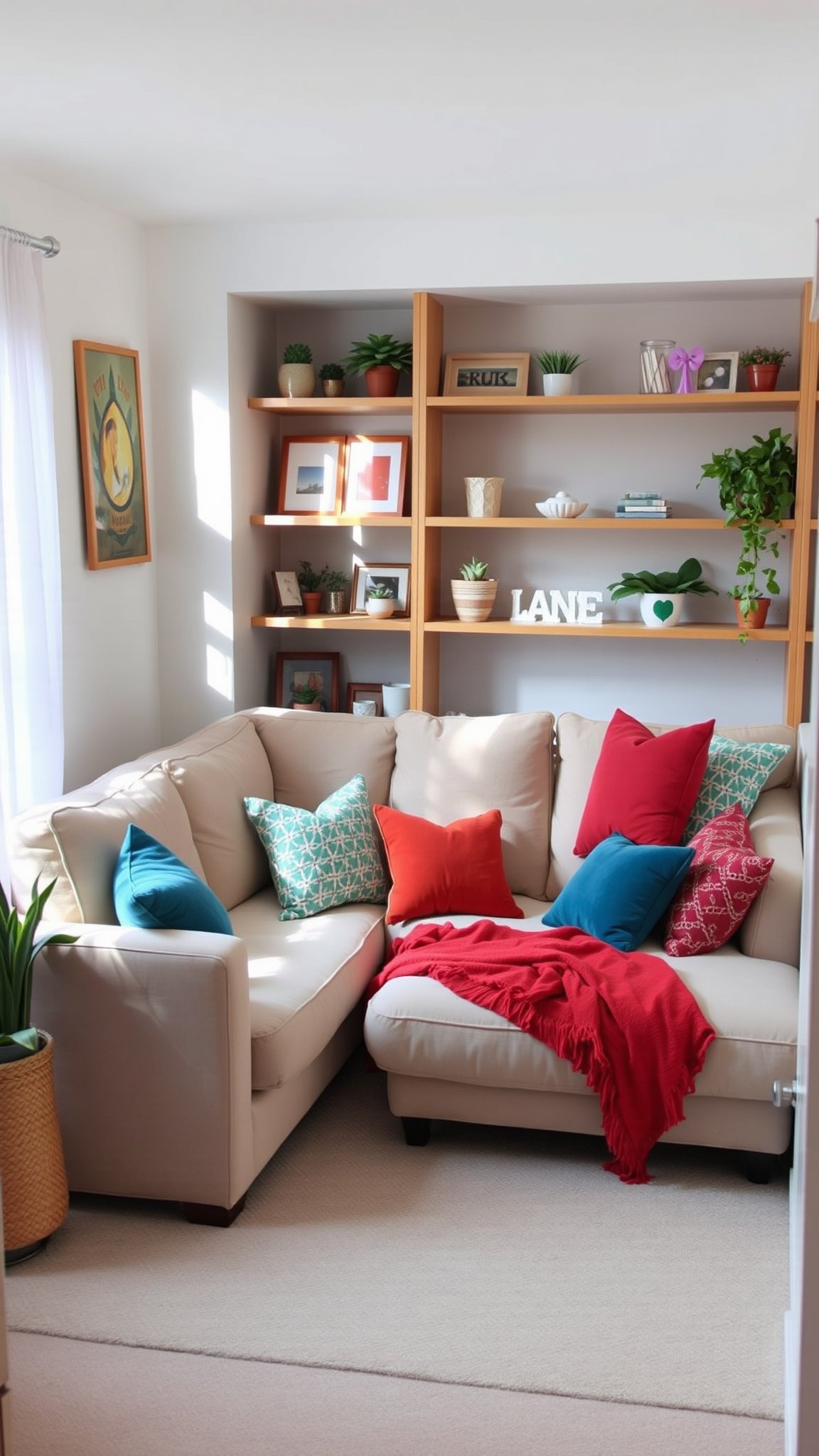
A sectional sofa can be a great addition to a small living room if arranged thoughtfully. Position the sectional in a way that it defines the space while allowing for easy movement. Pair it with open shelving to add both style and storage.
Key Elements
Choose a sectional that is proportionate to your room size and place it in a corner or against a wall to maximize floor space. Use open shelving units to display decorative items, books, and plants without closing off the area. Consider a light-colored sectional to keep the room feeling airy, and add colorful throw pillows for a pop of personality.
Design 5: Corner Sofa with Accent Chairs
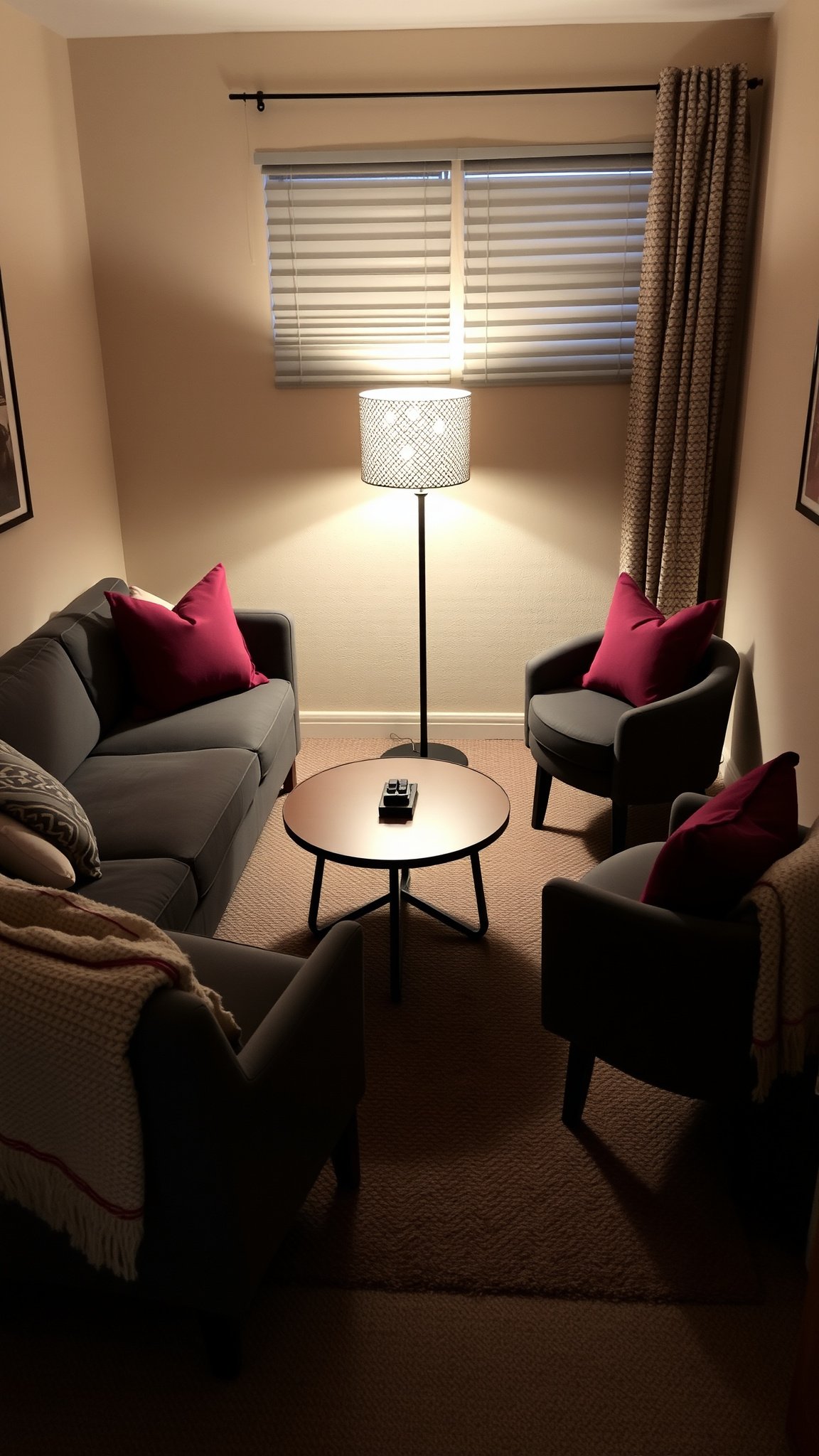
A corner sofa paired with accent chairs creates an intimate setting that’s perfect for small living rooms. This layout allows for a cozy gathering space while optimizing the corners of the room.
Key Elements
Select a corner sofa that fits snugly into the available space. Add one or two accent chairs opposite the sofa to create a balanced look. Use a small round coffee table to facilitate conversation, and consider a floor lamp to provide additional lighting. Layering textures with cushions and throws will enhance comfort and style.
Design 6: Minimalist Approach
If you prefer a clean, uncluttered look, a minimalist approach may be the way to go. This design focuses on fewer, well-chosen pieces that serve a purpose without overwhelming the space.
Key Elements
Opt for a sleek sofa in a neutral color and keep accessories to a minimum. A simple coffee table and a small side table can provide functionality without visual clutter. Use mirrors to reflect light and create the illusion of a larger space. Incorporating plants will add a touch of life without taking up too much room.
FAQs
What are the best colors for a small living room?
Light colors such as whites, creams, and soft pastels can make a small living room feel more spacious. Dark colors can work if used thoughtfully, such as on an accent wall, to create depth.
How can I make my small living room look bigger?
Utilize mirrors to reflect light and visually expand the space. Choose furniture that is appropriately scaled for the room, and avoid heavy drapery that can close off the area.
What type of furniture should I avoid in a small living room?
Avoid oversized or bulky furniture that can overwhelm the space. Additionally, steer clear of heavy, dark pieces that can make the room feel closed in.
Conclusion
Creating a functional and stylish small living room is all about making smart furniture choices and layout decisions. By utilizing arrangements like the L-shaped setup, floating sofa, and multi-functional pieces, you can enhance your space’s aesthetics while maintaining comfort. Remember to play with color, scale, and accessories to reflect your personal style. With these layouts in mind, your small living room can become a beautiful, inviting retreat that feels spacious and well-organized.