
Creating a comfortable living space often starts with the right furniture layout. Simple furniture arrangements can transform your home into a haven of relaxation and style. Whether you’re working with a small apartment or a spacious house, the key is to maximize comfort while maintaining an inviting atmosphere. In this article, we’ll explore various simple furniture layouts that promote a cozy and functional living environment, ensuring that every corner of your home serves its purpose beautifully.
Design 1: Open Concept Living
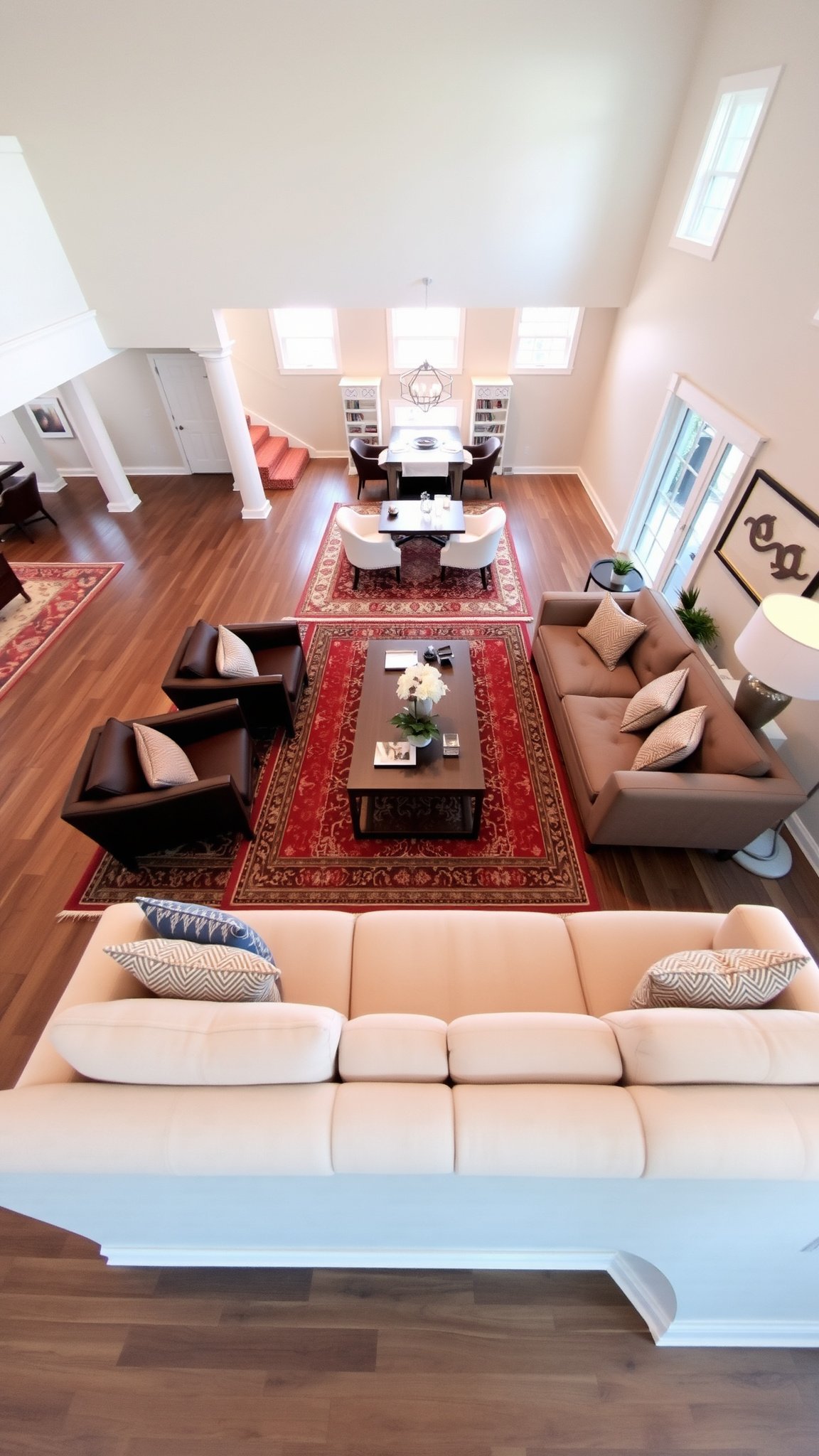
An open concept layout encourages a seamless flow between spaces, making it ideal for socializing and family gatherings. To achieve this look, choose furniture that complements each other in style and color. Incorporate a large sectional sofa that faces a central coffee table, providing ample seating without obstructing pathways. Use area rugs to define spaces and add warmth, while strategically placing accent chairs to create conversation zones.
Furniture Selection and Arrangement
Opt for a neutral color palette with pops of color in throw pillows or artwork. Position the sofa to face focal points like a fireplace or entertainment unit. Ensure there’s enough space for movement, with at least 18 inches between the coffee table and seating. This layout not only enhances comfort but also makes your living area feel more expansive.
Design 2: Cozy Nook Corners
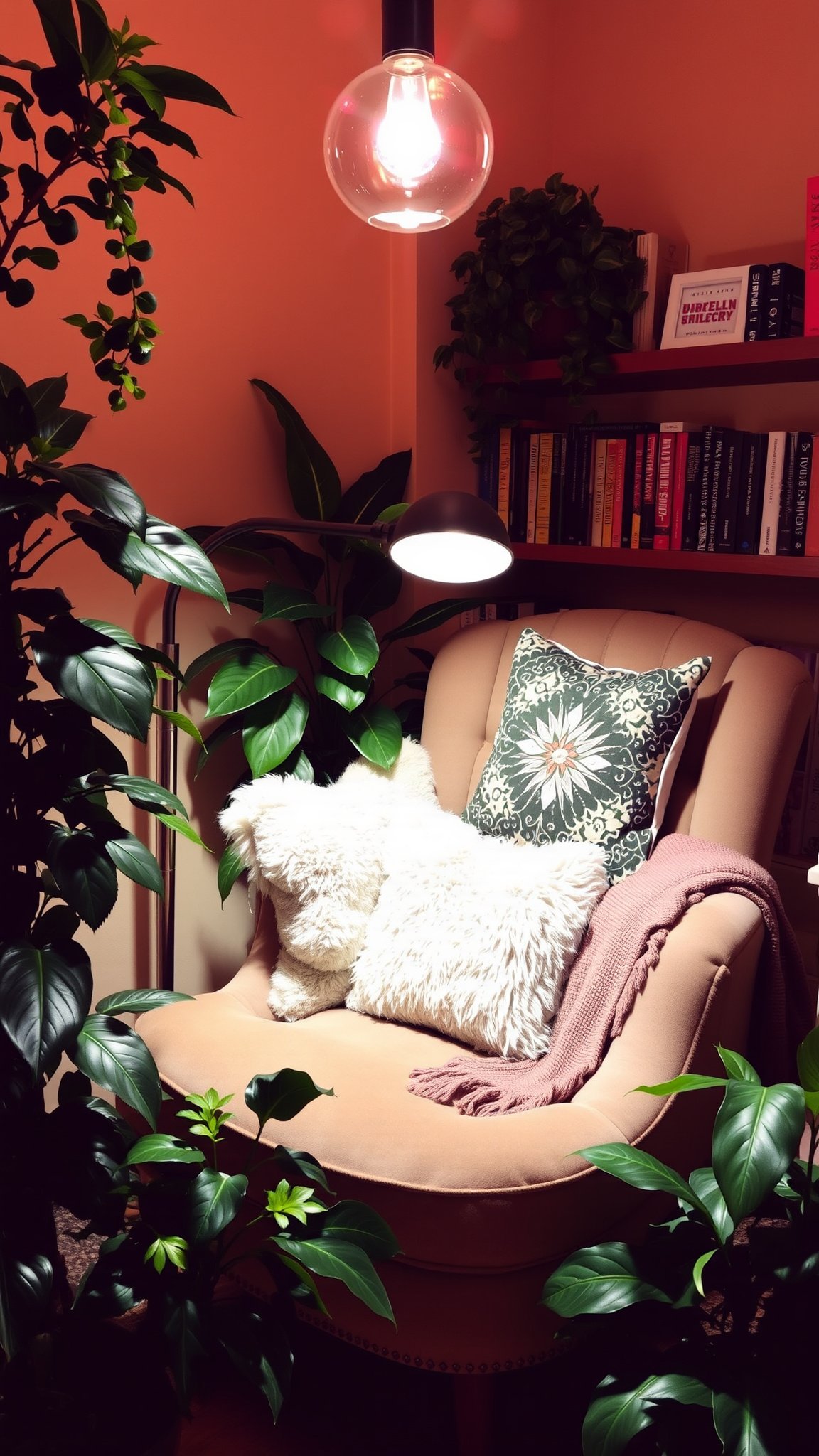
Utilizing corners can create intimate seating areas perfect for reading or relaxation. A cozy nook can be designed with a plush armchair or a small loveseat, paired with a side table. Adding a floor lamp will enhance the ambiance, making it a perfect spot to unwind after a long day.
Decor Details
Incorporate soft textiles such as a throw blanket and decorative cushions to enhance comfort. Surround the nook with plants or bookshelves to create a sense of enclosure and tranquility. This layout encourages a peaceful retreat within your home, adding character and warmth to your living space.
Design 3: Symmetrical Layouts for Balance
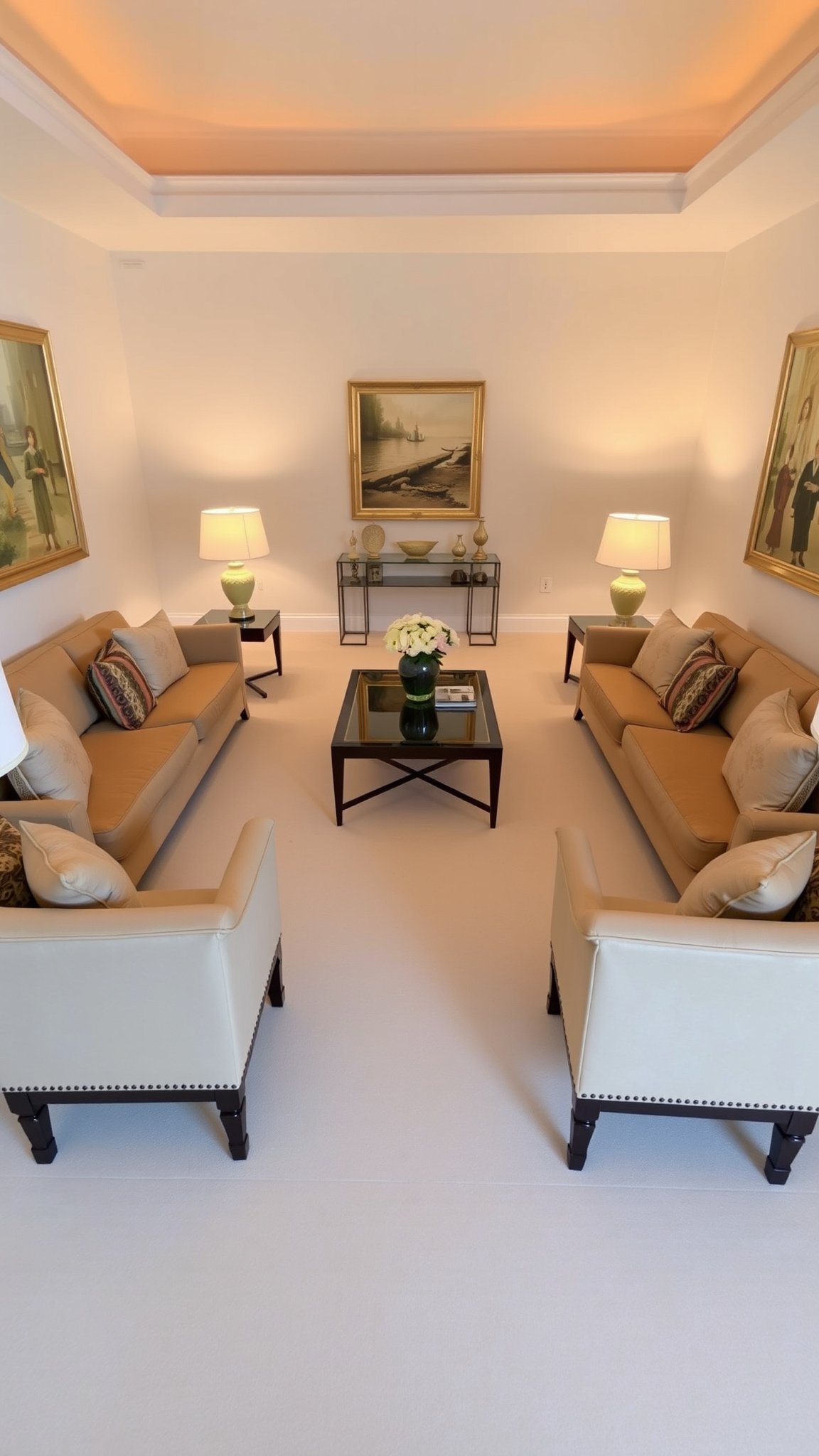
A symmetrical layout brings a sense of order and calm to any living area. By arranging furniture in pairs, such as two identical sofas or side chairs opposite each other, you create balance and harmony. This design is particularly effective in larger spaces where symmetry can draw the eye and create a focal point.
Creating Harmony
Choose a central coffee table that complements the seating arrangements. Incorporate matching side tables or lamps to enhance the symmetry. This layout works well with traditional or contemporary styles and can be enhanced with artwork or mirrors that reflect the symmetry, making the room feel cohesive and inviting.
Design 4: Multi-functional Spaces
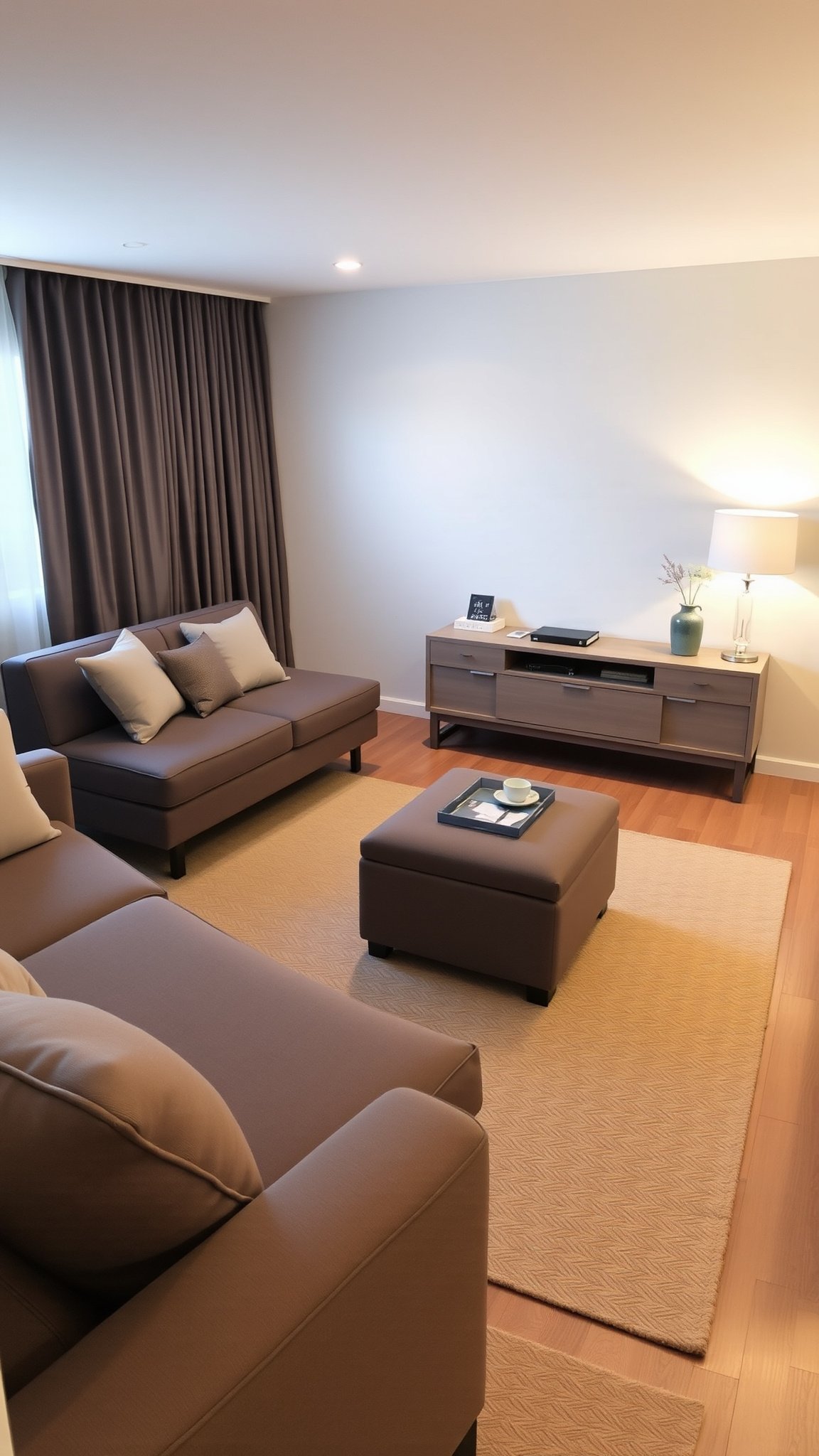
In smaller homes, multi-functional furniture can maximize space without sacrificing comfort. Opt for a sofa bed or an ottoman with storage to create an adaptable environment. Arrange your seating to face the room’s focal point while maintaining flexibility for various activities.
Layout Ideas
Position a slim console table behind the sofa to create a division between spaces while serving as additional storage. Use lightweight chairs that can be easily moved for gatherings. This layout not only allows for social interaction but also provides a practical solution for limited space, ensuring comfort and functionality.
Design 5: Zoning with Area Rugs
Area rugs are powerful tools for defining different zones in an open space. They can be used to separate a living area from a dining space or to create a cozy reading nook. Choose rugs that complement your overall color palette and furniture style.
Creating Zones
Arrange your seating on top of the rug to anchor the space, ensuring that at least the front legs of the sofa and chairs are on the rug. This not only enhances comfort but visually ties the area together. Layering rugs can also add depth and interest, allowing for a stylish yet functional living area.
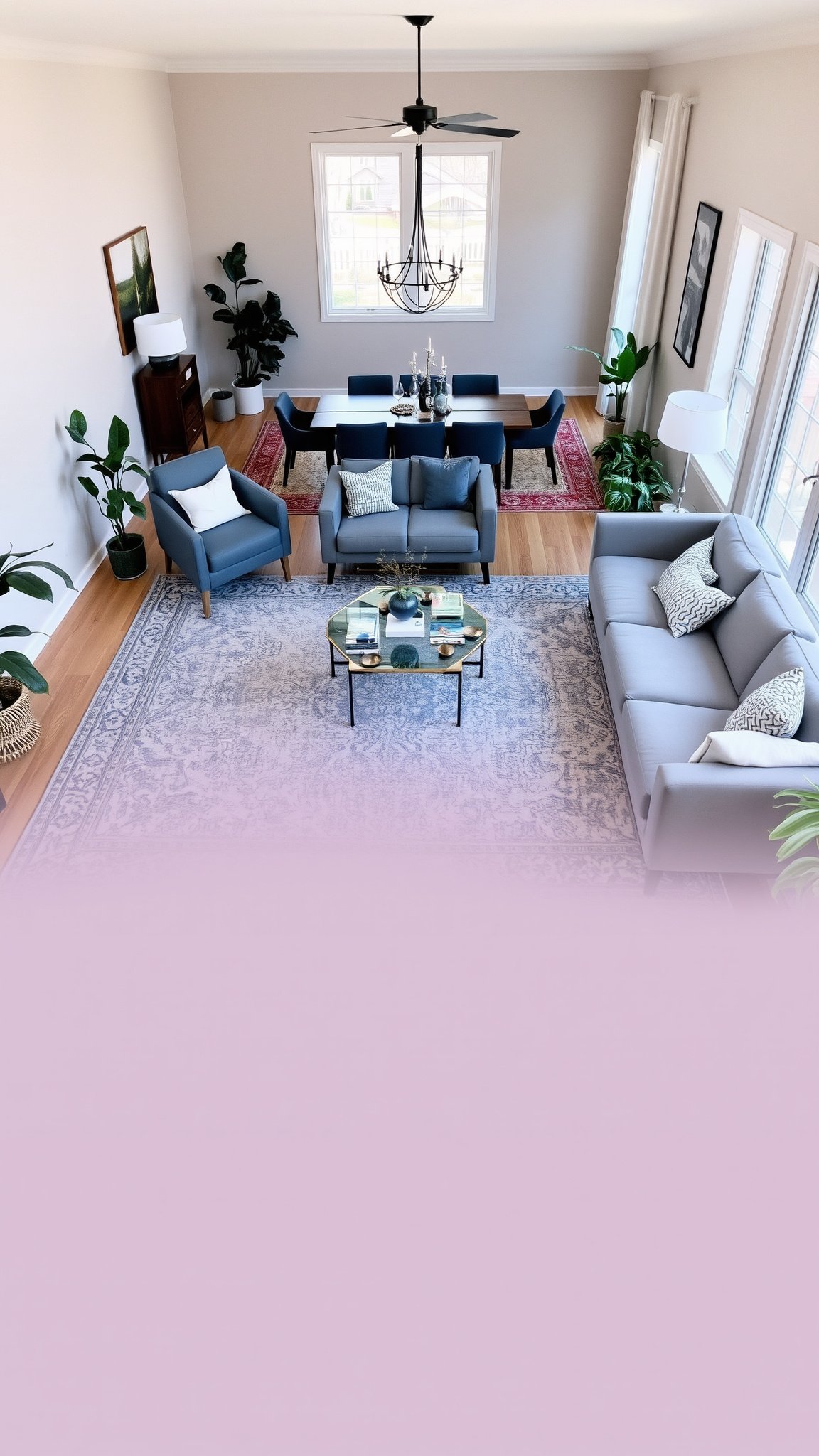
Design 6: Flexible Family Spaces
A family-friendly layout should prioritize comfort and versatility. Use modular furniture that can be rearranged as needed, such as a sectional or individual chairs that can be moved easily. This layout fosters interaction, allowing family members to enjoy activities together.
Practical Arrangement
Position the seating around a central coffee table, ensuring there’s enough space for board games or snacks. Incorporate storage solutions like baskets or ottomans to keep the area tidy and organized. This approach creates a welcoming atmosphere where family members can relax and connect effortlessly.
FAQs
What is the best furniture layout for small living rooms?
For small living rooms, use a sectional sofa to maximize seating while keeping pathways clear. Consider multi-functional furniture and arrange them around a central focal point to create an open feel.
How can I make my living room feel more spacious?
To make your living room feel more spacious, choose lighter color palettes, avoid overcrowding with furniture, and use mirrors to reflect light. Additionally, maintaining clear pathways can open up the area visually.
Should I center my furniture around a TV or a fireplace?
It depends on your priorities. If you frequently watch TV, centering furniture around it is practical. However, if you enjoy a cozy ambiance, a fireplace can serve as a natural focal point for gathering.
Conclusion
Simple furniture layouts are essential for creating comfortable living spaces that reflect your style and meet your needs. By considering the arrangement, color palette, and functionality of each piece, you can design a home that feels inviting and stylish. Whether you prefer an open concept, cozy nooks, or multi-functional spaces, these layouts can help you achieve a harmonious balance between comfort and aesthetic appeal, ensuring your home is a true sanctuary.