
Creating a balanced living room furniture combination can transform your space into a harmonious retreat. Whether you’re aiming for a cozy, inviting atmosphere or a sleek, modern aesthetic, the right blend of furniture can make all the difference. This guide will explore various design concepts, showcasing how to achieve a balanced look that reflects your style while maximizing comfort and functionality. From selecting the perfect sofa to incorporating accent pieces, let’s dive into the world of balanced living room furniture combinations.
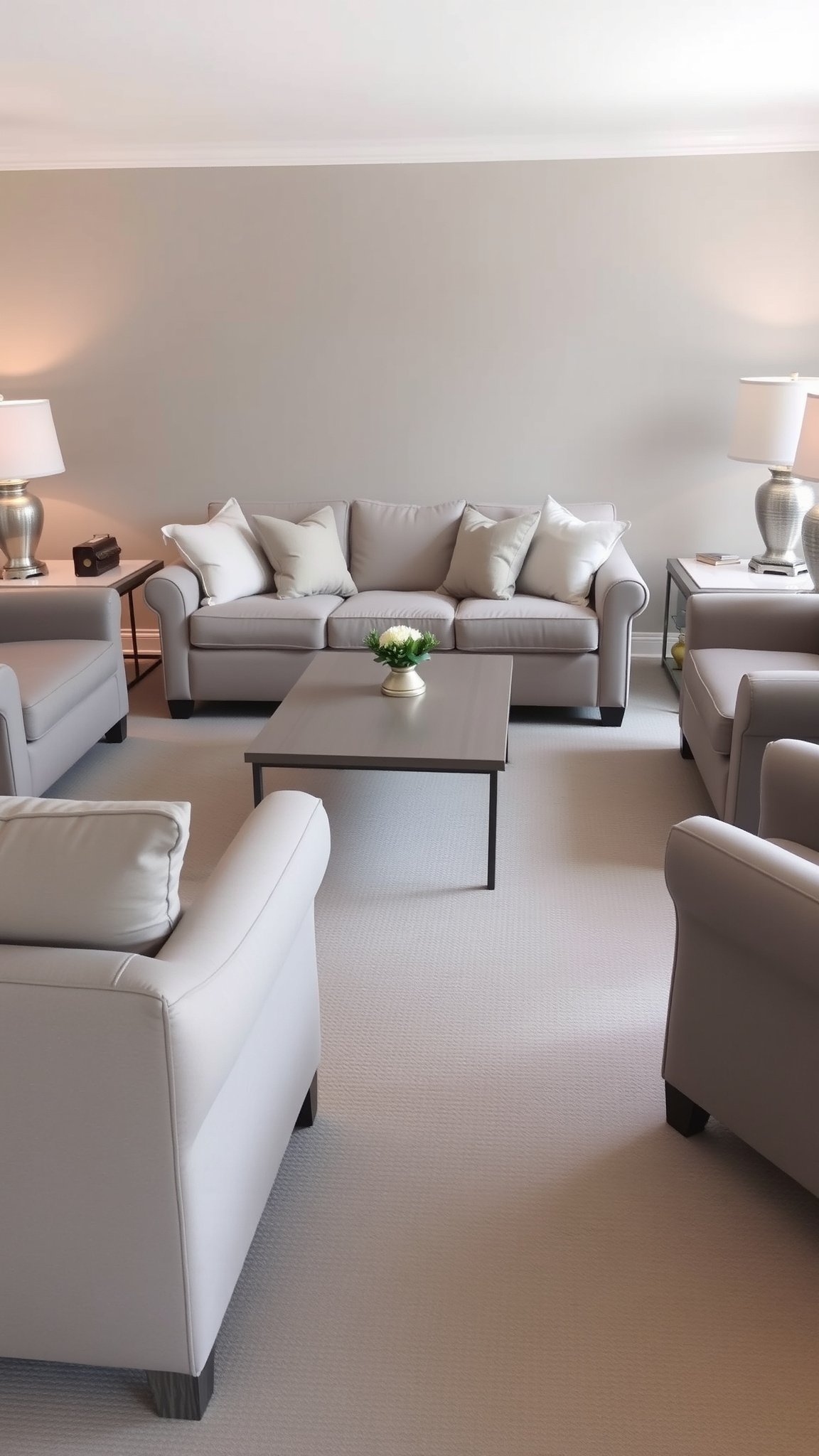
Design 1: Symmetrical Arrangement for Classic Elegance
A symmetrical arrangement is the hallmark of classic elegance and creates a pleasing sense of order. To achieve this look, place your main sofa in the center of the room, flanked by matching armchairs on either side. Choose a color palette that complements your decor, such as soft grays or muted earth tones. Incorporate a coffee table in the middle, ensuring it is proportional to your seating. To enhance the symmetry, use matching side tables with lamps on both ends. This style not only looks sophisticated but also creates a welcoming environment for conversation.
Key Elements to Consider
When implementing symmetry, focus on the scale and proportion of your furniture. Use pieces that are similar in size and style to maintain balance. Add decorative elements, such as artwork or plants, in pairs to reinforce the symmetrical theme.
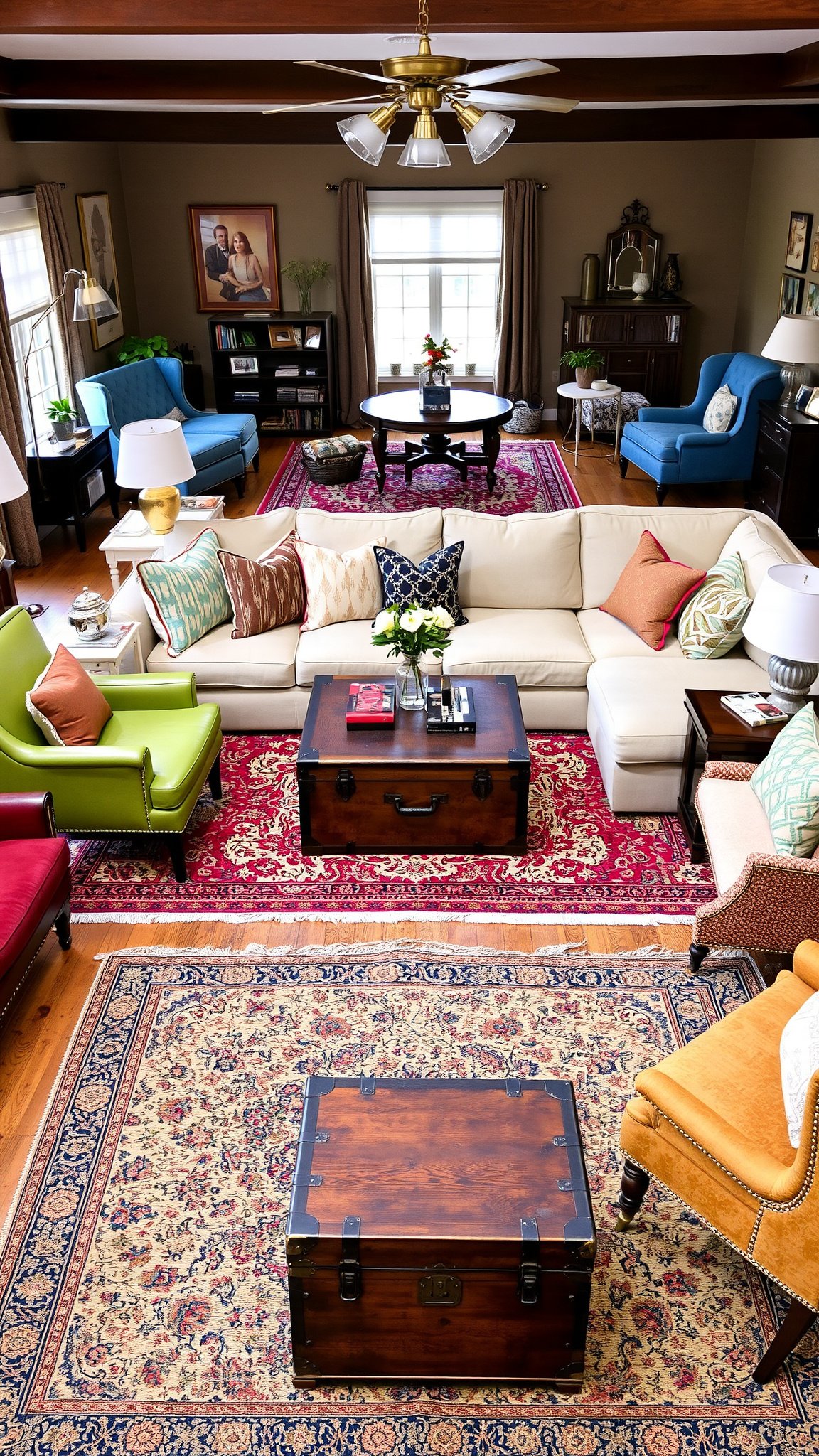
Design 2: Asymmetrical Balance for Eclectic Charm
If you prefer a more relaxed vibe, an asymmetrical layout can bring an eclectic charm to your living room. Start with an oversized sectional sofa that anchors the space. Arrange a variety of accent chairs in different styles and colors nearby to create visual interest. Pair these with a unique coffee table, such as a vintage trunk or a modern sculptural piece. Layer rugs for texture and use various lighting sources, like floor lamps and table lamps, to create a cozy ambiance. This approach allows for personal expression while ensuring the room feels cohesive.
Mixing Textures and Styles
To achieve asymmetrical balance, focus on mixing different textures and styles. Incorporate materials like leather, wood, and fabric to enhance depth. Choose a cohesive color palette to tie the elements together, ensuring they complement rather than clash.
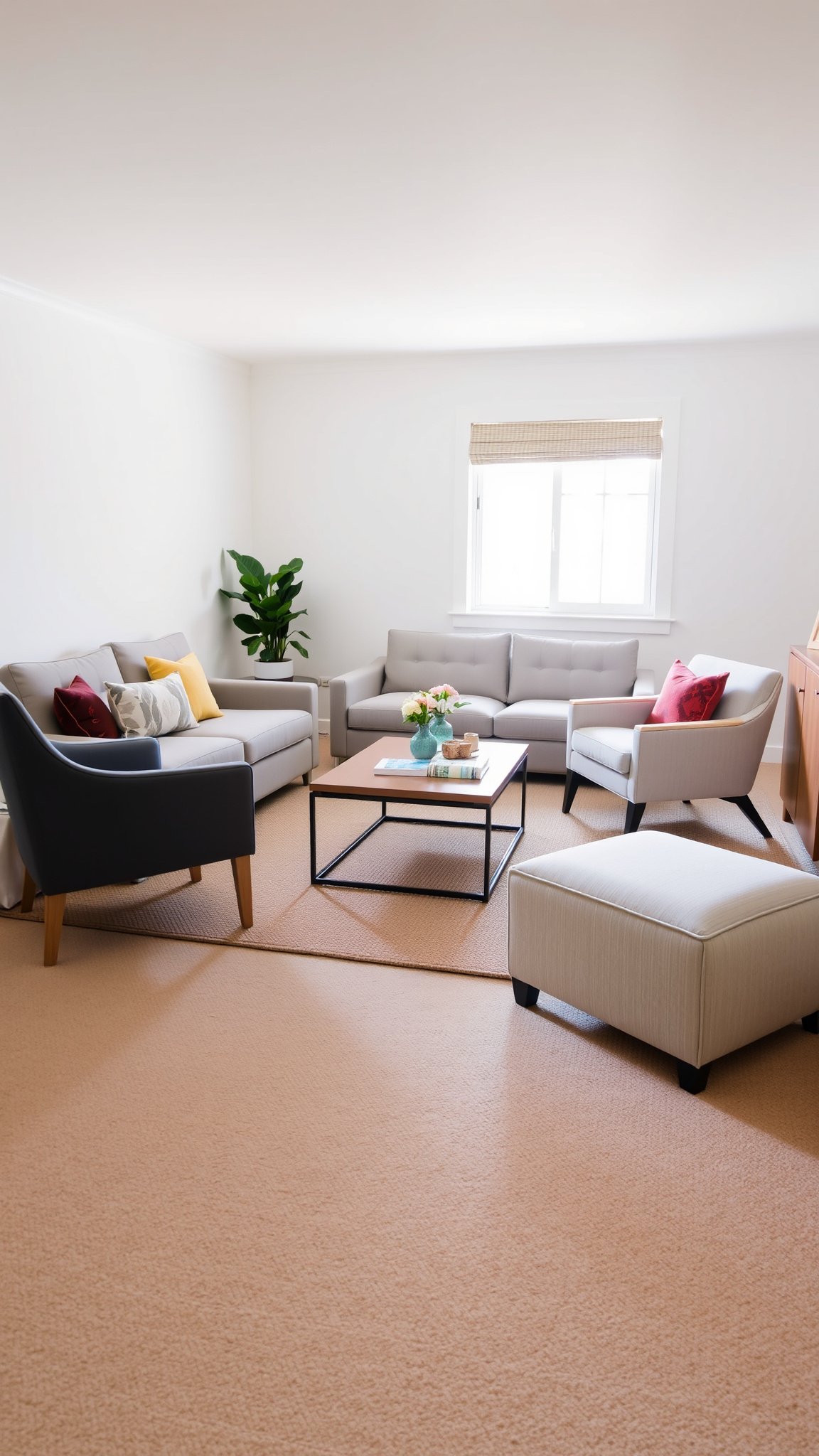
Design 3: Minimalistic Approach for Space Optimization
For smaller living rooms, a minimalistic approach can optimize space while maintaining style. Select a sleek, low-profile sofa with clean lines and pair it with a couple of streamlined accent chairs. Opt for a compact coffee table that doesn’t overwhelm the space. Stick to a neutral color palette with pops of color in cushions or accessories. Utilize multifunctional furniture, such as ottomans that double as storage, to keep the room uncluttered. This design emphasizes simplicity and functionality, making the area feel larger and more open.
Choosing the Right Furniture
When selecting furniture for a minimalistic design, prioritize quality over quantity. Choose a few statement pieces that stand out while serving practical purposes. Avoid overcrowding the room with excessive decor to enhance the feeling of openness.
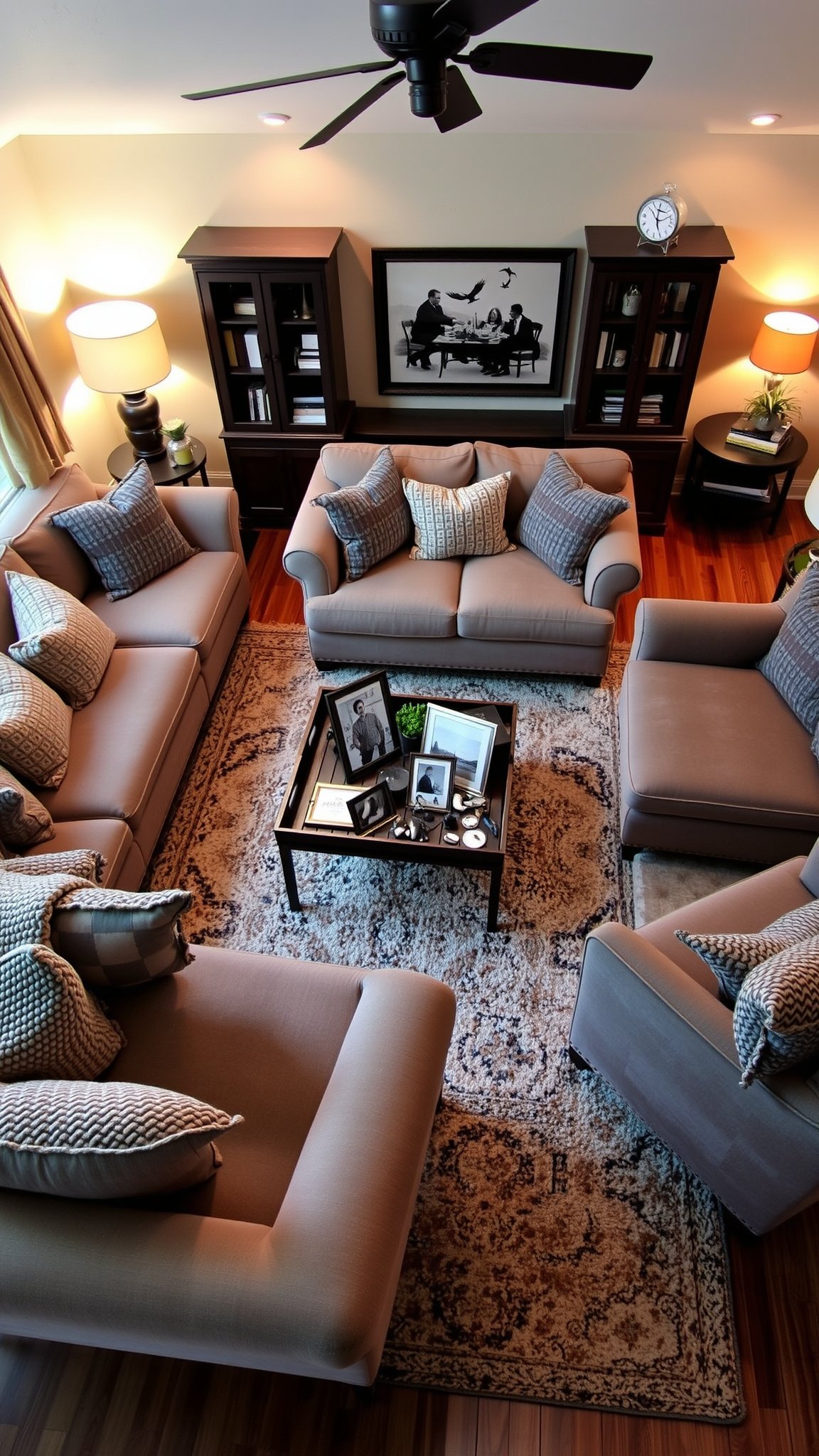
Design 4: Layered Comfort for a Cozy Atmosphere
Creating a layered comfort look involves combining various seating options and textures for an inviting ambiance. Start with a plush sofa and add a couple of oversized armchairs or a chaise lounge for extra seating. Use a large area rug to define the space and soften the flooring. Incorporate textured throw pillows and blankets in varying fabrics for added warmth. Accent the look with a mix of lighting sources, including dimmable overhead lights and cozy table lamps. This design promotes relaxation and makes the living room a perfect gathering spot.
Incorporating Personal Touches
To enhance the layered comfort design, include personal touches like family photos or travel souvenirs. Use decorative trays to organize small items on coffee tables, creating a curated yet effortless look. These elements not only add character but also make the space feel uniquely yours.
Design 5: Bold Color Combinations for a Modern Flair
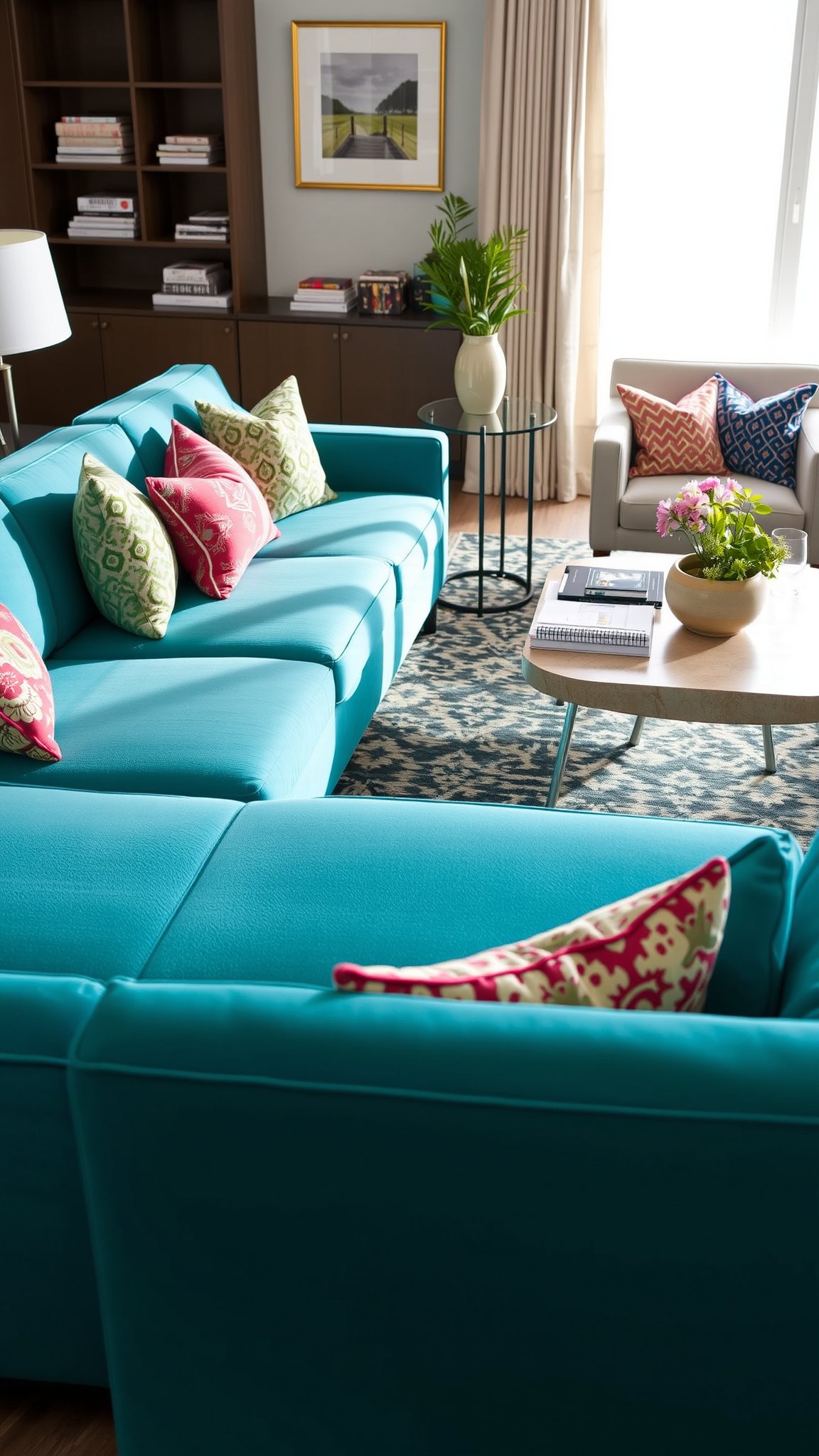
If you’re drawn to bold aesthetics, consider a design that focuses on vibrant color combinations. Start with a striking sofa in a bold hue, such as teal or mustard yellow. Pair it with neutral chairs to balance the visual weight. Incorporate colorful accent pillows and a patterned rug to tie the look together. Use art pieces that feature similar colors to create a cohesive theme. This approach allows for playful expression while maintaining a stylish and modern feel.
Balancing Boldness with Neutrals
To ensure the bold colors don’t overwhelm the space, balance them with neutral tones in your furniture and decor. This technique helps anchor the room while allowing the vibrant colors to shine. Experiment with various textures to add depth without cluttering the design.
FAQs
What is the best way to balance a living room layout?
The best way to balance a living room layout is to consider the scale and proportion of your furniture. Use a combination of symmetrical and asymmetrical arrangements to create visual harmony. Ensure that your seating options and accessories complement each other in size and style.
How can I make a small living room feel larger?
To make a small living room feel larger, choose furniture with a low profile and use a light color palette. Opt for multifunctional pieces and avoid overcrowding the space with decor. Mirrors can also help create the illusion of more space by reflecting light.
What are some tips for choosing a color palette for a living room?
When choosing a color palette for your living room, consider your personal style and the mood you want to create. Start with a neutral base and add one or two accent colors. Use fabrics, artwork, and decorative elements to bring these colors together cohesively.
How do I incorporate personal style into my living room?
Incorporate personal style into your living room through decorative accents, such as artwork, photographs, and unique furniture pieces that reflect your taste. Mixing textures and styles can also showcase your personality while maintaining a balanced look.
Conclusion
Achieving a balanced living room furniture combination requires thoughtful consideration of layout, color, and decor. Whether you prefer symmetrical elegance or eclectic charm, there are endless possibilities to create a space that feels inviting and stylish. By carefully selecting your furniture and accessories, you can design a living room that reflects your personal style while providing comfort and functionality. Embrace these design concepts to craft a beautiful living space that you and your guests will love.