
In the world of home decor, the Japandi style seamlessly blends the minimalist elegance of Japanese design with the cozy warmth of Scandinavian aesthetics. This unique fusion creates a serene environment that promotes tranquility and functionality, making it perfect for modern homes. If you’re looking to transform your space into a peaceful retreat, exploring Japandi furniture ideas can provide you with inspiration and guidance to achieve that sought-after balance of beauty and practicality.
Design 1: Organic Shapes and Natural Materials
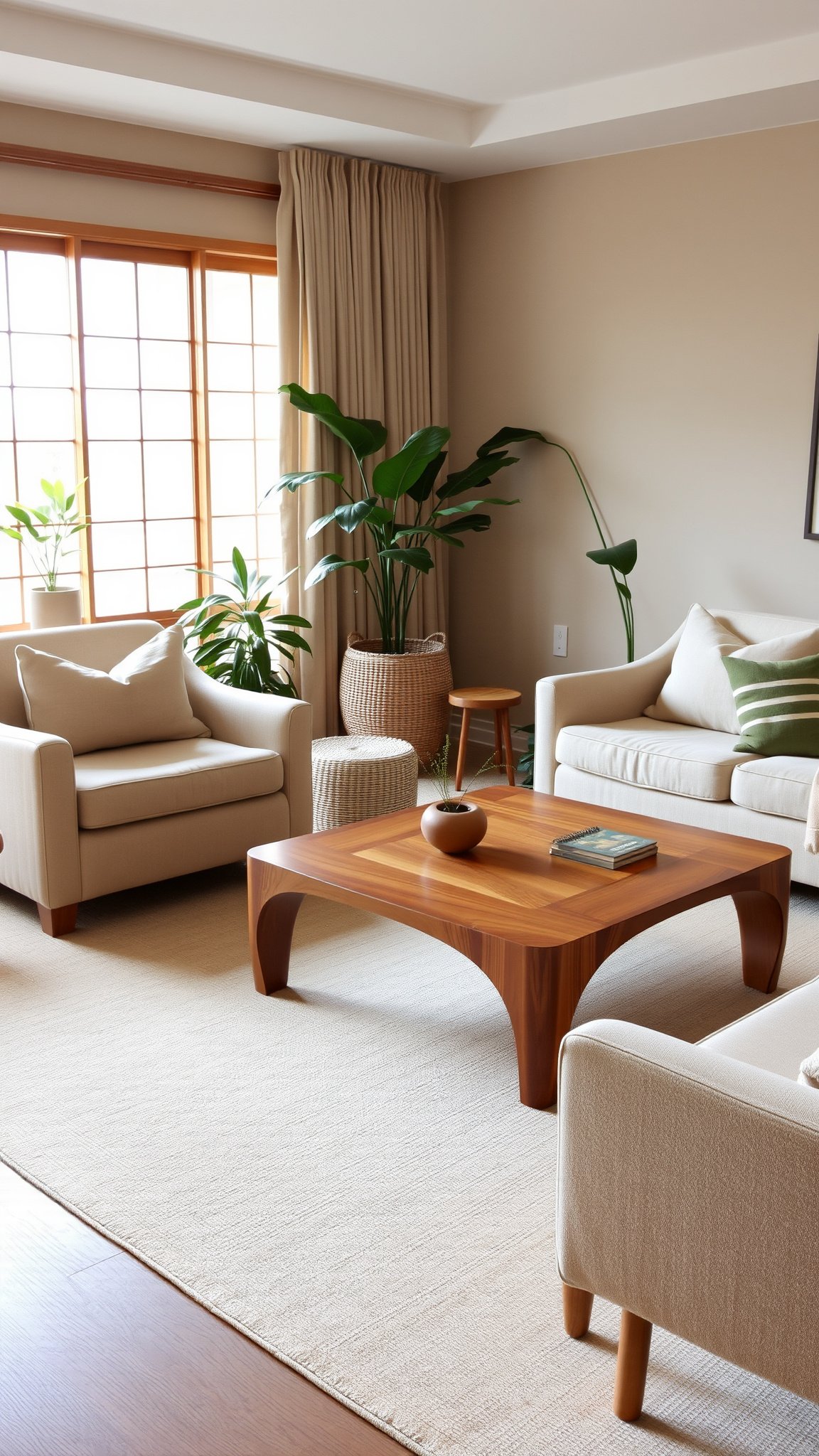
Emphasizing natural forms and materials is central to the Japandi style. Furniture made from wood, bamboo, and rattan not only adds warmth but also a sense of connection to nature. Consider incorporating a low-profile wooden coffee table with curved edges that invites conversation and relaxation. Pair it with chairs that have a soft finish, such as a gently curved armchair upholstered in natural linen.
Color Palette
Opt for earthy tones like soft beiges, muted greens, and warm browns to enhance the organic feel. These colors can be beautifully complemented by the addition of indoor plants, which also contribute to a calming atmosphere.
Design 2: Minimalist Furniture with Multi-Functionality
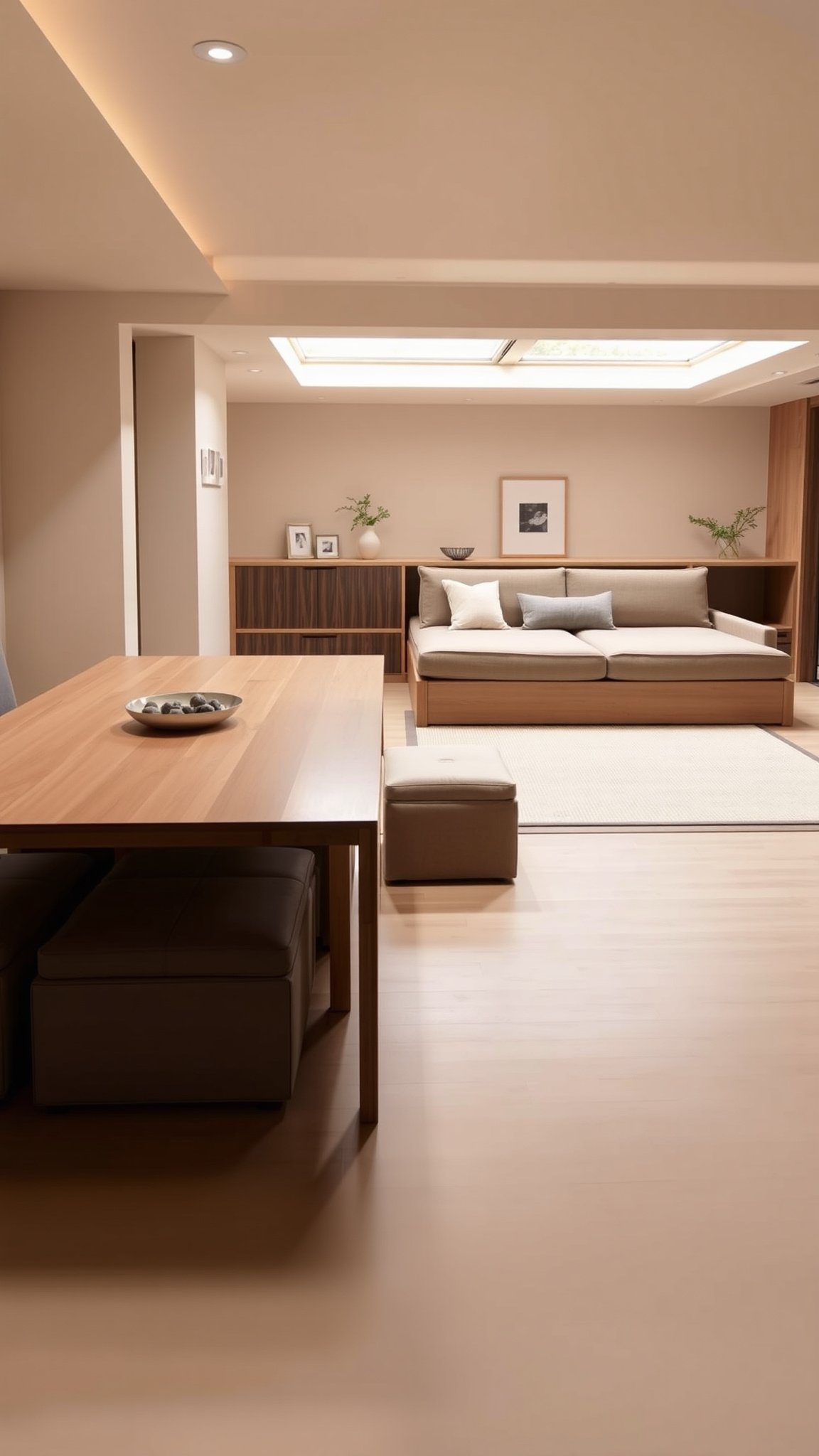
In Japandi interiors, less is often more. Choose furniture pieces that serve multiple purposes to maintain a clean and uncluttered space. A sleek sofa bed can transform a living room into a guest area without sacrificing style. Look for designs that offer hidden storage, such as ottomans that can be used as both seating and storage solutions.
Layout Ideas
Arrange your furniture to promote flow and ease of movement. For instance, position a minimalist dining table in the center of an open-plan space, allowing for an inviting gathering area that doesn’t feel cramped.
Design 3: Layered Textiles for Comfort
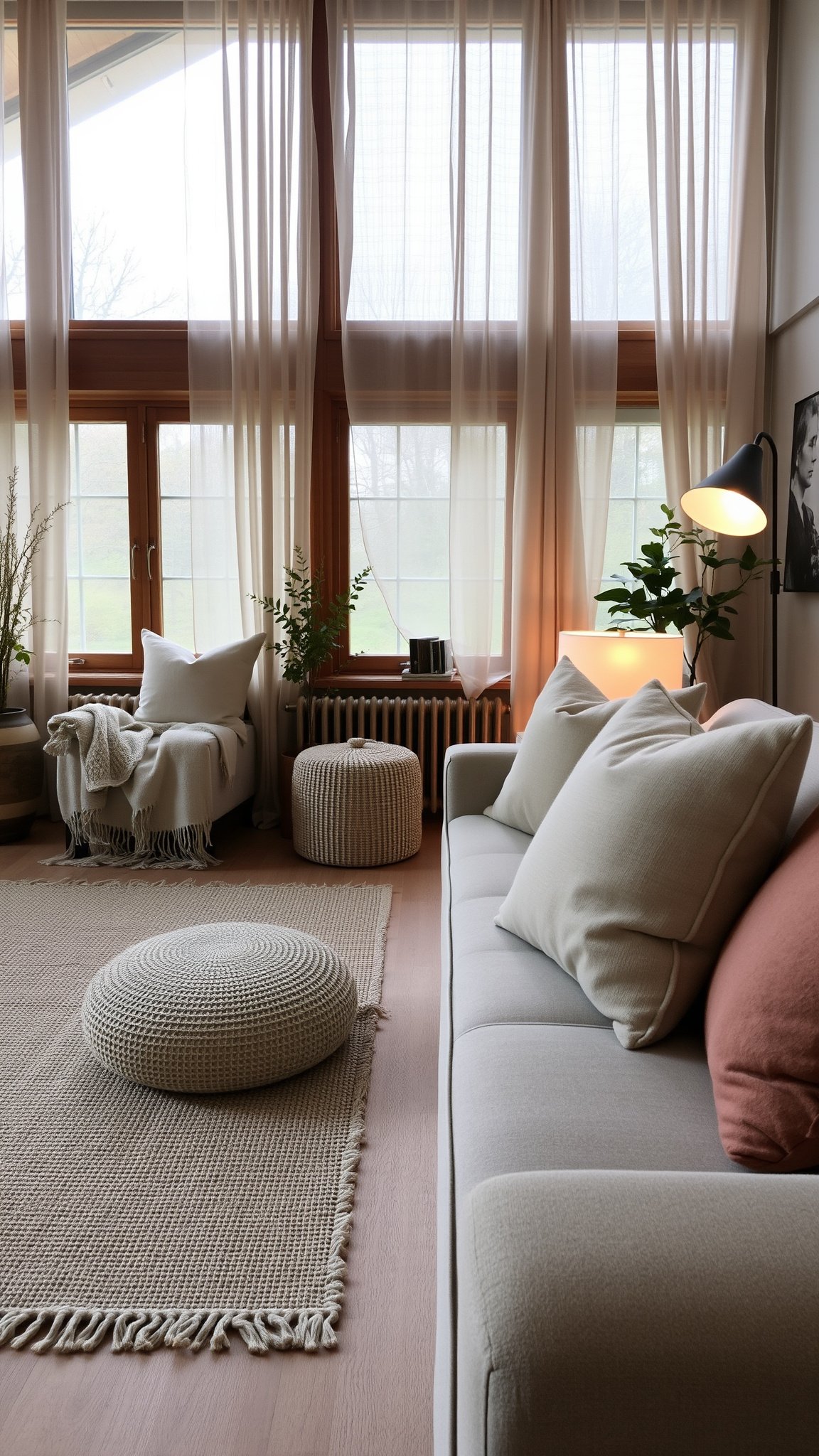
To create an inviting atmosphere, incorporate layered textiles that add depth and coziness to your Japandi decor. Soft wool throws, textured cushions, and natural fiber rugs can enhance comfort without overwhelming the space. Look for textiles in muted colors or subtle patterns that harmonize with the overall aesthetic.
Lighting Considerations
Natural light plays a vital role in Japandi design. Choose window treatments that allow light to filter through, such as sheer linen curtains. For artificial lighting, opt for simple pendant lights or floor lamps with warm, soft light to create a soothing ambiance during the evening.
Design 4: Statement Pieces with Simple Lines
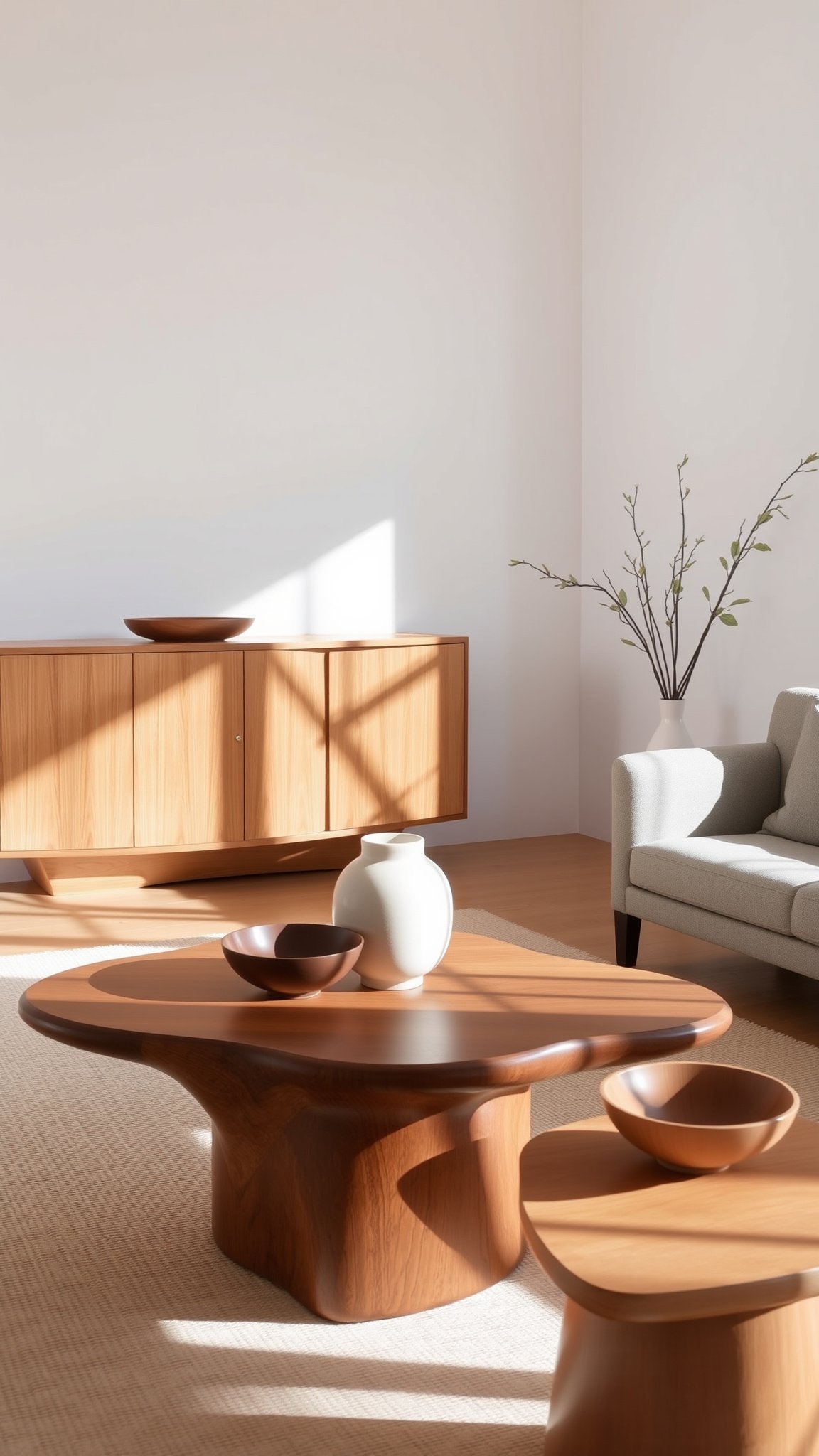
Incorporating statement furniture pieces can add character to your space while still adhering to the Japandi ethos of simplicity. Look for a sculptural sideboard or a coffee table with clean lines and a unique shape. These elements can serve as focal points that draw the eye without cluttering the aesthetic.
Accessorizing Thoughtfully
When accessorizing, choose decor items that reflect a balance of function and beauty. A handcrafted ceramic vase or a simple wooden bowl can serve as an elegant centerpiece without detracting from the overall simplicity of the room.
Design 5: Harmonious Color Combinations
The Japandi style thrives on a harmonious color palette that fosters a sense of peace. Consider soft pastels or muted jewel tones that align with nature, such as sage green or deep navy. These colors can be beautifully integrated into furniture selections, accent walls, or decorative accessories.
Creating a Cohesive Look
To maintain a cohesive look, ensure that the various hues used throughout the space complement each other. A well-chosen rug can tie the room together, providing a visual anchor for your furniture arrangement.
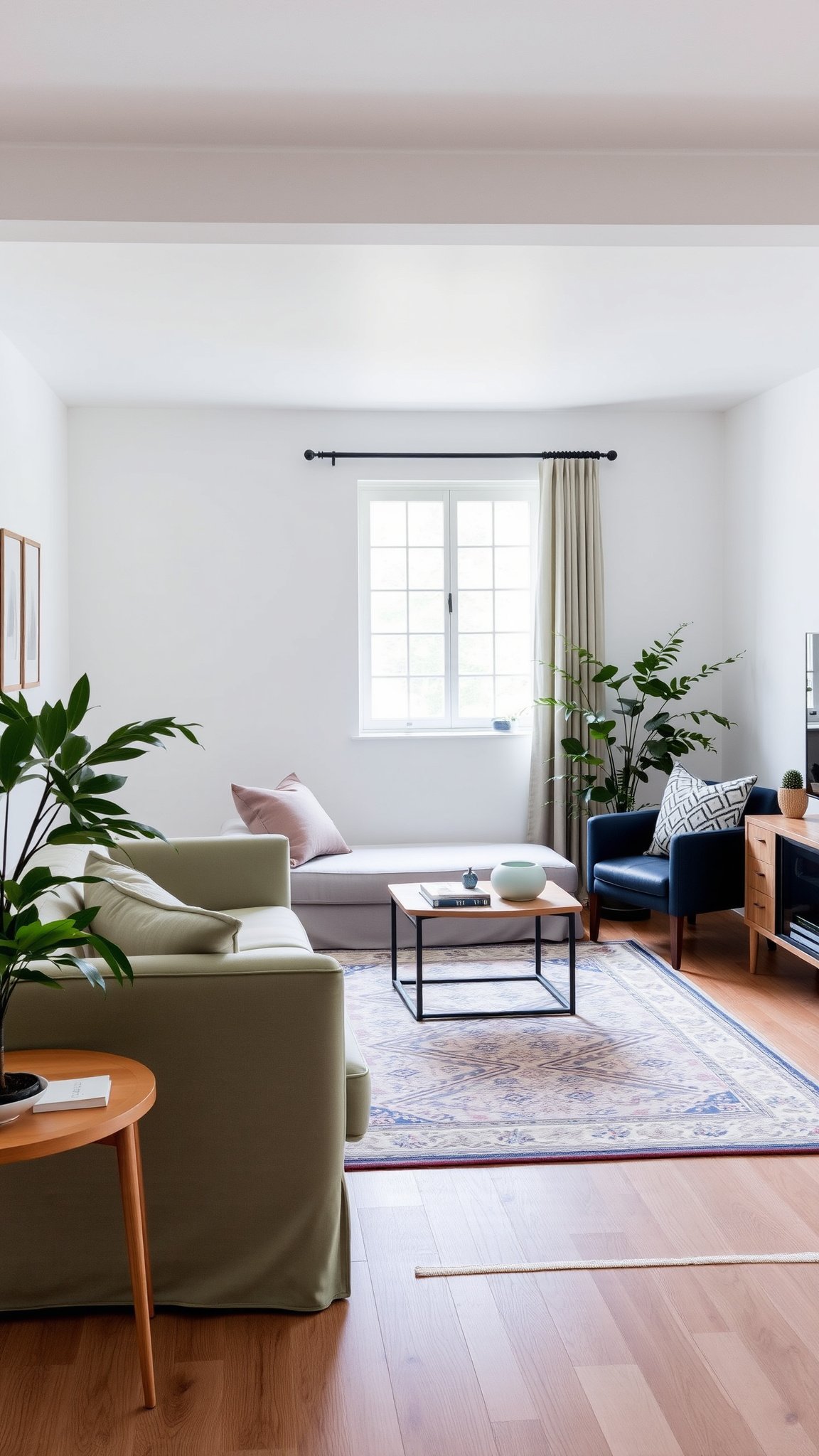
Design 6: Embracing Open Spaces
Japandi design emphasizes the importance of open spaces and minimal clutter. Use furniture that maintains a sense of openness, such as low-profile sofas and transparent side tables. This approach not only enhances the flow of the room but also fosters a peaceful atmosphere that encourages relaxation.
Incorporating Zen Elements
Consider adding Zen-inspired elements, such as a small indoor water feature or a rock garden, to further enhance the tranquil vibe of your home. These features can create a meditative space that aligns perfectly with the Japandi philosophy.
FAQs
What are the key characteristics of Japandi style?
Japandi style is characterized by a blend of Japanese minimalism and Scandinavian warmth. Key features include natural materials, a neutral color palette, multifunctional furniture, and an emphasis on simplicity and comfort.
How can I achieve a Japandi look in a small space?
To achieve a Japandi look in a small space, focus on selecting furniture that serves multiple purposes and opt for light colors to create an illusion of more space. Minimalist decor and strategic use of mirrors can also help enhance the openness of the area.
What types of materials are commonly used in Japandi furniture?
Common materials in Japandi furniture include wood (especially light woods like pine and birch), bamboo, rattan, and natural textiles such as linen and cotton. These materials emphasize a connection to nature and promote a calming atmosphere.
Conclusion
Incorporating Japandi furniture ideas into your home can create a peaceful, modern environment that balances beauty and functionality. By focusing on organic shapes, minimalism, layered textiles, and harmonious color combinations, you can transform your space into a tranquil retreat. These design principles not only enhance the aesthetics of your home but also contribute to a sense of calm and well-being, making it a perfect sanctuary for relaxation and mindfulness.