
Designing a small space can be both a challenge and an exciting opportunity to showcase creativity. Smart furniture layout ideas can transform even the coziest of corners into functional and inviting areas. Whether you’re working with a studio apartment, a tiny bedroom, or a compact living area, making the most of your square footage is essential. This article will explore innovative furniture arrangements that maximize space, enhance comfort, and reflect your personal style, encouraging you to reimagine your small home.
Design 1: Open-Concept Living with Multifunctional Pieces
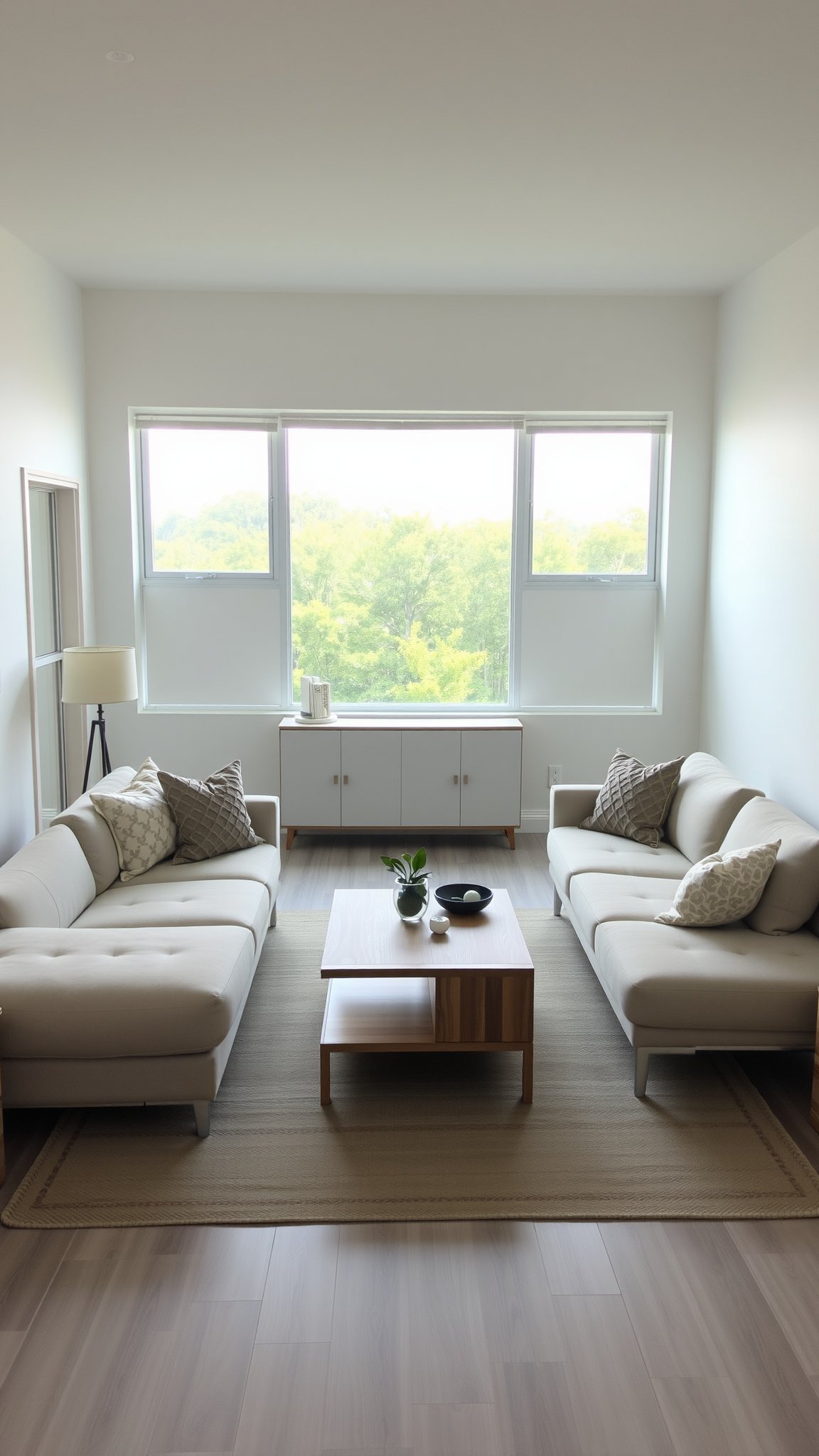
Embracing an open-concept layout allows for fluidity and versatility in small spaces. Opt for multifunctional furniture such as a sofa bed or a coffee table that doubles as storage. Choose lightweight pieces that can easily be moved around to adapt to various needs. For instance, a sectional sofa can define the living area while maintaining an airy feel. Select a cohesive color palette with light hues to create an illusion of more space.
Layout Tips
Position the sofa to face the focal point of the room, such as a window or a television. Use area rugs to delineate different zones, and consider a slim console table behind the sofa for added functionality without crowding the space. Add a few decorative pillows to enhance comfort and style.
Design 2: Vertical Storage Solutions for Clutter-Free Living
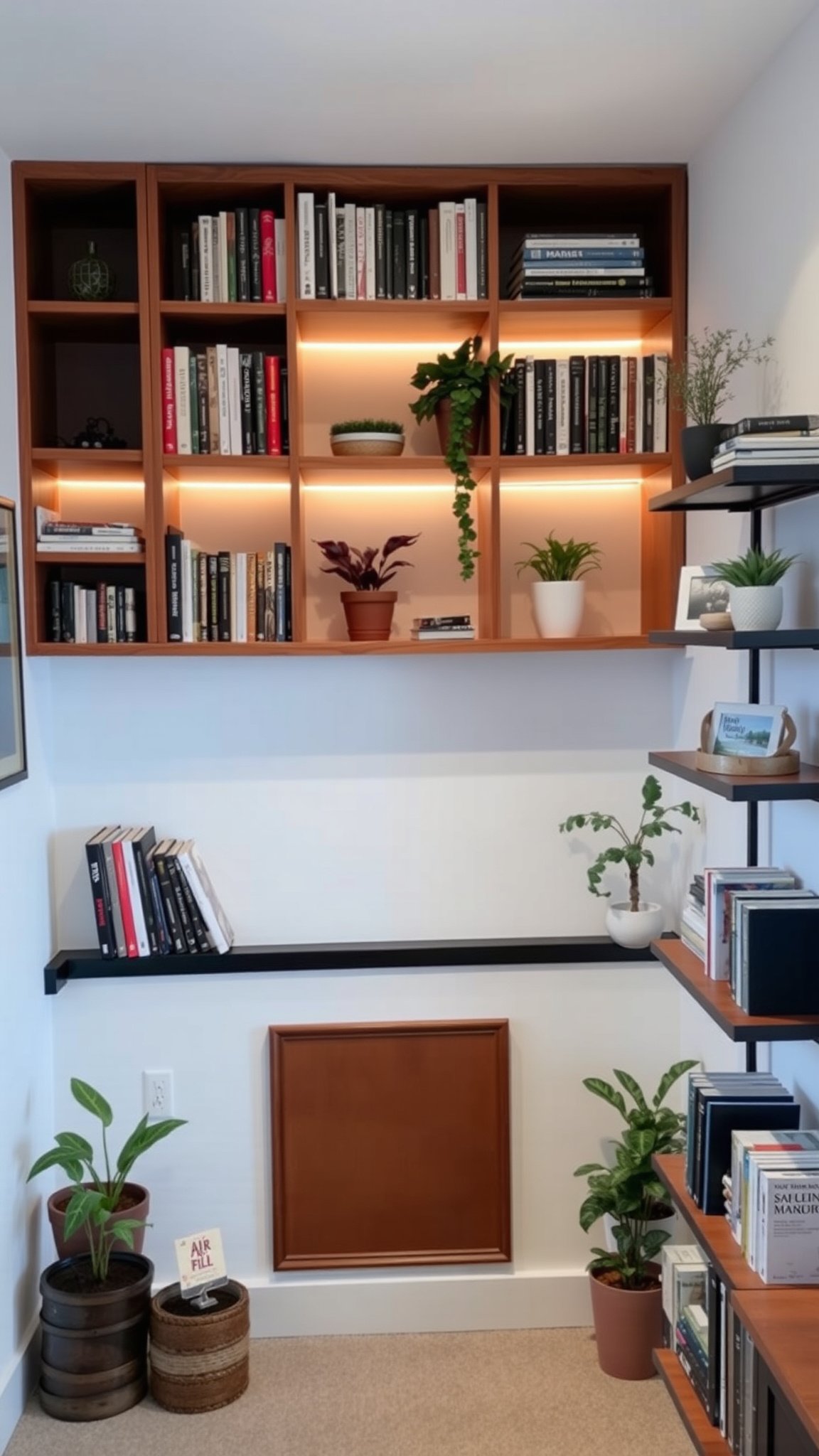
In a small space, maximizing vertical space is crucial for maintaining organization. Incorporate tall bookshelves or wall-mounted shelves to draw the eye upward and create additional storage areas. This not only keeps the floor clear but also adds an element of design to your walls.
Effective Use of Shelving
Place books, plants, or decorative items on these shelves to personalize your space. Consider using a ladder shelf for a trendy touch, and make sure to mix materials, such as wood and metal, for visual interest. This approach enhances the small area while providing ample storage options, making it feel both spacious and stylish.
Design 3: Zoning with Area Rugs and Furniture Placement
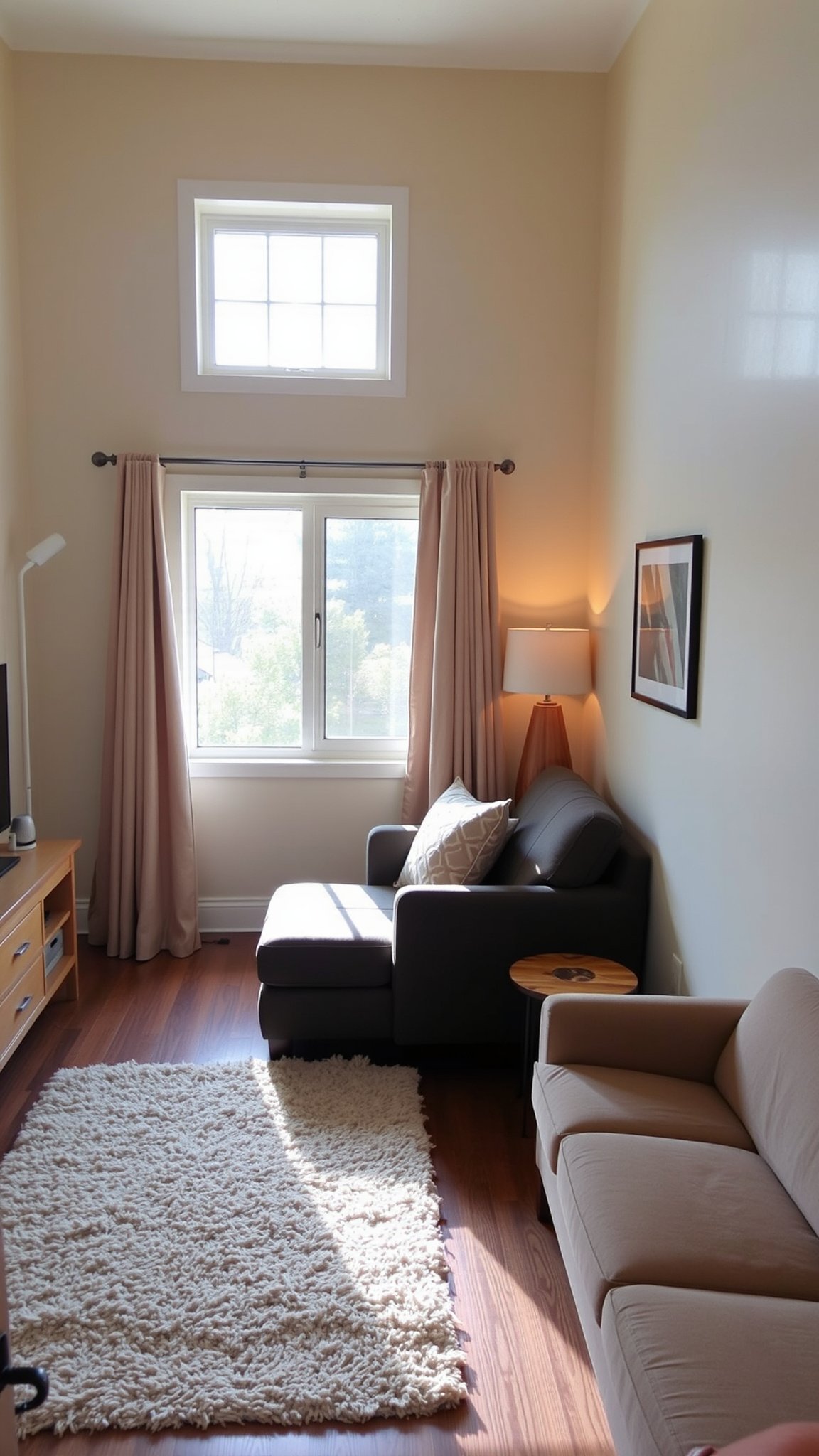
Creating distinct zones in a small space can help it feel larger and more organized. Utilize area rugs to define different functional areas, such as a living zone and a workspace. This separation allows for a clear distinction between activities while maintaining an open flow.
Strategic Furniture Arrangement
Place furniture to encourage natural pathways and traffic flow. For example, position a small desk near a window, allowing for natural light while keeping it separate from the living area. A well-placed rug can anchor furniture, adding warmth and texture while enhancing the overall aesthetic.
Design 4: The Power of Mirrors for Depth and Light
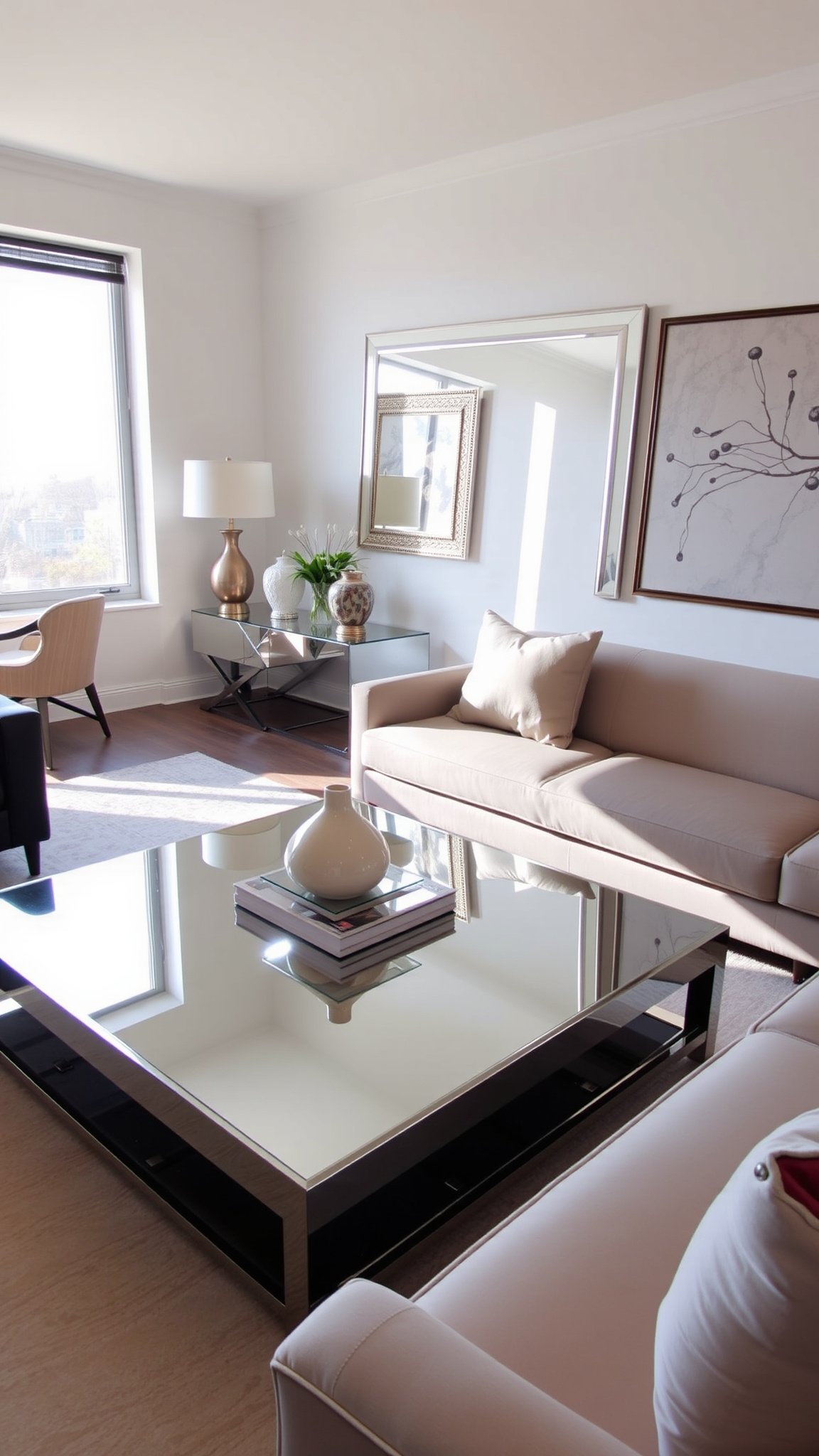
Mirrors are a small space designer’s best friend. They can create the illusion of depth and brightness, making a room feel more expansive. Strategically placing mirrors opposite windows or light sources can reflect natural light, enhancing the room’s ambiance.
Mirror Placement Ideas
Choose oversized mirrors to make a bold statement or a series of smaller mirrors arranged in an artistic layout. Hang them at eye level to maximize their visual impact. Incorporating mirrored furniture, like a coffee table or dresser, can also contribute to a more open feel, reflecting your decor and surroundings.
Design 5: Smart Dining Solutions for Tiny Spaces
Dining in a small space doesn’t have to be a compromise. Look for space-saving dining tables, such as drop-leaf or extendable options that can adapt to your needs. Folding chairs can be neatly tucked away when not in use, maintaining a clean and spacious look.
Creating an Intimate Dining Area
Design a cozy nook by placing the table near a window or under a statement light fixture to create an inviting atmosphere. Add a bench along one side of the table for additional seating without taking up too much space. Use placemats and centerpieces that can easily be removed to keep the area functional and stylish.
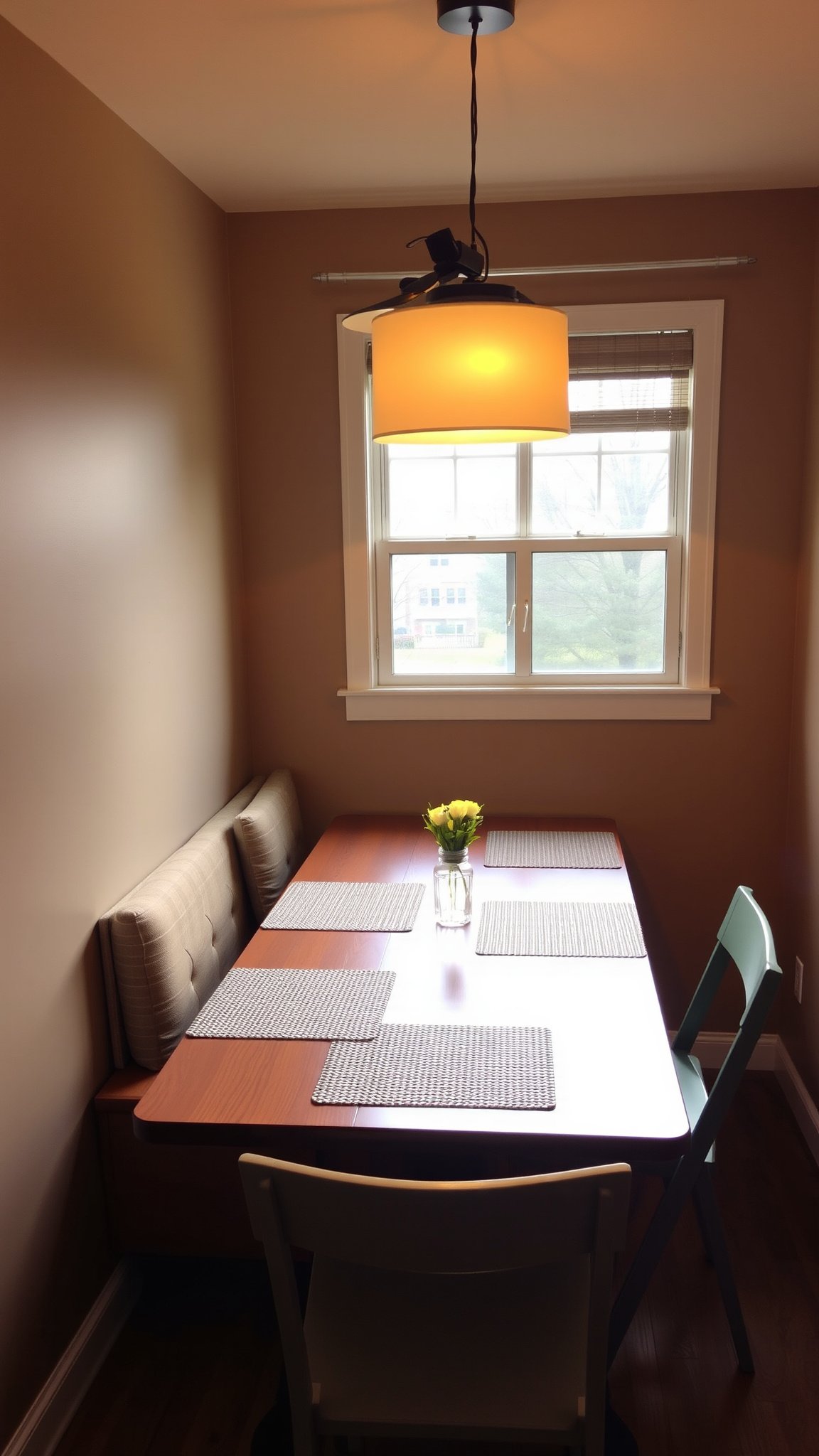
Design 6: Built-In Furniture for Seamless Integration
Built-in furniture can be a game-changer for small spaces, providing custom solutions that maximize every inch. Consider built-in shelves, benches, or desks that blend seamlessly with the architecture of your home. This approach not only saves space but also adds a polished, cohesive look.
Functional Built-In Ideas
Design a built-in bed frame with storage drawers underneath to free up floor space. A window seat with hidden storage can serve as both a functional element and a cozy reading nook. These tailored solutions enhance usability while maintaining a sleek aesthetic.
FAQs
How can I make a small room look bigger?
To make a small room appear larger, use light colors on walls and furniture, incorporate mirrors, and choose furniture with legs to create an open feel. Keep decorations minimal to avoid a cluttered look.
What types of furniture are best for small spaces?
Look for multifunctional furniture, such as sofa beds, storage ottomans, and extendable tables. Lightweight and modular pieces that can be easily rearranged are also ideal for adapting to different needs.
How do I arrange furniture in a small living room?
Focus on creating a conversational layout by placing seating around a central point, like a coffee table or a fireplace. Leave enough space for pathways and avoid overcrowding the room with too many large pieces.
Can I have a dining area in a small kitchen?
Yes, you can create a dining area in a small kitchen by using compact furniture, such as a bistro table with stools. Consider utilizing wall space for shelving or hanging storage to maintain a functional kitchen layout.
Conclusion
Smart furniture layout ideas are essential for transforming small spaces into beautiful, functional homes. By incorporating multifunctional pieces, maximizing vertical space, and creating distinct zones, you can achieve a harmonious balance between comfort and style. Remember, creativity and thoughtful planning can turn any small area into a stylish sanctuary that reflects your unique taste and lifestyle.