
Minimalist furniture styling is about creating an elegant, clutter-free space that emphasizes simplicity and functionality. In modern homes, this approach not only enhances aesthetic appeal but also promotes a serene environment. By focusing on essential pieces and thoughtful design choices, you can achieve a harmonious balance that resonates with contemporary living. This article will explore various minimalist furniture styling tips that will inspire you to transform your space into a stylish haven.
Design 1: Embrace Neutral Color Palettes
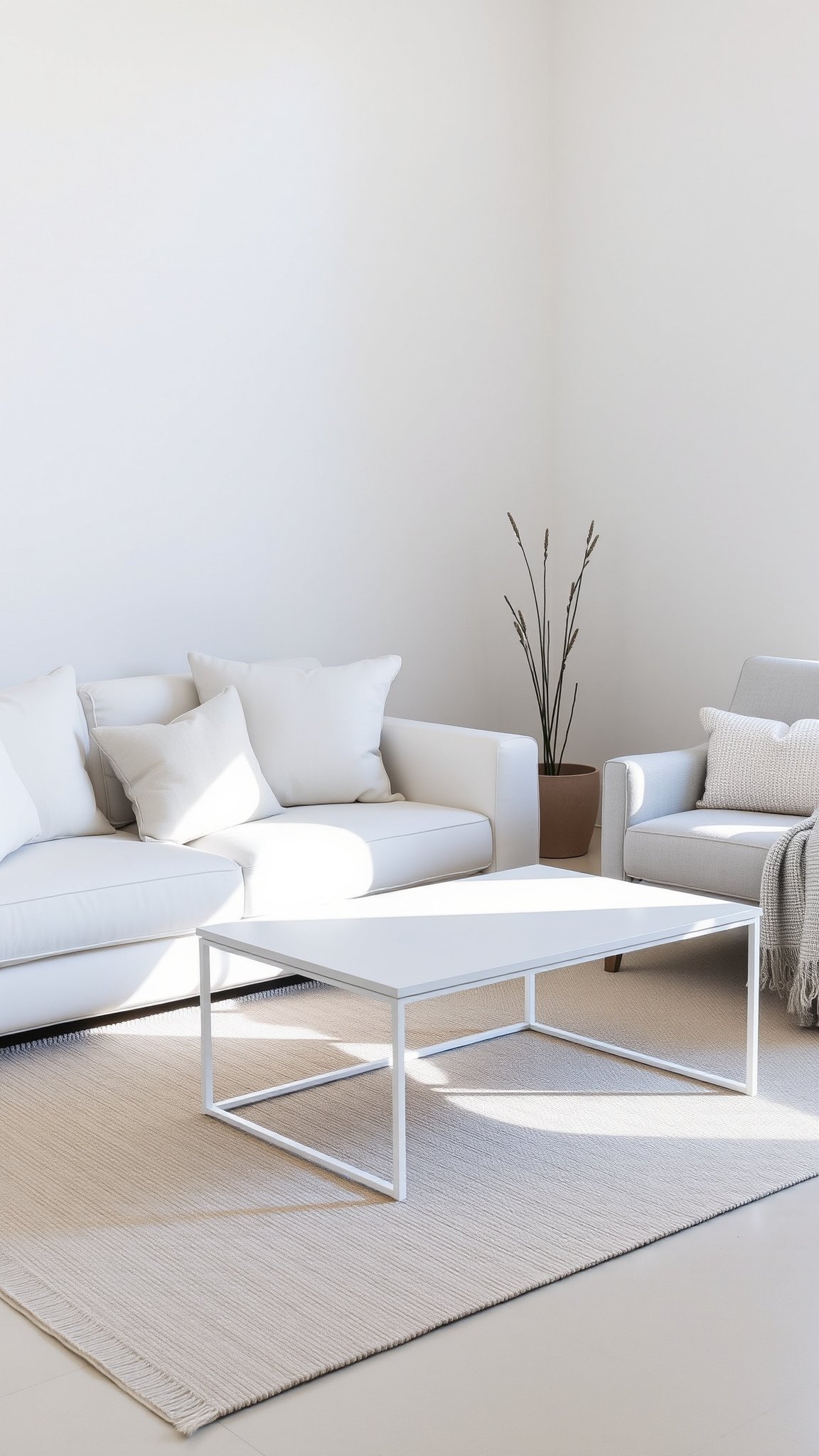
Neutral colors are the cornerstone of minimalist design. Shades like whites, beiges, and greys create a calming backdrop that allows furniture and decor to shine without overwhelming the space. When selecting furniture, opt for pieces that incorporate these tones. For example, a sleek white sofa paired with soft beige cushions can create a striking yet serene focal point.
Color Combinations for Impact
To add depth to a neutral palette, consider layering different shades. A pale grey accent chair next to a white coffee table can enhance the overall visual interest. Incorporate textures through materials like linen or wool to prevent the space from feeling flat. This technique not only keeps the design cohesive but also adds warmth and comfort.
Design 2: Choose Functional Furniture
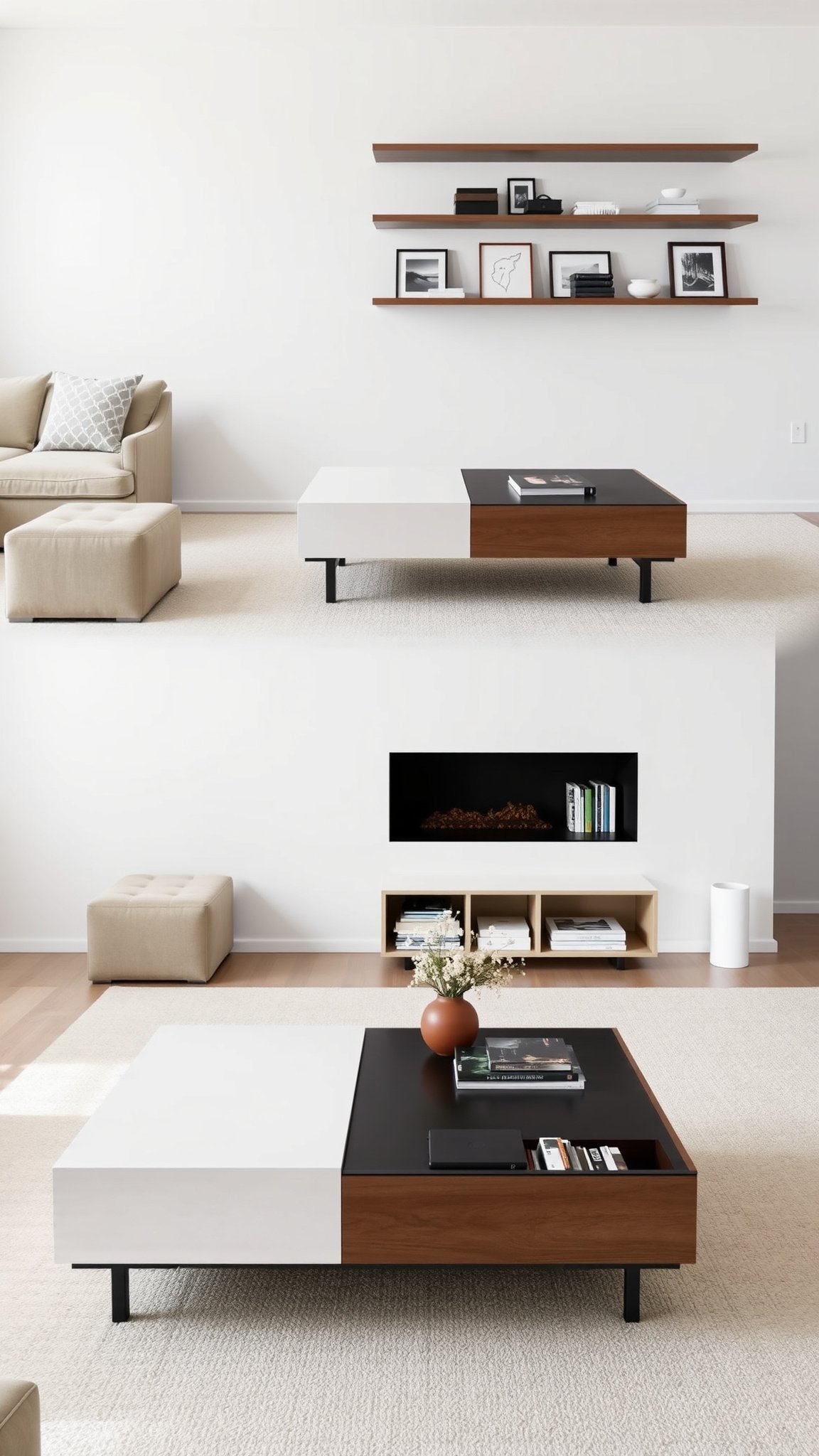
In minimalist styling, every piece of furniture should serve a purpose. Look for multifunctional items that maximize space without sacrificing style. For instance, a coffee table with built-in storage can keep clutter at bay while providing a sleek surface for decor.
Smart Storage Solutions
Consider using ottomans that double as seating and storage to minimize visual clutter. Wall-mounted shelves can display decor without taking up floor space. The key is to choose furniture that is both beautiful and practical, allowing you to maintain a clean, organized environment.
Design 3: Opt for Clean Lines and Simple Shapes
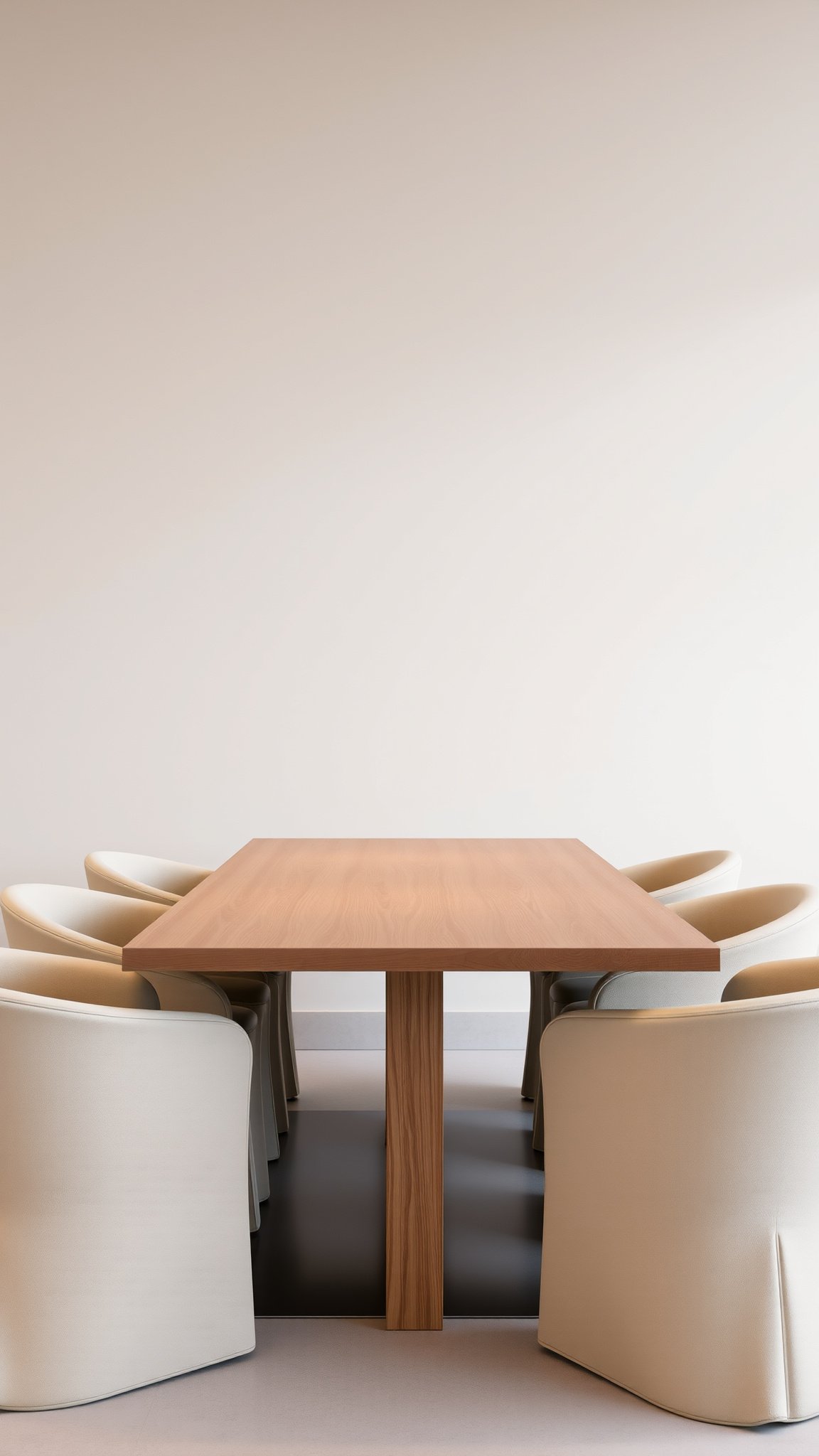
Minimalist design is characterized by clean lines and understated forms. When selecting furniture, look for pieces with geometric shapes and smooth surfaces. A rectangular dining table with straight edges can create a striking contrast against rounded chairs, enhancing the modern aesthetic.
Balance and Proportion
Maintaining balance is crucial in minimalist styling. Ensure that furniture proportions are harmonious within the room. A large sectional sofa can dominate a small space, while a compact, low-profile sofa allows for better flow and openness. This balance fosters a sense of tranquility and spaciousness.
Design 4: Incorporate Natural Elements
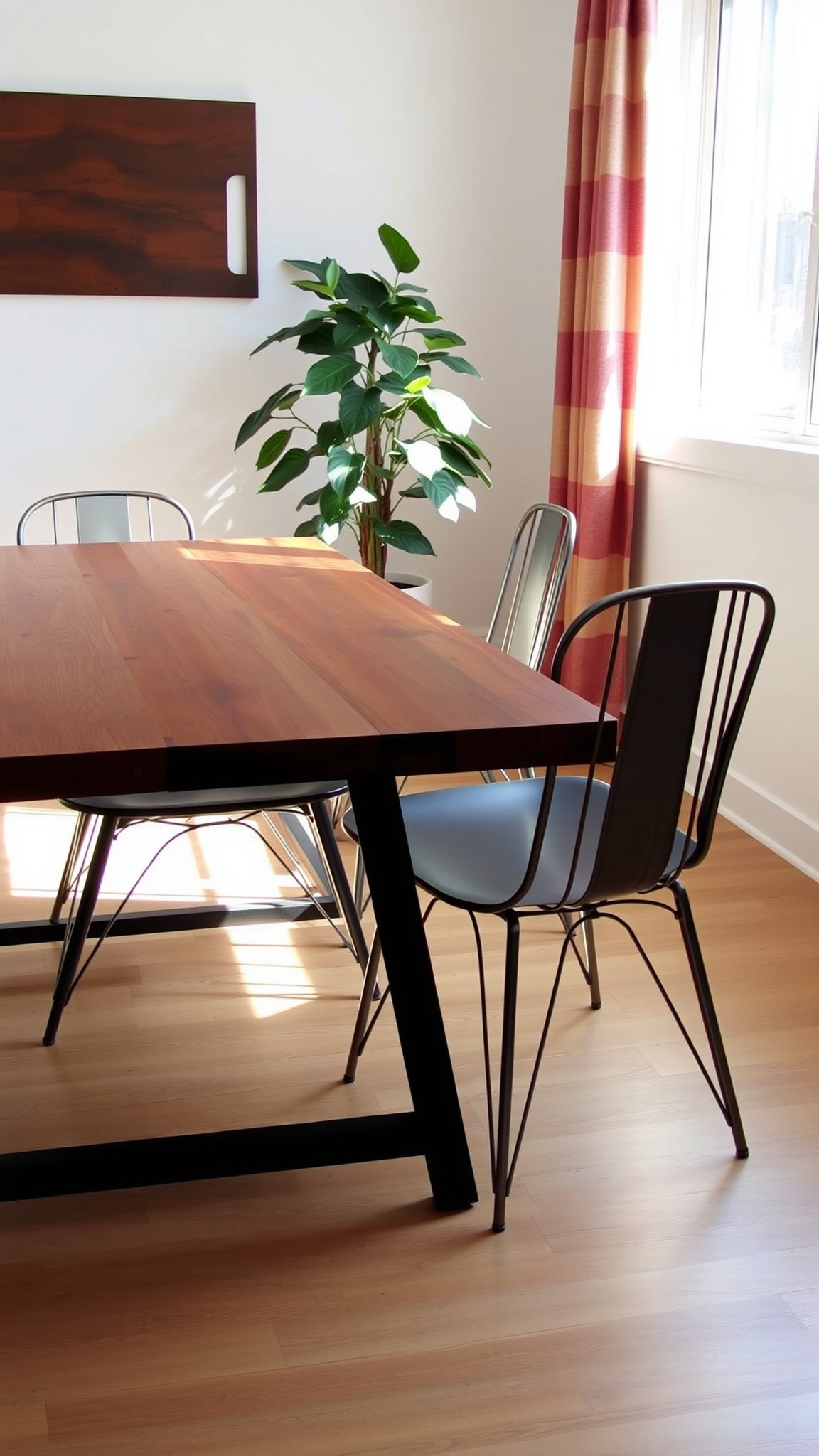
Bringing nature indoors can enhance the minimalist aesthetic. Natural materials like wood, stone, and plants add warmth and texture to a space. Consider a reclaimed wood dining table paired with metal chairs for a contemporary yet organic feel.
Adding Greenery
Incorporating indoor plants not only purifies the air but also adds a splash of color without cluttering the space. Choose simple planters that align with your minimalist vision. A single large plant in a corner can serve as a dramatic focal point without overwhelming the room.
Design 5: Limit Decorative Accessories
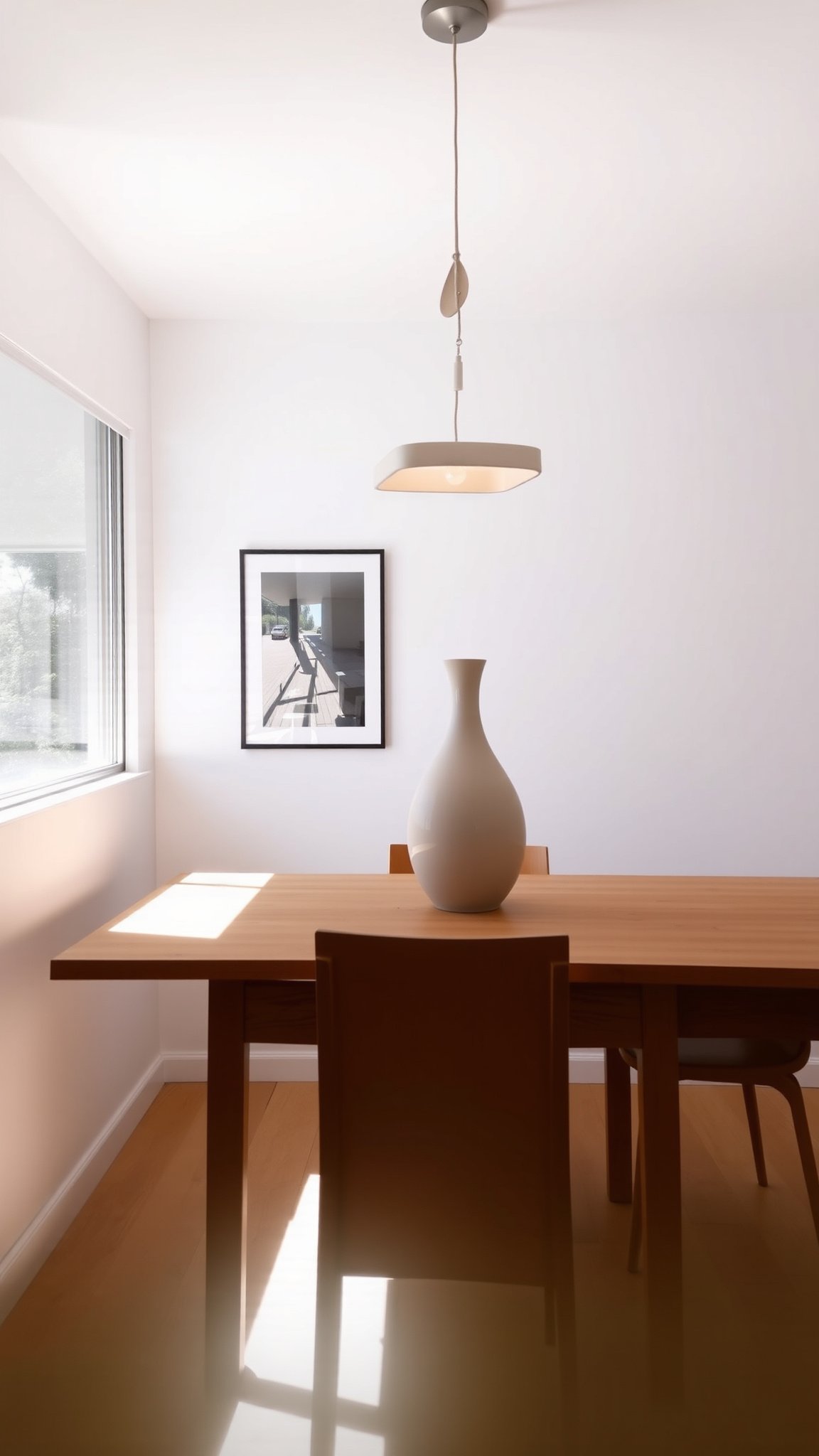
In minimalist styling, less is often more. Choose a few carefully curated decorative accessories that reflect your personal style. Instead of overcrowding surfaces with trinkets, select a statement piece, such as an oversized artwork or a sculptural vase, to draw attention.
Creating Focal Points
Use lighting to enhance your decor. A unique pendant light can serve as a stunning centerpiece in a dining area, while also providing functional illumination. By limiting accessories and focusing on impactful pieces, you can create a cohesive and inviting atmosphere that embodies the essence of minimalism.
Design 6: Prioritize Open Spaces
Creating an open layout is essential in minimalist styling. Avoid heavy furniture that obstructs pathways and reduces flow. Instead, choose lighter pieces that can be easily rearranged to maintain a sense of openness.
Flow and Movement
Arrange furniture to promote movement throughout the space. For example, a sofa facing a coffee table allows for easy conversation while keeping the area open. The goal is to create an environment where you can move freely, enhancing both comfort and functionality.
FAQs
What are the main principles of minimalist furniture styling?
The main principles include embracing neutral colors, choosing functional and multi-purpose furniture, using clean lines and simple shapes, incorporating natural elements, limiting decorative accessories, and prioritizing open spaces.
How can I make my small space feel minimalist?
To achieve a minimalist look in a small space, focus on selecting furniture that is appropriately sized for the area, utilize built-in storage solutions, and keep decor to a minimum. Opt for light colors to create an illusion of openness.
Can I mix different styles with minimalist furniture?
Yes, you can mix styles, but it’s essential to maintain the minimalist ethos by ensuring that additional elements do not overwhelm the space. Choose complementary pieces that align with the minimalist aesthetic.
Conclusion
Minimalist furniture styling is a transformative approach that enhances the beauty and functionality of modern homes. By focusing on neutral color palettes, functional designs, clean lines, natural elements, and open spaces, you can create a harmonious environment that promotes peace and comfort. Embracing these principles allows you to cultivate a stylish, uncluttered home that reflects your unique personality while remaining effortlessly chic.